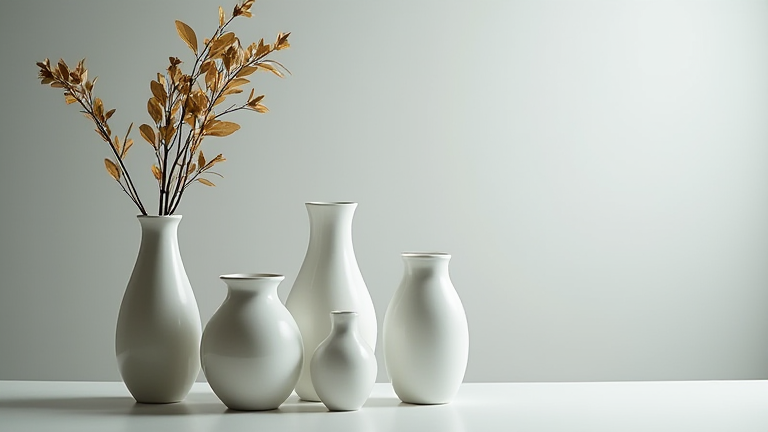
TL;DR: Porcelain vases are generally safe for home use when sourced from reputable manufacturers that adhere to strict lead and cadmium regulations. Always choose lead-free glazes and avoid using antique or unverified vases for food contact to ensure long-term health and wellness.
Understanding Porcelain Safety
Porcelain is a high-fired ceramic material prized for its translucency, strength, and elegant aesthetic. In the context of health and wellness, the primary concern regarding porcelain vases is not the clay itself, but the glazes applied to the surface. Historically, some glazes used bright, vivid colors that contained heavy metals like lead or cadmium to achieve their hues. While modern manufacturing standards have drastically reduced these risks, the distinction between contemporary and vintage pieces remains critical for your household’s safety. Scientific studies indicate that lead leaching occurs primarily when acidic substances come into contact with compromised glazes. Therefore, using a porcelain vase solely for decorative purposes, such as holding fresh flowers or dried botanicals, minimizes any potential risk. The material is non-porous and easy to clean, which supports hygiene by preventing the buildup of mold or bacteria when water is disposed of regularly. For a healthy home environment, ensure that your vases are labeled as “lead-free” or “food-safe” if you plan to use them for anything other than dry decor. This simple verification step aligns with preventive health practices, ensuring that the beauty of your home does not come at the cost of your physical well-being.
If you want to dig deeper, check out our guide on How to Care for Porcelain Vases: A Step-by-Step Cleaning & R.
Lifestyle Tips for Safe Use
Incorporating porcelain vases into your wellness routine can be both aesthetically pleasing and safe if you follow specific lifestyle tips. First, establish a routine for changing water in floral arrangements. Stagnant water is a breeding ground for bacteria and mosquitoes, which can negatively impact indoor air quality. Use distilled or filtered water when possible to prevent mineral deposits that might compromise the glaze over time. Second, inspect your vases regularly for cracks or chips. Any damage to the glaze can expose the underlying ceramic or lead-containing components to potential leaching. If you find a significant chip, discontinue using the item for holding liquids and switch it to dry plant displays. Third, be mindful of your sourcing habits. When shopping for new vases, prioritize brands that provide transparency regarding their supply chain and safety certifications. For antique collectors, consider having older pieces tested by a certified laboratory. The cost of testing is minimal compared to the long-term health benefits of avoiding heavy metal exposure. Additionally, place vases in well-ventilated areas to promote air circulation, which helps maintain a fresh and healthy living space. By combining these practical habits with informed purchasing decisions, you can enjoy the calming and decorative benefits of porcelain vases while safeguarding your family’s health. Remember that prevention is the cornerstone of wellness, and being proactive about the materials in your home is a smart, science-backed choice.
FAQ
Q: Can I use a porcelain vase as a drinking vessel?
A: Only if the manufacturer explicitly states that the glaze is lead-free and food-safe; otherwise, stick to decorative uses to avoid potential heavy metal exposure.
Q: Are antique porcelain vases dangerous to keep in the house?
A: They are generally safe for dry storage, but you should avoid using them for liquids unless they have been professionally tested for lead and cadmium content.
Q: How often should I clean my porcelain vases to prevent bacteria?
A: Wash them with warm, soapy water after every use, especially if they have held water or organic matter, and ensure they are fully dried before storing.
Leave a Reply