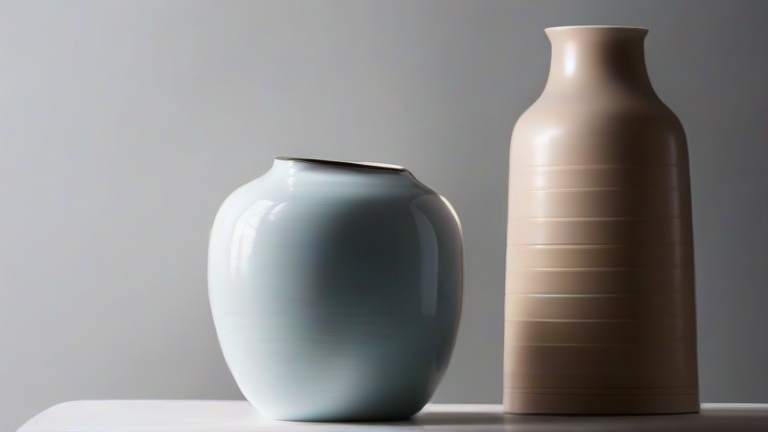
TL;DR: Porcelain vases themselves do not release harmful chemicals when properly fired, but their porous nature can trap dust and mold if not cleaned regularly. To maintain excellent indoor air quality, dust your collections weekly with a microfiber cloth and ensure proper ventilation to prevent the accumulation of particulate matter and allergens in your living space.
Understanding the Material
Porcelain is a ceramic material made by heating materials in a kiln to very high temperatures, typically around 1,200 to 1,400 degrees Celsius. This process vitrifies the clay, creating a dense, non-porous surface that is chemically stable. Unlike unglazed clay or lead-glazed pottery, modern high-quality porcelain does not leach heavy metals into the air or water. Therefore, the primary health concern regarding porcelain vases is not toxic off-gassing, but rather the environmental factors surrounding their storage and display. The aesthetic value of these items often leads to their placement in high-traffic areas or on surfaces that are difficult to clean, creating potential reservoirs for household dust.
If you want to dig deeper, check out our guide on Why Solid Wood Coffee Tables Are Trending Again.
The Dust and Mold Connection
While the porcelain itself is inert, the complex shapes of many vases create hard-to-reach crevices where dust mites, pollen, and pet dander can accumulate. If you keep fresh flowers in these vases, the stagnant water becomes a breeding ground for bacteria and mold spores. Mold spores are a significant trigger for asthma and allergic rhinitis. A study published in the Journal of Allergy and Clinical Immunology highlights that indoor mold exposure is directly correlated with increased respiratory symptoms in sensitive individuals. Therefore, a porcelain vase left with standing water for more than two days can become a significant source of indoor air quality degradation, regardless of the material’s chemical safety.
Scientifically Backed Maintenance Tips
To ensure your porcelain collection contributes to a healthy home environment, adopt a rigorous cleaning protocol. First, never leave standing water in a vase overnight. Change the water every twenty-four hours if holding flowers, and disinfect the interior with a mild vinegar solution weekly. Vinegar is a natural antimicrobial that effectively kills mold without introducing harsh chemical fumes into your home. Second, dust your vases using a dry microfiber cloth rather than a feather duster, which merely redistributes particles into the air. For intricate designs, use a soft-bristled brush to dislodge trapped particles before wiping. Regularly inspect the interior for biofilm or discoloration, which indicates bacterial growth. Finally, consider the placement of your vases. Avoid placing them near direct heat sources or in poorly ventilated rooms where air stagnation can amplify the concentration of airborne particles. By treating your porcelain vases as active components of your indoor ecosystem, you can enjoy their beauty without compromising your respiratory health.
FAQ
Q: Do porcelain vases release lead or cadmium?
A: Modern commercial porcelain is fired at high temperatures that lock any glaze components in place, making leaching virtually impossible under normal household conditions.
Q: How often should I deep clean a decorative vase?
A: You should deep clean non-functional decorative vases once a month to remove accumulated dust, and immediately if you notice any moisture or mold.
Q: Is it safe to use porous antique porcelain for drinking water?
A: It is not recommended to use antique or unglazed porcelain for drinking water, as older glazes may contain lead, and porous surfaces can harbor bacteria that are difficult to sanitize.
Leave a Reply