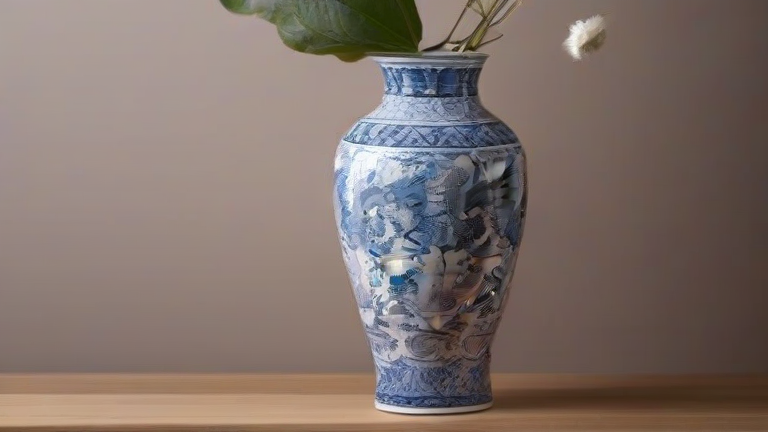
Porcelain Vase Tutorial: Step-by-Step Guide to Care & Repair
TL;DR: To maintain porcelain vases, clean them with mild soap and warm water, avoiding abrasive materials that can scratch the glaze. For minor chips, use clear epoxy designed for ceramics, applying it carefully to restore structural integrity and aesthetic appeal.
Essential Care Instructions
Proper care ensures your porcelain vase remains a stunning centerpiece for years. Begin by dusting the surface gently with a soft, dry microfiber cloth. This removes loose particles that could cause scratches during deeper cleaning. For regular maintenance, use lukewarm water and a few drops of pH-neutral dish soap. Dip a soft sponge into the solution, wring it out well, and wipe the vase gently. Always dry the vase immediately with a lint-free cloth to prevent water spots, which can be difficult to remove from glossy finishes. Avoid using harsh chemicals, bleach, or acidic cleaners like vinegar, as these can etch the glaze over time. If your vase has intricate patterns, use a soft-bristled paintbrush to clean recessed areas. Store vases in a stable location away from direct sunlight, which can cause colors to fade, and away from heat sources that might weaken the ceramic structure. Handle vases by the base rather than the neck to prevent tipping and breakage. Inspect the base regularly for hairline cracks, as moisture seeping into these fissures can lead to more extensive damage during temperature changes.
If you want to dig deeper, check out our guide on AirPods Pro 3: Top 5 Features Driving the New Audio Trend.
Repairing Minor Damage
Accidents happen, but small chips and cracks do not mean the end of your vase’s life. For tiny chips, clean the area thoroughly with isopropyl alcohol to remove oils and dust. Apply a small amount of clear, two-part epoxy resin specifically formulated for ceramics. Use a toothpick to spread the epoxy evenly into the chip. Allow it to cure completely according to the manufacturer’s instructions, usually 24 hours. Sand the cured epoxy lightly with very fine-grit sandpaper, such as 600-grit, to match the surrounding surface texture. Polish the area with a soft cloth until it blends seamlessly. For hairline cracks, the process is similar, but you may need to inject the epoxy slowly using a syringe to ensure full penetration. Do not attempt to repair large breaks or shatters at home; professional restoration is recommended for structural integrity. Regularly inspect repaired areas to ensure the bond remains strong. By following these careful steps, you can preserve the beauty and longevity of your porcelain collection. Consistent, gentle handling is the most effective repair strategy, preventing the need for interventions in the first place.
FAQ
Q: Can I put a porcelain vase in the dishwasher?
A: No, high heat and harsh detergents can damage the glaze and cause thermal shock, leading to cracks.
Q: What is the best glue for repairing porcelain?
A: Use a clear, two-part epoxy resin designed for ceramics, as standard super glue lacks the strength and clarity needed for durable repairs.
Q: How do I remove stubborn stains from porcelain?
A: Create a paste from baking soda and water, apply it gently, let it sit for ten minutes, then wipe clean with a damp cloth.
Leave a Reply