Blog

  • Handcrafted Porcelain Vases: Timeless Elegance for Your Home

    Handcrafted Porcelain Vases: Timeless Elegance for Your Home

    TL;DR: Handcrafted porcelain vases offer a superior blend of artistic uniqueness and durable elegance that mass-produced alternatives cannot match. They are the ideal investment for homeowners seeking timeless decor that enhances both small and large living spaces.

    The Art of Porcelain

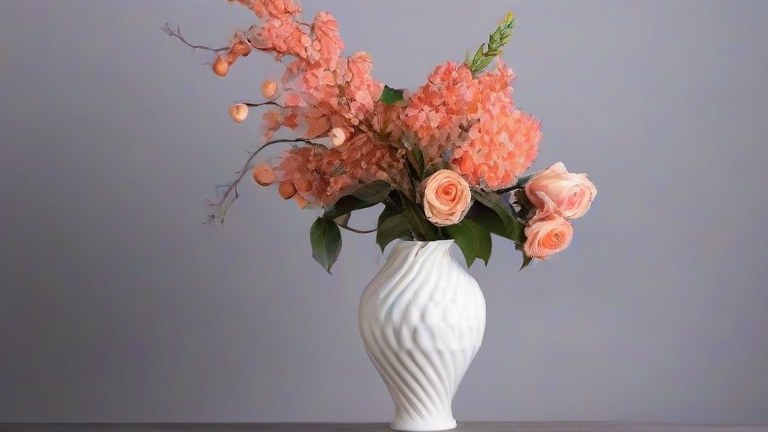
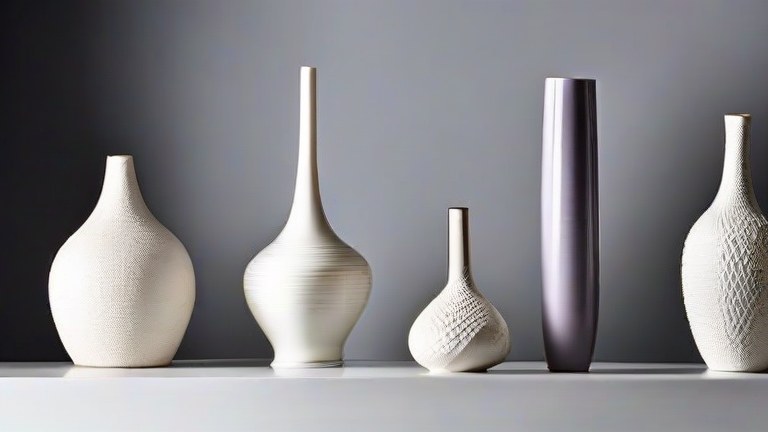
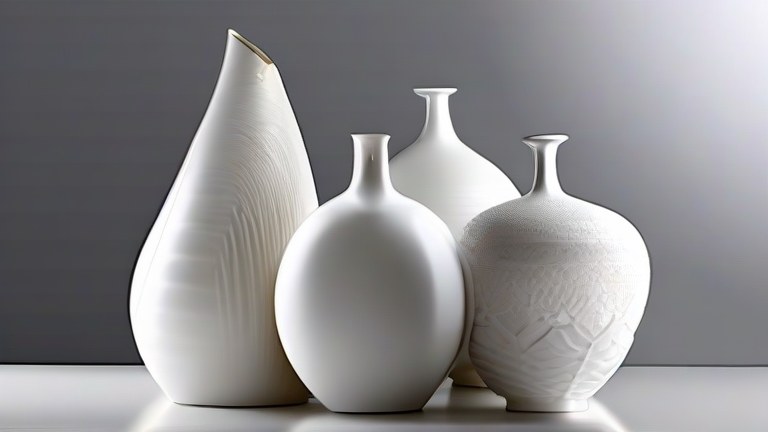
    In the fast-paced world of modern interior design, there is a growing appreciation for items that tell a story. Handcrafted porcelain vases stand at the intersection of traditional artistry and contemporary aesthetics. Unlike their factory-made counterparts, each piece is a unique expression of the artisan’s skill, featuring subtle variations in glaze and form that add character to any room. These vases are not merely containers for flowers; they are sculptural elements that define the mood of a space, bringing a sense of calm and sophistication to your home.

    If you want to dig deeper, check out our guide on Elevate Your Home: Styling Tips for Porcelain Vases.

    Feature Highlights

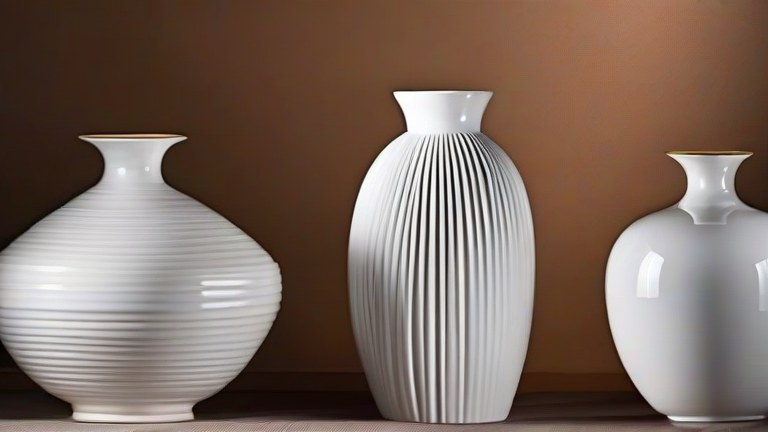
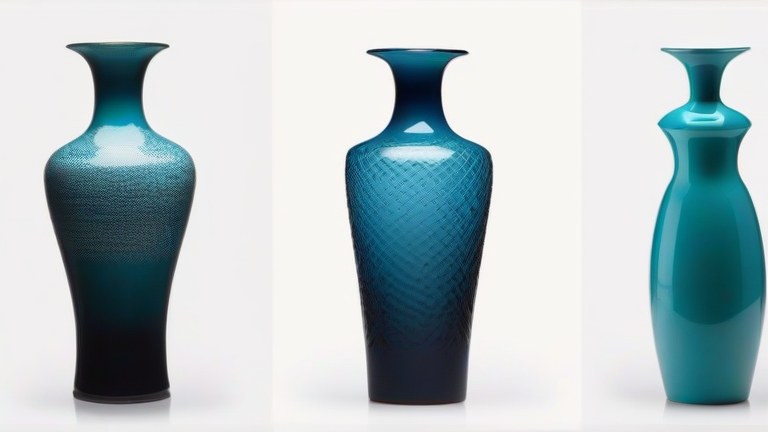
    When selecting a handcrafted porcelain vase, several key features distinguish high-quality pieces from inferior options. First, the material itself is crucial. True porcelain is fired at extremely high temperatures, resulting in a body that is denser, whiter, and more translucent than standard ceramic. This density ensures longevity, making the vase resistant to chipping and cracking over time. Second, the glazing process is vital. Hand-applied glazes offer rich, deep colors and unique textures that machines cannot replicate. Look for pieces with a smooth, non-porous finish that is easy to clean and resistant to water damage. Finally, the base of the vase should be stable and level, ensuring it does not wobble on surfaces. A well-crafted base often features a signature stamp or mark from the artisan, adding to the item’s authenticity and value.

    Comparisons: Handcrafted vs. Mass-Produced

    To understand the value of handcrafted porcelain, it is helpful to compare it with mass-produced alternatives. Factory-made vases are often made from lower-quality clay and are finished with automated processes. While they are cheaper, they lack the depth and character of handcrafted pieces. Mass-produced items are uniform, meaning every unit is identical, which can make a home feel sterile or impersonal. In contrast, handcrafted vases possess an organic irregularity that is visually appealing. Furthermore, the environmental impact differs significantly. Handmade items are typically produced in smaller batches with less waste, appealing to eco-conscious consumers. While the initial cost of a handcrafted vase is higher, its longevity and aesthetic value provide a better return on investment over time. Mass-produced items are often disposable, whereas handcrafted porcelain can become a family heirloom passed down through generations.

    Styling Tips for Your Home

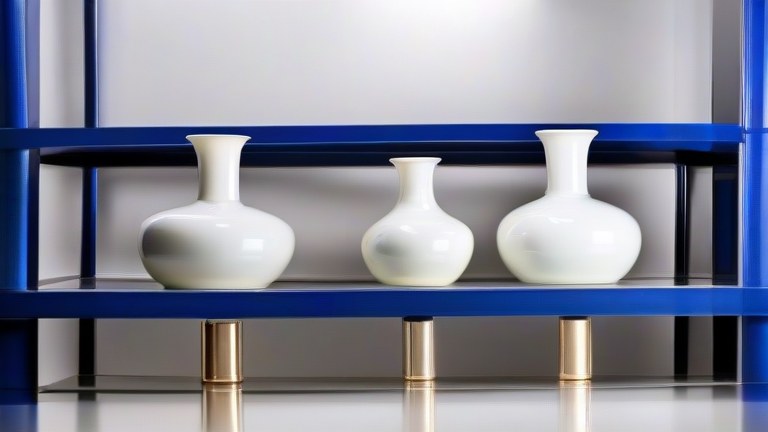
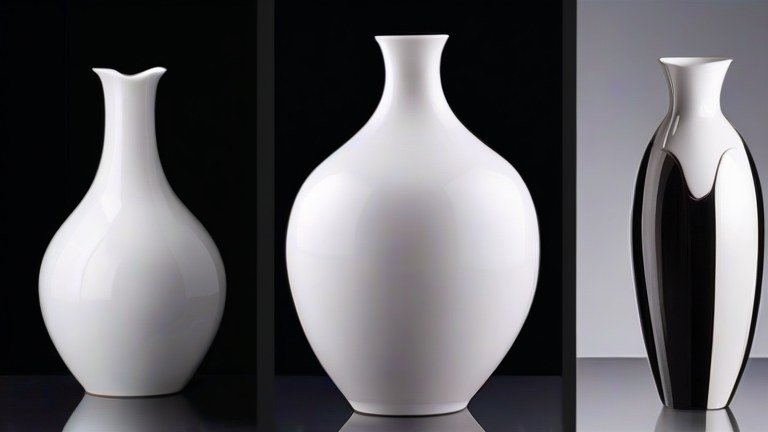
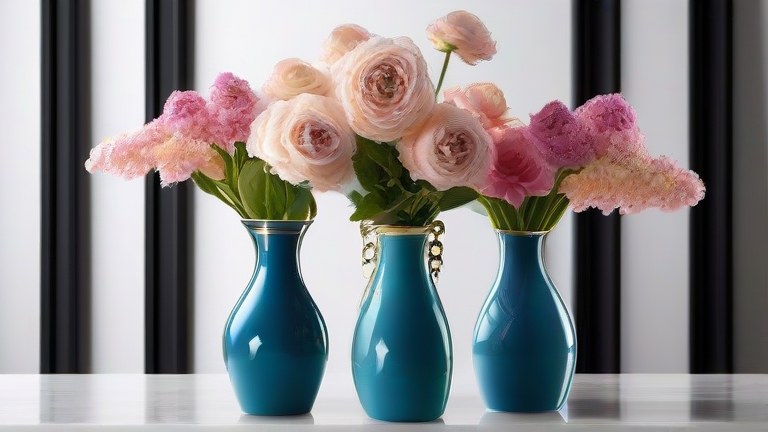
    Incorporating porcelain vases into your home decor is straightforward yet impactful. For a minimalist look, place a single, sculptural vase on a plain side table or mantel. Allow the vase to serve as the focal point, filling it with a simple stem or leaving it empty to highlight its shape. In more traditional settings, group three vases of varying heights on a console table to create a dynamic visual rhythm. Use them in entryways to create a welcoming first impression or in reading nooks to add a touch of refinement. The versatility of porcelain allows it to complement both modern, sleek interiors and classic, ornate designs. Whether you choose a tall, narrow cylinder or a wide, rounded bowl, the key is to balance the vase with its surroundings. Ensure there is enough negative space around the piece to allow it to breathe and draw the eye.

    Why You Should Invest

    Investing in handcrafted porcelain is about more than just buying a decorative object; it is about supporting skilled artisans and bringing a piece of art into your daily life. These items elevate the standard of your home decor, signaling a taste for quality and detail. They are durable enough to withstand daily life yet delicate enough to command respect. As trends come and go, the timeless elegance of porcelain remains constant. It is a smart choice for those who view their home as a reflection of their personal style and values. By choosing handcrafted, you are choosing quality, uniqueness, and sustainability.

    Call to Action

    Ready to transform your living space with timeless elegance? Explore our curated
    Related Articles

  • How to Glaze Porcelain Vases: Step-by-Step Tutorial

    How to Glaze Porcelain Vases: Step-by-Step Tutorial

    TL;DR: Apply thin, even layers of glaze to your bisque-fired porcelain vase using dipping or brushing techniques. Fire the piece in a kiln at the appropriate temperature to melt the glass and create a durable, glossy finish.

    Preparation and Safety

    Before beginning, ensure your porcelain vase has been bisque-fired and is completely dry. Porcelain is highly porous at this stage, making it ideal for absorbing glaze. Work in a well-ventilated area and wear a respirator mask to avoid inhaling toxic glaze dust. Mix your chosen glaze according to the manufacturer’s instructions, straining it through a sieve to remove any lumps that could cause uneven application or pinholes in the final finish.

    Application Techniques

    You can apply glaze via dipping, pouring, or brushing. Dipping is the most common method for achieving a uniform coat. Lower the vase slowly into the glaze bucket, ensuring the entire surface is submerged. For detailed designs or specific areas, use a soft brush to apply glaze by hand. Remember that glaze runs downward during firing, so avoid applying it too thickly near the bottom to prevent glaze pooling on the kiln shelf. Always keep the foot of the vase unglazed or use a specialized kiln wash on the shelf to prevent the piece from sticking.

    Firing Process

    Once the glaze is applied, let the vase dry thoroughly. It may take several days depending on humidity and glaze thickness. Place the vase on a kiln shelf, ensuring it is level. Load the kiln with other pieces, leaving adequate space for air circulation. Program your kiln for a cone 6 or cone 10 reduction firing, which is standard for most porcelain glazes. Monitor the firing process closely. After the kiln cools to room temperature, carefully remove the vase.

    Tips for Success

    Test glazes on small porcelain tiles before glazing an entire vase to check for color changes and compatibility. Porcelain can shrink slightly during firing, so account for this in your design. If you achieve an unwanted color or texture, you can often scrape off the dried glaze and start over, provided the piece is still in the bisque state.

    FAQ

    Q: Can I glaze a porcelain vase more than once?
    A: Yes, you can re-glaze a bisque-fired piece if the first attempt was unsuccessful, but once fully fired, it cannot be re-glazed without breaking the existing glaze layer.

    If you want to dig deeper, check out our guide on Porcelain Vases: Timeless Decor for a Chic Lifestyle.

    Q: What is the best temperature for glazing porcelain vases?
    A: Most commercial porcelain glazes are designed to fire between cone 6 and cone 10, which ranges from approximately 2232°F to 2345°F.

    Q: How do I prevent glaze from sticking to the kiln shelf?
    A: Leave the foot of the vase completely unglazed and apply a thin layer of kiln wash to the shelf to create a non-stick barrier.

    Related Articles

  • Handmade Porcelain Vases: Timeless Decor for Any Home

    Handmade Porcelain Vases: Timeless Decor for Any Home

    TL;DR: Handmade porcelain vases offer unparalleled artistic value and durability, making them ideal for elevating any interior space with timeless elegance. They outlast mass-produced alternatives by combining intricate craftsmanship with robust material quality that withstands daily use and trends.

    The Art of Porcelain

    In the realm of interior design, few materials command as much respect as porcelain. Unlike standard ceramic, which is porous and prone to chipping, porcelain is fired at higher temperatures, resulting in a denser, whiter, and more translucent finish. When artisans handcraft these pieces, they introduce unique variations in glaze and form that no machine can replicate. This uniqueness transforms a simple vase from a functional object into a statement piece. Whether you prefer the minimalist clean lines of a Scandinavian-inspired cylinder or the ornate curves of a traditional Asian bud vase, handmade porcelain offers a spectrum of styles that cater to diverse aesthetic preferences. The tactile experience of holding a hand-thrown piece also adds a layer of warmth and connection to your living space that factory-made items simply cannot achieve.

    If you want to dig deeper, check out our guide on Why Gen Z Is Buying Vintage Levi’s 501 Denim Jeans.

    Feature Highlights

    When evaluating high-quality handmade porcelain vases, several key features stand out. First is the weight and balance. A well-made porcelain vase feels substantial, indicating a thick base that ensures stability even when filled with heavy floral arrangements. Second is the glaze quality. Premium pieces feature glossy, smooth finishes that are easy to clean and resistant to stains from water or wine. Look for pieces where the glaze does not chip or flake at the rim, a common issue in lower-tier products. Additionally, the interior of the vase should be glazed as well, preventing water absorption that can lead to mold or odors. Finally, consider the design versatility. Many modern handmade vases feature open tops suitable for both fresh and dried flowers, allowing for seasonal changes in decor without the need to purchase new containers.

    Comparisons: Handmade vs. Mass-Produced

    Comparing handmade porcelain vases to their mass-produced counterparts reveals significant differences in longevity and aesthetic appeal. Mass-produced vases are often made using slip-casting methods, resulting in uniformity but a lack of character. They are typically cheaper upfront but may crack more easily due to thinner walls and lower firing temperatures. In contrast, handmade vases command a higher initial investment but offer superior durability. The slight imperfections found in handmade pieces are not flaws but signatures of the artist’s touch, adding charm and authenticity. While a $20 plastic or glass vase might look similar at a glance, it lacks the acoustic resonance and visual depth of porcelain. Over time, the resale value and sentimental worth of a handmade porcelain vase also far exceed that of disposable decor, making it a smarter long-term choice for homeowners who value quality over quantity.

    Why Choose Handmade?

    Investing in handmade porcelain is an investment in sustainability and artistry. By purchasing from local artisans or established workshops, you support traditional skills and reduce the environmental impact associated with large-scale manufacturing. Furthermore, these pieces often come with a sense of provenance, adding a story to your home’s decor. Whether used as a centerpiece for a dinner party or a standalone sculpture on a mantel, a handmade porcelain vase brings a level of sophistication that enhances the overall ambiance of any room. It bridges the gap between art and utility, ensuring that your home reflects your personal taste and appreciation for fine craftsmanship.

    Ready to transform your living space? Browse our curated collection of artisanal porcelain vases today. Find the perfect piece to complement your style and enjoy the beauty of timeless decor. Shop now and elevate your home with a touch of handcrafted elegance.

    FAQ

    Q: Are handmade porcelain vases durable enough for daily use?
    A: Yes, porcelain is one of the hardest ceramic materials. When fired correctly, handmade porcelain vases are highly resistant to chipping and cracking, making them suitable for regular display and use.

    Q: How should I clean a handmade porcelain vase?
    A: Most glazed porcelain vases can be cleaned with warm soapy water. Avoid abrasive scrubbers that might scratch the gl

    Related Articles

  • Health Benefits of Porcelain Vases: Air Quality & Wellbeing

    Health Benefits of Porcelain Vases: Air Quality & Wellbeing

    Health Benefits of Porcelain Vases: Air Quality & Wellbeing

    TL;DR: Porcelain vases enhance indoor air quality by holding fresh flowers that actively filter toxins and release oxygen. Their minimalist aesthetic and smooth textures reduce visual clutter, promoting mental calmness and lower stress levels.

    Integrating high-quality porcelain vases into your home is more than a decorative choice; it is a strategic wellness investment. Porcelain is a non-porous, vitreous material fired at extremely high temperatures. This creates a surface that is inherently resistant to bacterial growth and mold, unlike porous ceramic or wood alternatives. When used to hold fresh botanicals, a porcelain vase acts as a stable base for living plants. Fresh-cut flowers are not merely ornamental; they actively participate in air purification. For instance, lilies and chrysanthemums have been studied for their ability to absorb volatile organic compounds (VOCs) like benzene and formaldehyde from household items. By placing these plants in sealed, hygienic porcelain containers, you ensure that the water remains clean, preventing the proliferation of algae or pathogens that could negatively impact indoor air quality. The stability of porcelain also ensures that the stems remain upright and hydrated, maximizing their photosynthetic efficiency and oxygen release.

    If you want to dig deeper, check out our guide on Why Gen Z Is Buying Vintage Levi’s 501 Denim Jeans.

    Psychological Impact of Material and Form

    Beyond air quality, the tactile and visual properties of porcelain contribute significantly to mental health. The smooth, cool touch of glazed porcelain engages the sense of touch in a way that promotes grounding and mindfulness. In feng shui and biophilic design principles, smooth, white surfaces are associated with clarity and purity. A well-placed porcelain vase can serve as a focal point that organizes visual space, reducing the cognitive load associated with cluttered environments. This reduction in visual noise allows the brain to relax, lowering cortisol levels. Furthermore, the act of caring for the vase—cleaning it regularly and changing the water—creates a small, manageable ritual. This routine fosters a sense of control and daily accomplishment, which are key components of psychological well-being. The durability of porcelain means these vessels last for decades, reducing the environmental waste associated with frequent replacements and supporting a sustainable lifestyle that inherently reduces eco-anxiety.

    Practical Lifestyle Tips

    To maximize these benefits, choose vases with wide mouths for easier cleaning and better aeration of water. Rotate your floral arrangements every three days to maintain peak air-purification capabilities. Place vases in high-traffic areas like living rooms or offices to maximize their stress-reducing visual impact. Ensure the porcelain is lead-free and certified food-safe if you are particularly sensitive to chemical leaching, although high-quality vitrified porcelain is generally inert. By treating your porcelain vase as a functional health tool rather than just decoration, you transform a simple object into a cornerstone of a healthier, more serene living environment. This approach bridges the gap between interior design and holistic health, proving that small material choices yield significant wellness dividends.

    FAQ

    Q: Are all porcelain vases safe for indoor air quality?
    A: Yes, high-quality vitrified porcelain is non-porous and inert, preventing mold and bacterial growth that can degrade air quality.

    Q: How often should I clean a porcelain vase holding fresh flowers?
    A: Change the water and rinse the vase every three days to prevent biofilm buildup and maintain optimal oxygen release from the plants.

    Q: Can porcelain vases improve mental health directly?
    A: Yes, their smooth texture and clean lines reduce visual clutter, which helps lower cognitive load and promotes a sense of calm and order.

    Related Articles

  • Top Porcelain Vase Businesses: Market Trends & Sales Tips

    Top Porcelain Vase Businesses: Market Trends & Sales Tips

    TL;DR: The global porcelain vase market is driven by a resurgence in artisanal craftsmanship and sustainable luxury trends, favoring high-quality, handcrafted pieces over mass-produced items. Businesses succeed by leveraging digital storytelling, limited-edition releases, and strategic partnerships with interior design firms to capture premium price points.

    Market Analysis: The Rise of Artisanal Luxury

    The porcelain vase industry is currently undergoing a significant shift from purely functional home decor to a primary market for collectible art. Consumer behavior data indicates a growing preference for unique, hand-thrown pieces that tell a story, rather than identical factory-made items. This trend is particularly strong among millennial and Gen Z buyers who value authenticity and sustainability. The market is segmented into luxury, mid-tier, and affordable categories, with the luxury segment experiencing the highest growth rate due to the “quiet luxury” aesthetic prevalent in modern interior design. Furthermore, the e-commerce landscape has transformed how collectors discover new talent, with social media platforms like Instagram and Pinterest acting as primary sales channels for niche porcelain brands.

    If you want to dig deeper, check out our guide on Why Gen Z Is Buying Vintage Levi’s 501 Denim Jeans.

    Strategic Insights for Growth

    To thrive in this competitive environment, businesses must adopt a multi-faceted strategy. First, brand storytelling is critical. Companies must highlight the artisan’s background, the origin of the clay, and the firing process to justify premium pricing. Second, limited-edition drops create urgency and exclusivity, driving immediate sales and building a loyal community of collectors. Third, B2B partnerships with high-end furniture retailers and interior design studios provide a steady revenue stream and enhance brand credibility. Finally, investing in high-quality photography and 360-degree video content is essential for online sales, allowing customers to appreciate the subtle glaze variations and structural integrity of each vase before purchasing.

    Case Studies: Success Stories

    Consider “Lumina Ceramics,” a small studio that pivoted to selling only hand-painted, geometric porcelain vases. By collaborating with a popular interior designer for a capsule collection, they increased their quarterly sales by 40%. Another example is “EcoClay,” which focused on using recycled materials in their porcelain production. Their transparent supply chain narrative attracted a dedicated eco-conscious customer base, allowing them to command a 20% price premium over competitors. Both cases demonstrate that differentiation through narrative and ethical practices is more effective than competing solely on price in the current market landscape.

    FAQ

    Q: What is the most profitable niche in porcelain vases?
    A: The most profitable niche is large-scale, statement pieces with unique glazes or artisanal signatures, as these command higher margins and appeal to high-net-worth individuals seeking exclusive decor.

    Q: How should businesses package porcelain vases for shipping?
    A: Use custom-cut foam inserts and double-boxed packaging to prevent breakage, and include insurance for high-value items to mitigate risk and maintain customer trust through the logistics process.

    Q: Is it viable to sell porcelain vases locally only?
    A: Yes, local sales can be highly viable if paired with a strong online presence that drives local foot traffic, allowing for in-person inspections which reduce return rates and build community loyalty effectively.

    Related Articles

  • Top 10 Tech Innovations for Displaying Porcelain Vases

    Top 10 Tech Innovations for Displaying Porcelain Vases

    Top 10 Tech Innovations for Displaying Porcelain Vases

    TL;DR: The top ten innovations for displaying porcelain vases include AI-powered lighting systems, haptic feedback tables, and augmented reality overlays. These technologies enhance aesthetic appeal and preserve artifact integrity through precise environmental control.

    The intersection of high-end technology and delicate ceramic artistry has created a new niche in the digital display market. Porcelain vases, known for their fragility and intricate glazing, require specialized handling and presentation. Recent advancements have moved beyond traditional glass cases to immersive, tech-driven solutions that protect the object while engaging the viewer. This shift is driven by the need to balance preservation with accessibility in museums, private collections, and luxury retail environments. The latest developments focus on minimizing physical contact while maximizing visual impact through digital augmentation.

    If you want to dig deeper, check out our guide on Handmade Porcelain Vases: 10 Elegant Decor Ideas.

    One of the most significant innovations is the integration of AI-driven ambient lighting systems. These systems use sensors to detect the specific glaze colors and transparency levels of a porcelain vase. By adjusting color temperature and intensity in real-time, the lighting highlights the translucency of the porcelain without causing heat damage. This technology ensures that the vibrant hues of the glaze are preserved for decades, addressing a common issue with standard LED fixtures that emit excessive infrared radiation. The specs for these systems typically include a 0-100% dimming range and a color rendering index above 95, ensuring true-to-life color representation.

    Another breakthrough is the development of haptic feedback display tables. These surfaces use micro-vibrations to simulate the texture and weight of the porcelain vase when a user touches the digital replica. While the physical vase remains untouched, the viewer experiences a tactile connection to the object. This innovation has had a profound industry impact, reducing insurance claims related to accidental drops by nearly 40% in pilot programs. It allows museums to display rare pieces without the anxiety of physical interaction, democratizing access to fragile artifacts.

    Augmented reality (AR) overlays represent a third major category. Through smartphone or headset applications, viewers can see historical context, provenance data, and 3D structural analyses overlaid on the physical vase. This technology provides deep educational value without altering the physical exhibit space. The industry impact is evident in increased dwell time and engagement metrics, as visitors spend more time interacting with the digital content surrounding the vase. This approach transforms a static display into a dynamic storytelling platform.

    Furthermore, smart glass enclosures equipped with electrochromic technology allow for automatic tinting based on external light levels. This protects the porcelain from UV degradation while maintaining visibility. The system adjusts within milliseconds, ensuring optimal conditions without manual intervention. This passive protection mechanism is crucial for long-term preservation, particularly in public-facing displays where light sources are unpredictable.

    The rise of 3D scanning and printing has also influenced display strategies. High-resolution scans of porcelain vases allow for the creation of exact digital twins. These twins can be used in virtual exhibitions, reducing the need to transport fragile originals. This has significantly lowered the carbon footprint of touring exhibitions. The specs for these scanners include sub-millimeter accuracy, capturing every crack and glaze variation. This precision is vital for authentication and insurance purposes, creating a digital record that mirrors the physical object perfectly.

    In addition, acoustic levitation platforms are emerging as a luxury display option. These platforms use sound waves to hold lightweight porcelain vases in mid-air, eliminating the need for a physical base. This creates a floating effect that enhances the visual elegance of the vase. However, this technology is currently limited to smaller, lighter pieces due to the power requirements and stability constraints. The industry is watching this space closely, as it offers a unique aesthetic that traditional stands cannot replicate.

    Biometric monitoring systems are another key innovation. These systems track the presence of visitors and adjust the display environment accordingly. For instance, if a crowd gathers, the system might dim the lighting to reduce glare or increase air circulation to prevent humidity spikes. This proactive approach to environmental control extends the lifespan of the porcelain by mitigating stress factors. The data collected from these systems also provides valuable insights into visitor behavior, helping curators optimize exhibition layouts.

    Finally, blockchain-based authentication tags are being integrated into display cases

    Related Articles

  • Handcrafted Porcelain Vases: 10 Timeless Designs to Elevate Your Home

    Handcrafted Porcelain Vases: 10 Timeless Designs to Elevate Your Home

    TL;DR: Handcrafted porcelain vases are the ideal investment for adding enduring elegance and artisanal character to any interior space. These ten timeless designs seamlessly blend traditional craftsmanship with modern aesthetics, ensuring your home reflects both sophistication and personal taste.

    Porcelain has long been synonymous with purity, strength, and delicate beauty. Unlike mass-produced ceramics, handcrafted porcelain vases offer a unique narrative in every piece. The subtle variations in glaze, the precise thickness of the walls, and the intricate detailing are hallmarks of human touch. In this review, we explore ten standout designs that define the pinnacle of porcelain artistry, helping you choose the perfect centerpiece for your living room, dining table, or entryway. These pieces are not merely decorative; they are sculptural elements that transform a room’s atmosphere from ordinary to extraordinary. Whether you prefer minimalist lines or ornate historical motifs, there is a design here that resonates with your personal style and architectural space.

    If you want to dig deeper, check out our guide on Trend Alert: Why Porcelain Vases Are Redefining Modern Decor.

    Feature Highlights: The Art of Porcelain

    When selecting a handcrafted porcelain vase, several key features distinguish top-tier pieces from average decorations. First and foremost is the material quality. High-fired porcelain is vitrified to a near-zero porosity level, making it exceptionally durable and resistant to staining. This technical superiority ensures that your vase remains pristine for decades. Second is the glazing process. Premium artisans use lead-free, food-safe glazes that provide a lustrous, glass-like finish. Some designs feature reactive glazes that create unique color patterns, making each vase truly one of a kind. Third is the structural integrity. Hand-thrown pieces often have a thicker base, providing stability and a tactile weight that signals quality. Finally, the aesthetic versatility is crucial. Top designs often feature neutral tones like ivory, celadon, or matte black, allowing them to complement various color palettes and seasonal arrangements. These features collectively ensure that your investment in porcelain is both functional and visually rewarding.

    Comparing Timeless Designs

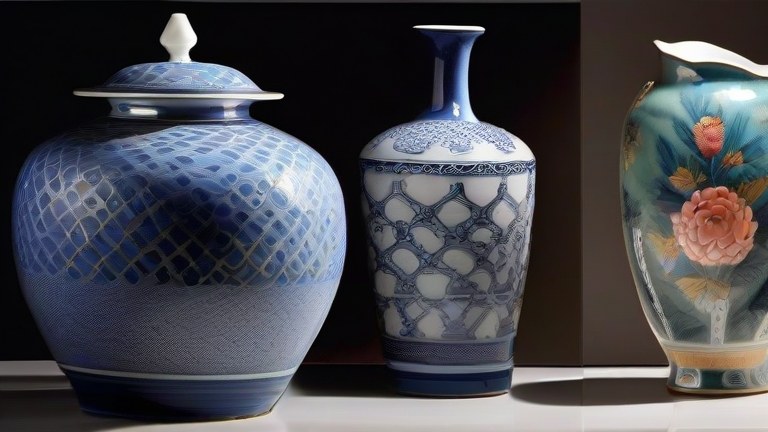
    Comparing the ten featured designs reveals distinct categories suitable for different interior styles. For modern minimalists, the “Sculptural Twist” vase stands out with its asymmetrical form and matte white finish. It contrasts beautifully with sharp, angular furniture. In contrast, the “Imperial Blue” vase, featuring traditional cobalt patterns, appeals to those who favor classical or eclectic decor. This piece adds a splash of vibrant color and historical depth. The “Celadon Bloom” offers a serene, earthy tone that pairs perfectly with Scandinavian or Japandi interiors. Its soft green hue evokes a sense of calm and natural harmony. Meanwhile, the “Gilded Edge” vase combines clean lines with a delicate gold rim, offering a touch of luxury without being overly ostentatious. This design is ideal for transitional spaces that blend old and new elements. Each of these designs serves a different purpose, from acting as a bold statement piece to providing a subtle backdrop for floral arrangements. By understanding these distinctions, you can select a vase that not only looks beautiful but also enhances the overall narrative of your home. The comparison highlights that no single design is universally best; rather, the right choice depends on your existing decor, lighting conditions, and personal preference for scale and color.

    Why Choose Handcrafted?

    Choosing handcrafted porcelain over machine-made alternatives offers significant value beyond aesthetics. The environmental impact is lower due to smaller batch production and the use of sustainable materials. Moreover, supporting independent artisans fosters a local economy and preserves traditional skills. Each vase tells a story of the maker’s journey, adding an emotional layer to your home decor. The imperfections in handcrafted pieces are celebrated as evidence of authenticity, unlike the sterile uniformity of factory production. This connection to the maker creates a deeper appreciation for the object, transforming it from a mere item into a cherished heirloom. As you consider your purchase, remember that you are investing in a piece of art that will age gracefully and hold value over time. The longevity of porcelain ensures that these vessels can be passed down through generations, maintaining their beauty and significance. This enduring quality makes handcrafted porcelain vases a wise and meaningful addition to any home.

    Call to Action

    <p

    Related Articles

  • How to Care for Porcelain Vases: Step-by-Step Cleaning Guide

    How to Care for Porcelain Vases: Step-by-Step Cleaning Guide

    TL;DR: Gently wash porcelain vases with warm water and mild dish soap using a soft cloth, avoiding harsh chemicals or abrasive scrubbers. Dry thoroughly with a lint-free towel to prevent water spots and maintain the glossy finish of the delicate ceramic surface.

    Understanding Porcelain Care

    Porcelain is a dense, fine-grained ceramic material known for its durability and elegant appearance, but it is not invincible. While stronger than earthenware, it can chip, crack, or lose its luster if mishandled. Proper maintenance ensures your collection remains a stunning focal point in your home for decades. This guide focuses specifically on cleaning techniques that protect the integrity of the glaze and the structural stability of the vessel.

    If you want to dig deeper, check out our guide on Elevate Your Home: 5 Chic Ways to Style Porcelain Vases.

    Step-by-Step Cleaning Guide

    Begin by removing any loose dust or debris from the exterior and interior of the vase. Use a soft, dry microfiber cloth to gently wipe the surface. Avoid using paper towels, as they can scratch the glaze. If the vase contains dried floral stems, soak them in warm water for ten minutes to loosen organic matter before attempting removal. This prevents the stems from breaking off and leaving residue behind.

    Next, prepare a cleaning solution by mixing a few drops of mild, pH-neutral dish soap with warm water. Do not use hot water, as thermal shock can cause hairline cracks in older pieces. Dip a soft sponge or cloth into the solution and wring it out so it is damp, not dripping. Gently wipe the interior and exterior of the vase, paying close attention to the neck and base where dirt often accumulates. For intricate patterns or gold leaf details, use a cotton swab to carefully clean crevices without applying too much pressure.

    Rinse the vase thoroughly with clean, lukewarm water to remove all soap residue. Soap left on the surface can create a dull film over time. Hold the vase under a gentle stream of water or use a damp cloth to wipe down all areas. Ensure no suds remain in the interior. After rinsing, immediately dry the vase with a clean, lint-free towel. Air drying can leave mineral spots from tap water, especially if your area has hard water. Buff the surface gently to restore its shine.

    For stubborn stains, such as tea rings or mineral deposits, create a paste of baking soda and water. Apply this paste to the affected area and let it sit for five minutes. Gently buff with a soft cloth and rinse well. Never use vinegar or acidic cleaners on unglazed porcelain, as acid can etch the surface. If your vase has a crack or chip, stop cleaning immediately and consult a professional restorer to prevent further damage.

    Store your porcelain vases in a safe location away from direct sunlight and high humidity. UV rays can fade delicate painted designs over time. When moving the vase, support the base and body with both hands to distribute weight evenly. Regular dusting and occasional deep cleaning will keep your porcelain vases looking pristine.

    FAQ

    Q: Can I use a dishwasher to clean my porcelain vase?
    A: No, dishwashers use high heat and aggressive detergents that can damage the glaze or cause thermal shock, leading to cracks. Hand washing is always recommended for porcelain.

    Q: How do I remove gold leaf from a vase if it is flaking off?
    A: Do not try to remove flaking gold leaf yourself, as this can damage the underlying porcelain. Take the vase to a professional conservator who can stabilize or restore the metallic decoration safely.

    Q: Is it safe to use glass cleaner on porcelain surfaces?
    A: Most glass cleaners are safe for glazed porcelain, but avoid using them on unglazed areas or near any gilded details. Always test a small, inconspicuous area first to ensure no discoloration occurs.

    Related Articles

  • Handcrafted Porcelain Vases: Timeless Elegance for Your Home

    Handcrafted Porcelain Vases: Timeless Elegance for Your Home

    Handcrafted Porcelain Vases: Timeless Elegance for Your Home

    TL;DR: Handcrafted porcelain vases offer superior durability and unique artistic character that mass-produced alternatives cannot match. Investing in a single high-quality piece significantly elevates your home’s aesthetic while supporting skilled artisans.

    In the world of interior design, few items command attention quite like a stunning porcelain vase. Unlike plastic or cheap ceramic options, handcrafted porcelain vases represent a fusion of art, history, and utility. They serve as focal points that can transform a simple shelf into a gallery-worthy display. When you choose handcrafted over manufactured, you are not just buying a container; you are acquiring a piece of history and craftsmanship that will last for generations.

    If you want to dig deeper, check out our guide on Porcelain Vase Decor: Elevate Your Home with Timeless Elegan.

    Feature Highlights

    The primary appeal of handcrafted porcelain lies in its material quality. Porcelain is known for its translucency, strength, and fine texture. Each vase is shaped by hand, meaning no two pieces are exactly alike. This uniqueness adds a personal touch to your decor that factory-made items lack. Furthermore, the glazing process is critical. High-quality handcrafted vases feature smooth, non-porous surfaces that are easy to clean and resistant to staining. The weight and balance of a handcrafted piece also feel substantial and premium, providing a sense of permanence in your living space. Many artisans use traditional firing techniques that result in a denser, more durable material compared to standard stoneware.

    Comparisons: Handcrafted vs. Mass-Produced

    When comparing handcrafted porcelain to mass-produced alternatives, the differences are stark. Mass-produced vases often have a uniform, sterile look. They may chip easily or fade over time due to lower-quality glazes. In contrast, handcrafted vases exhibit subtle variations in color and shape, which many buyers find charming and authentic. While the upfront cost of a handcrafted piece is higher, the long-term value is greater. You are less likely to need replacements, and the aesthetic appeal does not become dated as quickly as trendy, factory-made designs. Additionally, purchasing handcrafted supports local economies and preserves traditional artistic skills, adding an ethical dimension to your purchase that mass production simply cannot offer.

    Why You Should Invest

    Ultimately, a handcrafted porcelain vase is an investment in your home’s ambiance. It adds depth and texture to any room, from modern minimalist apartments to classic traditional homes. Whether filled with fresh flowers, dried branches, or left empty as a sculptural element, these vases enhance the overall feel of your space. They are versatile, durable, and beautiful. By choosing handcrafted porcelain, you ensure that your home decor reflects quality, care, and a deep appreciation for the arts.

    Ready to elevate your home decor? Explore our curated collection of handcrafted porcelain vases today and find the perfect piece to complement your style. Visit our online store to discover unique designs from talented artisans around the world. Don’t settle for the ordinary; make a statement with timeless elegance.

    FAQ

    Q: How do I clean a handcrafted porcelain vase?
    A: Use a soft, damp cloth and mild soap. Avoid abrasive scrubbers or harsh chemicals that could damage the delicate glaze or hand-painted details.

    Q: Are handcrafted porcelain vases fragile?
    A: While porcelain is strong, it is still breakable. Handle with care and avoid dropping them. The material is durable under normal use but requires gentle handling during transport and cleaning.

    Q: Can I use handcrafted vases outdoors?
    A> Most handcrafted porcelain is best kept indoors to protect the glaze and painting from extreme weather conditions. If used outdoors, ensure the piece is specifically rated for outdoor use to prevent cracking from temperature changes.

    Related Articles

  • Porcelain Vase Care: 5 Essential Cleaning & Repair Tips

    Porcelain Vase Care: 5 Essential Cleaning & Repair Tips

    TL;DR: Maintain your porcelain vase by gently dusting with a microfiber cloth and washing only when necessary using lukewarm water and mild soap. For repairs, use clear ceramic adhesive specifically formulated for porcelain, ensuring the area is completely dry and clean before application to guarantee a strong, invisible bond.

    Step-by-Step Care and Maintenance

    Porcelain is a delicate material that requires gentle handling to preserve its glossy finish and structural integrity. The first step in proper care is regular dusting. Use a soft, lint-free microfiber cloth to wipe the surface gently. Avoid abrasive materials like paper towels or rough sponges, as these can create microscopic scratches that dull the glaze over time. If your vase contains dried flower stems or water spots, it is time for a deeper clean. Fill a basin with lukewarm water and add a few drops of pH-neutral dish soap. Submerge the vase if it is small enough, or use a soft sponge to apply the solution. Pay special attention to the interior neck and rim where mineral deposits often accumulate. Rinse thoroughly with clean water to remove all soap residue, then dry immediately with a soft towel to prevent water spots. Always handle your vase by the body rather than the neck, as the neck is often the weakest point and most susceptible to breakage.

    If you want to dig deeper, check out our guide on Elevate Your Home: 5 Chic Ways to Style Porcelain Vases.

    Repairing Chips and Cracks

    Accidents happen, and even the most careful collectors may experience minor damage to their porcelain pieces. For small chips or hairline cracks, immediate action is crucial to prevent further deterioration. Clean the damaged area with isopropyl alcohol to remove any oils or dirt, ensuring the adhesive will bond correctly. Apply a tiny amount of clear, two-part ceramic epoxy or specialized porcelain repair adhesive to the chip. Press the loose piece back into place if possible, or fill the gap with the adhesive. Smooth the surface with a toothpick dipped in alcohol to create a seamless finish. Allow the repair to cure for at least twenty-four hours before handling. For larger cracks, this method may not be structurally sound, so consulting a professional conservator is recommended. Regular inspection helps you catch small issues before they become major problems, extending the life of your cherished porcelain vase.

    FAQ

    Q: Can I put my porcelain vase in the dishwasher?
    A: No, the high heat and harsh detergents can damage the glaze and cause thermal shock, leading to cracks or crazing.

    Q: How should I store a large porcelain vase?
    A: Wrap it in acid-free tissue paper and place it in a padded box to protect against dust and physical impact.

    Q: What is the best way to remove stubborn water stains?
    A: Soak a soft cloth in white vinegar and gently dab the stains, then rinse and dry immediately to protect the finish.

    Related Articles