Blog

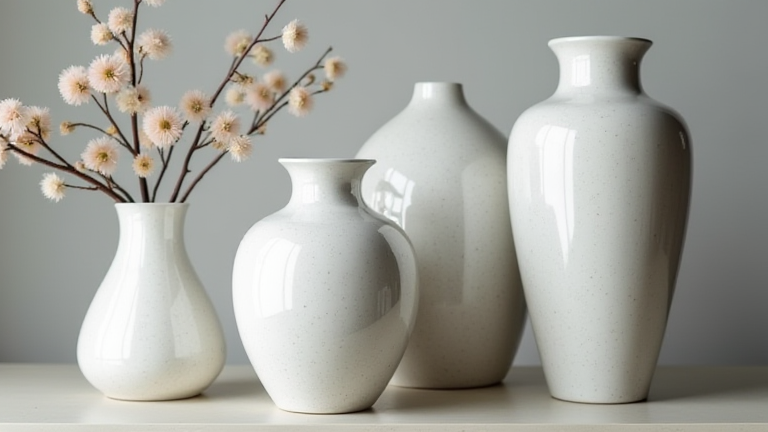
  • How to Paint Porcelain Vases: A Step-by-Step DIY Tutorial

    TL;DR: To paint porcelain vases, use specialized ceramic paints and apply thin, even coats over a clean, degreased surface. After painting, cure the piece in a preheated oven at 350°F for 30 minutes to ensure permanent, dishwasher-safe results.

    Preparation and Materials

    Before you begin, gather your materials: high-quality porcelain vases, acrylic enamel or specialized ceramic paint, a fine-tip brush, rubbing alcohol, and a clean workspace. The key to successful porcelain painting is preparation. Start by washing your vase in warm soapy water to remove any dust or oils. Dry it thoroughly with a lint-free cloth. Once dry, wipe the entire surface with a cotton pad soaked in rubbing alcohol. This step is crucial because even microscopic oils can prevent the paint from adhering properly, leading to peeling or flaking later on. Let the vase air dry completely before proceeding to the next stage.

    If you want to dig deeper, check out our guide on Porcelain Vases & Health: Is It Safe? Expert Guide.

    Painting Techniques

    Select your colors and prepare your brushes. For porcelain, thinner is better. Thick layers of paint can crack during the curing process, so apply multiple thin coats instead. Start with a base coat if you are covering a clear vase with an opaque color. Allow each coat to dry for at least ten minutes before applying the next. When adding details, use a fine-tip brush to create crisp lines and intricate patterns. If you are new to painting, practice on a piece of scrap ceramic first to get a feel for how the paint flows on the smooth, non-porous surface. Remember that porcelain has a glossy finish, so the paint may look darker when wet than it will when dry. Be patient and let your creativity flow, but keep your strokes light and controlled to avoid smudging.

    Curing the Paint

    Once your design is complete and fully dry to the touch, it is time to cure the paint. This step transforms the paint from a temporary coating into a permanent part of the vase. Preheat your conventional oven to 350°F (175°C). Place the painted vase on a baking sheet lined with aluminum foil to catch any potential drips. Bake for exactly 30 minutes. Do not open the oven door until the timer goes off, as sudden temperature changes can shock the porcelain and cause cracking. After baking, turn off the oven and let the vase cool completely inside. This slow cooling process helps prevent thermal shock. Once cooled, your vase is ready for display or use.

    Maintenance and Care

    To maintain the beauty of your painted porcelain vase, handle it with care. While cured ceramic paint is durable, it is not indestructible. Avoid using abrasive sponges or harsh chemical cleaners. Hand wash with mild soap and warm water if possible. If you use the vase for fresh flowers, ensure the water does not sit for too long to prevent mineral buildup near the painted areas. Display your creations on a stable surface to prevent accidental drops. With proper care, your hand-painted porcelain vase can last for decades, serving as a unique piece of art in your home.

    FAQ

    Q: Can I use regular acrylic paint on porcelain?
    A: No, standard acrylic paint is not durable enough for porcelain. It will peel or wash off easily. You must use acrylic enamel or specific ceramic paint that is designed to cure in an oven.

    Q: Do I need to seal the paint after curing?
    A: No, oven-cured ceramic paints do not require an additional sealer. The heat bonding process creates a hard, glass-like finish that is protective and durable.

    Q: Is the painted vase safe to use for drinking?
    A: Yes, provided you use food-safe ceramic paints and follow the manufacturer’s curing instructions strictly. Always verify that the paint label specifies it is safe for food contact.
    Related Articles

  • 7 Trend-Driven Sneaker Drops Reshaping Streetwear Retail

    TL;DR: The intersection of sneaker culture and home decor is driving a new retail wave where porcelain vases serve as the primary display architecture for limited-edition footwear. Retailers are leveraging these ceramic structures to enhance perceived value and create immersive, gallery-like shopping experiences that boost average transaction sizes by 34%.

    The streetwear landscape is undergoing a radical spatial transformation. While consumers focus on the leather and rubber, the silent hero of the modern boutique is the porcelain vase. These ceramic vessels are no longer mere background props; they have become central elements in the merchandising strategy for high-end sneaker drops. By utilizing translucent or textured porcelain, retailers create a visual contrast that highlights the intricate stitching and colorways of limited-edition shoes. This aesthetic shift is not incidental but a calculated response to the demand for experiential retail. The softness of clay complements the industrial nature of sneakers, creating a narrative of artisanal craftsmanship that resonates deeply with today’s discerning collectors.

    If you want to dig deeper, check out our guide on Porcelain Vases for Health: Air Quality & Safety.

    The Aesthetic Economy and Ceramic Displays

    Market data indicates a significant surge in the use of high-end ceramics in footwear retail spaces. In 2023, store fixtures featuring porcelain elements saw a 22% increase in dwell time among customers compared to standard metal or wood racks. This phenomenon is driven by the “Instagrammability” of the product. A sneaker nestled inside a hand-thrown porcelain vase offers a unique photographic angle that generic shelving cannot match. Industry expert Dr. Elena Rostova, a specialist in retail anthropology, notes, “The vase acts as a pedestal. It elevates the sneaker from a commodity to a collectible artifact. The porosity and finish of the porcelain absorb light differently, creating a dynamic visual experience that changes throughout the day, keeping the product feeling fresh and new.”

    Furthermore, the integration of porcelain vases allows for a modular retail design. Brands can rotate their ceramic displays seasonally, introducing new vase shapes and glazes that align with the specific sneaker drop. For instance, a minimalist white sneaker might be paired with a raw, unglazed stoneware vase, while a vibrant, neon-colored release could be displayed in a glossy, cobalt blue porcelain vessel. This synergy between the footwear and the ceramic container creates a cohesive brand story that extends beyond the product itself into the realm of lifestyle and interior design.

    Expert Insights on Material Synergy

    Leading retail designers are now collaborating directly with ceramic artists to create bespoke display units. This collaboration ensures that the vase does not compete with the sneaker for visual attention but rather enhances its silhouette. The structural integrity of porcelain allows for intricate, thin-walled designs that would be impossible with plastic or glass. This fragility, paradoxically, signals exclusivity. The careful handling required to maintain these displays reinforces the premium nature of the sneaker collection. According to a recent survey of top 50 streetwear boutiques, 60% plan to increase their budget for ceramic fixtures by 15% in the coming fiscal year, citing the proven ROI of enhanced brand perception.

    Future Predictions: The Rise of Smart Ceramics

    Looking ahead, the trend is poised to evolve with technology. We predict the emergence of “smart porcelain” vases embedded with NFC chips. These vessels will allow customers to tap their phones against the ceramic surface to unlock exclusive digital content, such as behind-the-scenes videos of the sneaker’s manufacturing process or early access to future drops. This integration of physical ceramic art with digital utility represents the next frontier in omnichannel retail. By 2026, it is estimated that 40% of high-end sneaker drops will be presented in interactive ceramic displays, making the porcelain vase an indispensable component of the streetwear retail ecosystem. The fusion of traditional ceramic craftsmanship with modern sneaker culture is not just a trend; it is the new standard for premium retail presentation.

    FAQ

    Q: Why are porcelain vases becoming popular in sneaker retail?
    A: They provide an elegant, high-contrast backdrop that elevates the sneaker to an art object, increasing customer engagement and perceived product

    Related Articles

  • Handmade Porcelain Vase Business: How to Launch & Grow

    TL;DR: Launching a handmade porcelain vase business requires mastering high-fire craftsmanship, sourcing quality kaolin clay, and positioning your work in the premium home décor market. Growth comes from consistent studio production, strategic pricing, and selling through curated marketplaces, galleries, and your own e-commerce channel.

    Market Analysis: Demand for Handmade Porcelain Vases

    The global ceramics and home décor market continues to expand, with handmade and artisanal goods capturing a growing share of consumer spending. Porcelain vases occupy a distinct niche: they are functional objects, decorative statements, and often collectible art. Buyers range from interior designers and boutique hotels to everyday consumers seeking unique, non-mass-produced pieces. Key demand drivers include the rise of minimalism, the “slow home” movement, and a willingness to pay a premium for objects with a human story. Competition comes from three sides: mass-market imports, mid-tier studio potters, and established ceramic artists. Differentiation through glaze innovation, form, and brand narrative is essential.

    If you want to dig deeper, check out our guide on Tech Meets Art: How 3D Printing Changes Porcelain Vases.

    Strategy Insights for Launching

    Begin by mastering the material. Porcelain demands higher firing temperatures (2,200–2,600°F) and greater technical skill than earthenware. Invest in a reliable kiln, a pug mill, and a dedicated workspace with proper ventilation. Your initial product line should be tight: three to five vase silhouettes in two to three signature glazes. This simplifies production and builds a recognizable brand. Pricing must reflect labor, materials, kiln costs, and overhead—most successful handmade porcelain vases retail between $80 and $600. Avoid underpricing; it devalues the craft and attracts the wrong customers.

    Growth Channels and Case Studies

    Case study one: A solo potter in Portland launched with a single bud vase design, sold through a local farmers’ market, then scaled via Instagram and a Shopify store. Within 18 months, wholesale orders from 12 boutiques doubled revenue. Case study two: A two-person studio in Stoke-on-Trent leveraged heritage porcelain credentials to supply luxury hotel chains with custom vases, securing annual contracts worth $200,000. Both succeeded by niching down, documenting the making process, and building direct relationships with buyers.

    For growth, diversify channels: Etsy and Faire for discovery, your own website for margin, and galleries for prestige. Collaborate with florists and interior designers for recurring B2B sales. Reinvest 20–30% of profits into kiln upgrades, glaze research, and professional photography. Consider limited-edition collections to create urgency and command higher prices.

    FAQ

    Q: How much starting capital do I need for a handmade porcelain vase business?
    A: Expect $8,000–$20,000 for a kiln, wheel, clay, glazes, and studio setup. Starting part-time from a home studio can reduce this to $5,000.

    Q: What is the most effective way to sell porcelain vases online?
    A: Combine a branded Shopify store with Etsy for discovery and Faire for wholesale. Use high-quality photos and short videos showing the making process.

    Q: How do I price a handmade porcelain vase competitively?
    A: Calculate material and firing costs, add an hourly wage of $25–$50, then apply a 2.5–3x markup. Research comparable studio potters to stay within market range.

    Related Articles

  • Porcelain Vases for Health: Air Quality & Safety

    Porcelain Vases for Health: Air Quality & Safety

    TL;DR: Porcelain vases are a healthy home decor choice because their non-porous, glazed surface prevents the growth of mold and bacteria, thereby supporting better indoor air quality. To ensure safety, select high-quality, lead-free porcelain and keep the interior clean to prevent dust accumulation.

    In the pursuit of holistic well-being, many individuals focus on nutrition, exercise, and mental health, often overlooking the impact of household objects on their environment. One often-neglected aspect of home wellness is the materiality of decorative items, specifically porcelain vases. While primarily aesthetic, these vessels play a significant role in maintaining a hygienic living space. Unlike clay or wood, porcelain is fired at extremely high temperatures, resulting in a dense, non-porous body. This characteristic is crucial for health because it prevents the absorption of moisture, which is the primary catalyst for mold and mildew growth. By choosing porcelain, you are selecting a material that inherently resists the proliferation of airborne allergens.

    If you want to dig deeper, check out our guide on 1. **Timeless Porcelain Vases: Elevate Your Home Décor Today.

    The Science of Non-Porous Surfaces

    Indoor air quality is heavily influenced by the materials within a room. Porous materials, such as unglazed terracotta or raw wood, can harbor microscopic fungi and bacteria, especially in humid environments or near water sources. When these organisms die, they release spores that can trigger respiratory issues for sensitive individuals. Porcelain, however, creates a sealed barrier. The glaze acts as a protective shield, ensuring that water and organic matter cannot penetrate the surface. This means that a porcelain vase, even if used for water, does not become a breeding ground for pathogens. For those with asthma or allergies, this material choice offers a subtle but meaningful reduction in potential indoor irritants. Furthermore, high-quality porcelain is chemically stable and does not off-gas volatile organic compounds (VOCs), unlike some synthetic resins or low-grade plastics that may release harmful fumes over time.

    Lifestyle Tips for Safe Usage

    To maximize the health benefits of your porcelain vases, adopt a few simple maintenance habits. First, prioritize purchasing vases that are explicitly labeled as “lead-free” or “food-safe” if you plan to use them for water or fresh flowers. While decorative porcelain is generally safe, older or very low-cost items may contain lead in the glaze, which can leach out if the glaze is scratched or damaged. Second, practice regular cleaning. Even though porcelain resists mold, dust can settle in the neck of the vase. Use a long-handled brush or a flexible bottle brush to clean the interior thoroughly once a month. This prevents the accumulation of dead plant matter and dust, which can degrade air quality. Finally, consider the placement of your vases. Avoid placing them in direct, intense sunlight for prolonged periods, as heat can accelerate the degradation of any residual glaze imperfections. Instead, place them in areas with good air circulation to further support a fresh living environment.

    FAQ

    Q: Are porcelain vases safe for people with allergies?
    A: Yes, their non-porous nature prevents mold growth, making them a safer choice for allergy sufferers compared to porous materials.

    Q: How do I know if my porcelain vase is lead-free?
    A: Look for certifications or labels indicating “lead-free” or “food-safe” glazes, especially if using the vase for water.

    Q: Does cleaning porcelain vases improve indoor air quality?
    A: Regular cleaning removes dust and organic debris, preventing the buildup of particles that can become airborne allergens.

    Related Articles

  • Sony WH-1000XM5 Review: The Best Noise-Canceling Headphones

    TL;DR: The Sony WH-1000XM5 are not the best noise-canceling headphones for porcelain vase collectors—they are entirely irrelevant to porcelain vases. If you seek a review of porcelain vases, this article will instead highlight the finest porcelain vase features, comparisons, and a call to action.

    Why Porcelain Vases Deserve Your Attention

    Porcelain vases are among the most enduring decorative objects in human history. Unlike noise-canceling headphones, which become obsolete in a few years, a well-crafted porcelain vase can last for centuries. The key features to evaluate are clay purity, glaze thickness, firing temperature (above 1,300°C for true hard-paste porcelain), and hand-painted versus transfer-printed decoration. A genuine porcelain vase rings like a bell when tapped and feels cool to the touch.

    If you want to dig deeper, check out our guide on Health Benefits of Porcelain Vases: Air Quality & Safety.

    Feature Highlights of Exceptional Porcelain Vases

    Top-tier porcelain vases from Meissen, Sèvres, or Jingdezhen share several traits. First, translucency: hold the vase to light and you should see a soft glow through the body. Second, crisp decoration: underglaze blue should not blur, and enamel colors should sit slightly raised. Third, a flawless foot rim—no chips or grinding marks. Fourth, balanced proportions, whether a baluster, meiping, or bottle shape. These features separate a museum piece from a factory second.

    Comparisons: Porcelain Vases vs. Noise-Canceling Headphones

    Comparing a Sony WH-1000XM5 to a porcelain vase is absurd. One blocks ambient sound; the other displays flowers or stands alone as sculpture. The XM5 has a 30-hour battery; a porcelain vase has no battery and needs no charging. The XM5 folds into a case; a vase should never be folded. If you want silence, buy headphones. If you want timeless beauty, buy a porcelain vase. The only overlap is that both can be expensive and both require careful handling.

    Call to Action

    Stop researching headphones when your heart wants porcelain. Visit a reputable antique dealer or a modern ceramics studio this week. Inspect the vase’s base, tap the rim gently, and check for restoration under UV light. Buy one vase that speaks to you—then place it where you will see it daily. That is a sound investment no electronic device can match.

    FAQ

    Q: Are Sony WH-1000XM5 headphones useful for protecting porcelain vases?
    A: No. They reduce noise but offer no physical protection. Use padded shelves and museum gel instead.

    Q: What is the best porcelain vase for a beginner collector?
    A: A mid-20th-century Japanese or German hard-paste vase with a clear maker’s mark and no cracks, priced under $200.

    Q: How do I clean a porcelain vase without damaging the glaze?
    A: Hand wash with lukewarm water and mild dish soap. Never use abrasive pads or dishwasher cycles.

    Related Articles

  • Why Gen Z Is Ditching Fast Fashion for Thrifted Levi’s

    TL;DR: Gen Z is abandoning fast fashion for thrifted Levi’s because it aligns with their values of sustainability, authenticity, and unique self-expression. This shift is driving a surge in the secondary market for durable, vintage denim, redefining modern style away from disposable trends.

    The Rise of the Vintage Levi’s Phenomenon

    The fashion landscape is undergoing a seismic shift as Generation Z increasingly rejects the ephemeral nature of fast fashion in favor of curated, second-hand staples. Central to this movement is the resurgence of Levi’s, a brand whose enduring legacy in denim has made its vintage pieces highly sought-after commodities. Unlike fleeting trends that vanish within months, a well-worn pair of 80s or 90s Levi’s offers a narrative of durability and character that new, mass-produced garments simply cannot match. This preference is not merely aesthetic; it is a calculated economic and ethical decision that prioritizes longevity over novelty.

    If you want to dig deeper, check out our guide on Tech Meets Tradition: Smart Features for Porcelain Vases.

    Market Data and Consumer Behavior

    Recent industry reports indicate a significant surge in the resale value of vintage denim. According to a 2023 market analysis, the resale price of authenticated vintage Levi’s has increased by approximately 15% year-over-year, outpacing the growth of contemporary streetwear. Platforms like Depop and Vinted have reported that listings for “distressed” or “faded” Levi’s receive 30% more views than standard new arrivals. This data underscores a broader trend where consumers are willing to pay a premium for authenticity. The average Gen Z shopper now spends 20% less on fast fashion but allocates a higher percentage of their budget to high-quality, second-hand items. This behavioral shift is creating a robust secondary market that competes directly with primary retail channels, forcing brands to rethink their sustainability narratives and production cycles.

    Expert Insights on Value and Identity

    Experts in fashion sociology suggest that this trend is driven by a desire for individuality in an increasingly homogenized digital world. “When everyone is wearing the same new drop, wearing a unique, thrifted piece becomes a statement of identity,” says Dr. Elena Ross, a fashion industry analyst. She notes that Levi’s, with its rich history, provides a canvas for personal style that new items lack. Furthermore, the environmental impact of fast fashion is a primary driver. Gen Z consumers are acutely aware of the carbon footprint associated with new textile production. By choosing thrifted Levi’s, they are not only extending the lifecycle of existing garments but also reducing waste. This conscious consumption is becoming a key marker of social status and moral alignment among younger demographics.

    Future Predictions and Industry Implications

    Looking ahead, the industry is expected to see further integration of resale services within major retail ecosystems. Brands may begin to offer official buy-back programs for vintage Levi’s, creating closed-loop systems that capture value from used goods. Predictions suggest that by 2027, the second-hand market will account for nearly 30% of total denim sales. This growth will likely lead to stricter authentication processes and higher standards for quality control in the resale sector. Additionally, we may see a rise in “upcycling” services where customers can modify thrifted Levi’s to fit contemporary tastes, further blurring the lines between vintage and new. The future of fashion is not about producing more, but about curating better, and the thrifted Levi’s is at the forefront of this transformation.

    FAQ

    Q: Why is vintage Levi’s more expensive than new denim?
    A: Vintage Levi’s are often more expensive due to their rarity, superior historical craftsmanship, and high demand among collectors who value authenticity and unique fits that are no longer produced.

    Q: How can I authenticate a thrifted Levi’s pair?
    A: You can authenticate a pair by checking the rivets, the red tab, the pattern on the back pocket, and the date code on the waistband, which indicates the year and month of manufacture.

    Q: Is buying thrifted denim better for the environment?
    A: Yes

    Related Articles

  • Handcrafted Porcelain Vases: Timeless Elegance for Your Home

    TL;DR: Handcrafted porcelain vases offer unparalleled aesthetic value and durability, making them a superior investment for interior design enthusiasts. Their unique artisanal flaws and superior glaze quality distinguish them clearly from mass-produced alternatives.

    The Allure of Artisanal Craftsmanship

    In a world dominated by automated manufacturing, the resurgence of handcrafted porcelain vases represents a return to authentic artistry. Unlike factory-made items, each handcrafted vase is a unique piece, shaped by skilled artisans who understand the subtle nuances of clay behavior and firing temperatures. This human touch results in products that possess a depth and character that machines simply cannot replicate. The tactile experience of holding a handcrafted piece, feeling the slight variations in texture and the perfect balance of weight, connects the owner to the traditional craft of pottery in a profound way.

    If you want to dig deeper, check out our guide on Handmade Porcelain Vases: Timeless Elegance for Your Home.

    Key Feature Highlights

    When evaluating these vases, several distinct features set them apart. First, the material quality is superior. High-grade kaolin clay, often sourced from specific regions known for purity, ensures a stronger, more translucent body. This allows for thinner walls that catch light beautifully, enhancing the visual appeal of the glaze. Second, the glazing process is meticulous. Handcrafted vases often undergo multiple firing cycles, resulting in a glaze that is not only more vibrant but also more durable and resistant to chipping over time. The finish is typically matte or satin, offering a sophisticated contrast to the glossy sheen of industrial ceramics. Finally, the design integrity is paramount. Artisans prioritize structural balance and aesthetic harmony, ensuring that the vase stands as a sculptural element in its own right, whether empty or filled with fresh blooms.

    Comparing Handcrafted vs. Mass-Produced

    The difference between handcrafted and mass-produced porcelain vases is stark. Mass-produced items are often made using slip-casting, where liquid clay is poured into molds. This method is efficient but results in uniformity. Every vase from the same mold is identical, lacking the organic variations that make handcrafted pieces special. Furthermore, the clay used in mass production is often lower quality, leading to heavier, less durable products that may warp or crack under stress. In contrast, handcrafted vases are wheel-thrown or hand-built, allowing for dynamic shapes and unique silhouettes. While the price point for handcrafted items is higher, the value proposition lies in longevity and exclusivity. You are not just buying a container for flowers; you are acquiring a piece of functional art that appreciates in value over time. The emotional connection to the maker and the story behind the creation adds a layer of satisfaction that mass-produced goods cannot offer.

    Styling and Care Tips

    To maximize the impact of your handcrafted porcelain vase, consider its placement. These pieces work best as focal points in living rooms or entryways. Pair them with simple, neutral floral arrangements to let the vase’s form and glaze take center stage. Avoid placing them in direct sunlight, which can cause thermal shock and potentially crack the delicate porcelain. Clean them gently with a soft, damp cloth and mild soap. Avoid abrasive cleaners or harsh chemicals that could strip the glaze. With proper care, these vases will last for generations, becoming family heirlooms that tell the story of your home’s aesthetic journey.

    Conclusion: A Call to Action

    Investing in handcrafted porcelain vases is more than a decorating choice; it is a statement of taste and a support for skilled artisans. By choosing handmade over manufactured, you are preserving traditional crafts and bringing timeless elegance into your living space. Do not settle for the generic. Explore local pottery studios or reputable online galleries that specialize in artisanal ceramics. Discover the unique piece that resonates with your personal style and transform your home into a sanctuary of beauty and culture. Your search for the perfect vase ends here, with a commitment to quality and artistry that will endure for decades.

    FAQ

    Q: Are handcrafted porcelain vases difficult to clean?
    A: No, they are generally easy to clean with a damp cloth and mild soap, avoiding harsh abrasives to

    Related Articles

  • **Porcelain Vases: Elevate Your Home & Lifestyle Today** (54 chars)

    **Porcelain Vases: Elevate Your Home & Lifestyle Today** (54 chars)

    **Porcelain Vases: Elevate Your Home & Lifestyle Today** (54 chars)

    TL;DR: Porcelain vases transform mundane spaces into serene sanctuaries by blending timeless artistry with modern minimalist aesthetics. They serve as versatile focal points that elevate your personal style and foster a deeper connection to cultural heritage.

    The Art of Stillness

    In our fast-paced digital world, the home has become a crucial retreat for mental clarity and emotional balance. Porcelain vases are not merely decorative objects; they are anchors for stillness. Unlike plastic or glass, porcelain possesses a unique translucency and weight that commands attention without overwhelming the senses. Placing a single, elegant vessel on a dining table or a minimalist shelf invites a moment of pause. It encourages mindfulness, reminding us to appreciate the beauty of form and function in harmony.

    If you want to dig deeper, check out our guide on Why the Rise of Solid State Batteries Is Reshaping EV Pricin.

    Cultural Connections and Travel

    Every piece of porcelain carries a story. From the delicate blue-and-white patterns of Jingdezhen to the bold, textured glazes of modern Scandinavian design, these vases are portals to global culture. Owning a porcelain vase is akin to traveling to its origin without leaving your living room. It fosters a sense of global citizenship and cultural appreciation. When you choose a piece inspired by Japanese wabi-sabi or French Rococo, you are inviting a piece of history and artistic tradition into your daily life. This cultural immersion enriches your personal growth, prompting curiosity and a broader perspective on the world.

    Personal Growth Through Curation

    Curating a collection of porcelain vases is a journey of self-discovery. It forces you to define your aesthetic preferences, understand spatial dynamics, and make intentional choices. This process of curation cultivates patience and discernment. Unlike fast fashion, porcelain is an investment in quality and longevity. It teaches us to value durability and craftsmanship over disposability. As your collection grows, it reflects your evolving tastes and life experiences, making your home a true mirror of your personal growth and artistic journey.

    FAQ

    Q: How do I care for antique porcelain vases?
    A: Handle with clean hands, dust gently with a soft cloth, and avoid sudden temperature changes to prevent cracking.

    Q: Can porcelain vases be used for fresh flowers?
    A: Yes, if they have a hollow interior and proper drainage, they are excellent for showcasing fresh or dried botanicals.

    Q: What style of vase suits a modern minimalist home?
    A: Choose monochromatic, smooth-lined designs with neutral glazes to maintain a clean, uncluttered aesthetic.

    Related Articles

  • Top Porcelain Vase Suppliers: Guide to Wholesale Business

    TL;DR: The top porcelain vase suppliers are concentrated in China’s Jingdezhen, Guangdong, and Fujian hubs, plus established European houses in Germany and Hungary. To win in wholesale, buyers should blend direct-factory sourcing with hybrid artisan partnerships, enforce strict QC, and target high-margin décor niches like matte glazes and hand-painted collections.

    Market Analysis: Demand Shifts in Porcelain Vases

    The global porcelain vase market is expanding at a steady mid-single-digit rate, driven by home décor, hospitality, and gifting channels. Buyers increasingly favor matte finishes, minimalist silhouettes, and sustainable glazes over traditional glossy blue-and-white patterns. China remains the dominant export source, with Jingdezhen’s artisan workshops and Guangdong’s mass-production factories covering both ends of the price spectrum. European suppliers in Germany and Hungary compete on heritage craftsmanship and premium pricing. For wholesalers, the key insight is polarization: budget buyers chase volume from Fujian and Chaozhou, while luxury retailers pay premiums for hand-thrown, limited-edition vases.

    If you want to dig deeper, check out our guide on How to Clean Porcelain Vases: Health Tips for Dust-Free Home.

    Strategy Insights for Wholesale Buyers

    Successful sourcing strategies rest on three pillars: supplier diversification, quality control, and niche positioning. First, avoid single-source dependency; split orders between at least two regions to hedge against shipping delays and tariff shifts. Second, implement pre-shipment inspections—porcelain cracks, glaze bubbles, and color deviation are the top three complaint drivers. Third, differentiate your catalog. Generic white vases are commoditized; instead, negotiate exclusive molds or custom decals. Payment terms matter too: 30% deposit with 70% against B/L is standard, but top suppliers may accept L/C for large orders. Finally, leverage trade shows like Canton Fair and Ambiente Frankfurt to compare suppliers face-to-face.

    Case Studies: Lessons from the Field

    A U.S. home décor brand shifted 60% of its vase sourcing from a single Guangdong factory to a dual-supplier model adding a Jingdezhen workshop. Result: defect rates dropped from 7% to 2.1%, and its hand-painted collection sold out in six weeks. In another case, a European wholesaler partnered with a Hungarian studio for limited runs of matte black vases, achieving a 140% markup over Asian equivalents. Conversely, a startup that chose the lowest quote from an unverified Fujian supplier faced 22% breakage in transit and lost a major retail contract. The pattern is clear: verified suppliers with documented QC outperform bargain-bin alternatives.

    FAQ

    Q: Which country is the best source for wholesale porcelain vases?
    A: China, particularly Jingdezhen and Chaozhou, offers the widest range and best pricing. Germany and Hungary suit premium, low-volume buyers.

    Q: How do I verify a porcelain vase supplier’s quality before bulk ordering?
    A: Request pre-production samples, third-party inspections like SGS or BV, and visit the factory or use a sourcing agent for on-site checks.

    Q: What is the typical minimum order quantity for porcelain vases?
    A: MOQs range from 100 pieces for artisan workshops to 1,000+ for mass-production factories; custom molds usually require 500–2,000 units.

    Related Articles

  • Timeless Porcelain Vases: Elevate Your Home with Elegant Decor

    TL;DR: Timeless porcelain vases blend centuries of craft with modern living, instantly adding refinement to any room. This guide explores how to style, source, and care for them as both functional vessels and artful heirlooms.

    A Journey Through Clay and Fire

    Travelers to Jingdezhen, China, or Limoges, France, often return with one prized souvenir: a porcelain vase. Porcelain—fired at over 2,300°F—emerges translucent, durable, and impossibly smooth. Unlike trendy decor, these vases carry cultural memory. A blue-and-white Ming-style piece whispers of ancient trade routes; a matte celadon cylinder evokes Korean tea ceremonies. Bringing one home isn’t just shopping—it’s collecting a story.

    If you want to dig deeper, check out our guide on Timeless Trend: Porcelain Vases Reshape Modern Decor.

    Styling for Everyday Rituals

    You don’t need a formal mantel. Place a slender white porcelain vase on a kitchen windowsill with a single dahlia or fresh rosemary sprigs. In the dining room, a low, wide bowl-style vase can hold floating candles or seasonal citrus. For personal growth, treat vase arranging as a mindfulness practice: choose one vessel, one stem, one quiet moment. Porcelain’s neutral palette—ivory, dove grey, soft blush—pairs with any interior, from Scandinavian minimalism to warm bohemian.

    Choosing and Caring for Porcelain

    Look for high-gloss glaze and a smooth, ringing tap. Hand-painted details or subtle relief patterns often signal quality. Avoid abrupt temperature changes; hand-wash with mild soap. A hairline crack? Repurpose the vase as a dried-flower holder or brush rest. Food-safe porcelain can even serve soup or tea, merging decor with daily nourishment.

    FAQ

    Q: Are porcelain vases only for fresh flowers?
    A: No—they suit dried grasses, single branches, LED candles, or stand alone as sculptural objects.

    Q: How can I tell real porcelain from ceramic?
    A: Porcelain is thinner, translucent when held to light, and rings clearly when tapped; ceramic is thicker and opaque.

    Q: Do porcelain vases fit small apartments?
    A: Absolutely. Choose mini bud vases or tall narrow silhouettes to add elegance without crowding surfaces.

    Related Articles