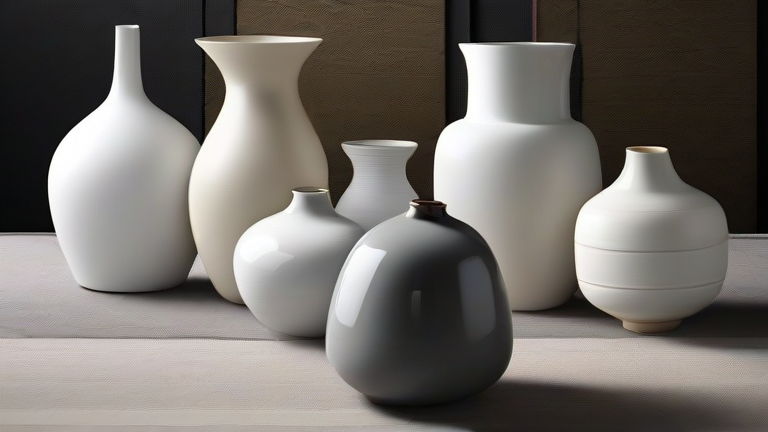
TL;DR: Handcrafted porcelain vases are the ultimate fusion of art and function, offering heirloom-quality durability and timeless elegance that mass-produced ceramics can’t match. If you want a decor piece that elevates any room without shouting for attention, these vases are a worthy investment.
Why Handcrafted Porcelain Beats Factory-Made Decor
Walk into any big-box store, and you’ll find rows of identical, machine-molded vases—glassy, hollow, and utterly forgettable. Handcrafted porcelain, by contrast, is shaped on a potter’s wheel or built by hand, meaning every curve, glaze drip, and subtle asymmetry is unique. The clay is fired at over 1,200°C, creating a vitrified surface that is non-porous, chip-resistant, and surprisingly lightweight for its strength. That means your vase won’t just sit pretty on a shelf—it can hold fresh-cut flowers without staining, or stand alone as a sculptural statement piece for decades.
If you want to dig deeper, check out our guide on Handmade Porcelain Vases: Top Styles for Your Home.
Feature Highlights: What to Look For
First, examine the glaze. High-quality handcrafted vases use reactive or crystalline glazes, which produce depth and color shifts that change with your room’s lighting. Second, check the foot rim—a hand-trimmed base (not a sharp, machine-cut edge) indicates true craftsmanship. Third, consider the opening. A narrow neck is perfect for single stems; a wide mouth suits lush bouquets or dried branches. Finally, look for subtle imperfections: tiny pinpricks or a slight wobble on the base are not flaws but proof of human hands, adding character that no CNC lathe can replicate.
Comparison: Handcrafted vs. Commercial Porcelain
Mass-produced vases from brands like IKEA or Target are typically slip-cast (liquid clay poured into molds), resulting in thin walls that crack easily and glossy, uniform finishes that feel plastic-like. They cost $15–$40, but they’re disposable—one knock over and they shatter into sharp shards. Handcrafted vases, starting around $60 and climbing to $300+ for artist-signed pieces, have thicker walls (3–5 mm) that absorb shock better. They also age gracefully: the glaze develops a subtle craquelure (fine crackle pattern) over years, which many collectors prize. While the upfront price is higher, you’re buying a functional sculpture that can be re-glazed or repaired by a professional, unlike cheap imports that end up in landfill.
Styling Tips for Every Room
Place a tall, narrow-necked porcelain vase on a dining table with three quince branches—the white or celadon glaze will make the green pop. For a modern living room, choose a matte black or oxblood vase with a rough, unglazed base to contrast with sleek leather sofas. In a bedroom, a small, round-bellied vase in pastel blue works perfectly as a bedside catch-all for jewelry, or simply left empty to catch morning light. The key is restraint: porcelain’s beauty lies in its quiet presence, so pair it with natural textures like linen, wood, or stone, not with loud patterns.
Call to Action
Don’t settle for another disposable decor item. Visit a local pottery studio or an online artisan marketplace like Etsy, search for “handcrafted porcelain vase,” and choose one that speaks to you—not just one that matches a catalog photo. Your home deserves a piece that carries the fingerprints of its maker. Buy one now, and you’ll own a treasure that future generations will argue over.
FAQ
Q: Can I put water in a handcrafted porcelain vase without damaging it?
A: Absolutely. The high-fired glaze makes porcelain waterproof and non-porous. Just rinse with warm water and mild soap after use; avoid abrasive scrubbers to protect the glaze.
Q: How do I clean a porcelain vase with a narrow opening?
A: Fill it with warm
Leave a Reply