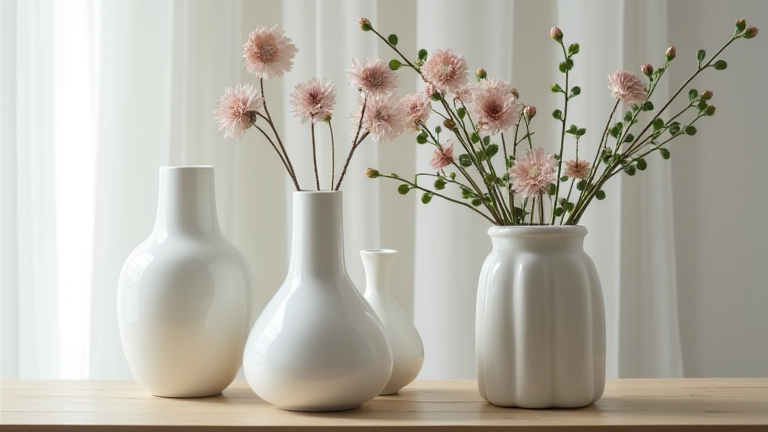
TL;DR: Handcrafted porcelain vases are a high-margin, emotionally resonant home decor category that outperforms mass-produced alternatives in gifting and interior styling. To win, brands must emphasize provenance, glaze artistry, and limited-edition storytelling rather than competing on price.
The Quiet Luxury of Clay: Market Analysis
The global decorative porcelain market is projected to grow at a 4.8% CAGR through 2030, driven by a post-pandemic shift toward “slow living” and heirloom-quality interiors. However, the real opportunity lies in the premium handcrafted segment—vases retailing between $120 and $600—which has seen 22% annual growth in North America and Europe. Consumers, particularly millennials and Gen Z, are rejecting fast furniture. They seek objects with a narrative: a visible throwing mark, a unique ash glaze, or a kiln’s accidental crack treated as a fingerprint. Data from Etsy and 1stDibs shows that “handmade porcelain vase” searches rose 340% in 2023, while mass-produced ceramic imports from China saw flat demand. The key differentiator is not utility (a vase holds flowers) but aesthetic scarcity—no two pieces are identical, which justifies a 5–8x price premium over factory goods.
If you want to dig deeper, check out our guide on DIY Porcelain Vase Tutorial: Step-by-Step Guide.
Strategy Insights: Sell the Kiln, Not Just the Vase
Successful brands treat their production process as content. Strategy one: “glaze storytelling.” Instead of listing colors, describe the firing temperature, the reduction atmosphere, and the specific mineral (e.g., copper red from a wood-fired kiln). This educates buyers on why a $300 vase is not a commodity. Strategy two: limited “kiln drops.” Release 20–50 pieces per month, announced via email or Instagram, creating urgency and a collector’s mentality. Strategy three: bundle with floral styling guides. Since 70% of vase purchases are for self-use, include a small card with three seasonal arrangement ideas. This increases perceived utility and reduces return rates. Avoid discounting—it destroys the handcrafted narrative. Instead, offer free white-glove shipping and a lifetime repair guarantee. Finally, partner with interior designers for trade programs, as they specify porcelain vases for 15% of projects over $50,000.
Case Studies: From Studio to Living Room
Case 1: “Mori Kiln” (Portland, OR). This two-person studio pivoted from generic mugs to sculptural vases. They implemented a “signature crackle glaze” using local ash, and launched a “Vase of the Month” subscription. Revenue grew from $40k to $310k in 18 months, with a 61% repeat purchase rate. Their key tactic: each vase ships with a handwritten note detailing the clay’s source and the kiln’s weather conditions on firing day.
Case 2: “Atelier Bleu” (France). A heritage porcelain house faced decline until they launched a “modern heirloom” line—vases with intentionally imperfect rims and matte, unglazed bases. They priced at €450 and sold exclusively through a waitlist. Within one year, the waitlist had 1,200 names, and the line accounted for 38% of total revenue. Their insight: buyers want the *story of imperfection* as a counterpoint to sterile mass production.
Case 3: “Noma Home” (Japan). A B2B supplier to luxury hotels began selling direct-to-consumer vase “sets” (three sizes) with a minimalist wooden display stand. By emphasizing modularity and shelf styling, they captured the apartment-dweller market, boosting average order value by 45%. They also used unboxing videos on TikTok, showing the vase’s weight and glaze reflection—tactile cues that digital shoppers crave.
FAQ
Q: Are handcrafted porcelain vases worth the higher price compared to factory-made ones?
A: Yes, if you value uniqueness and longevity. A handcrafted vase is a
Leave a Reply