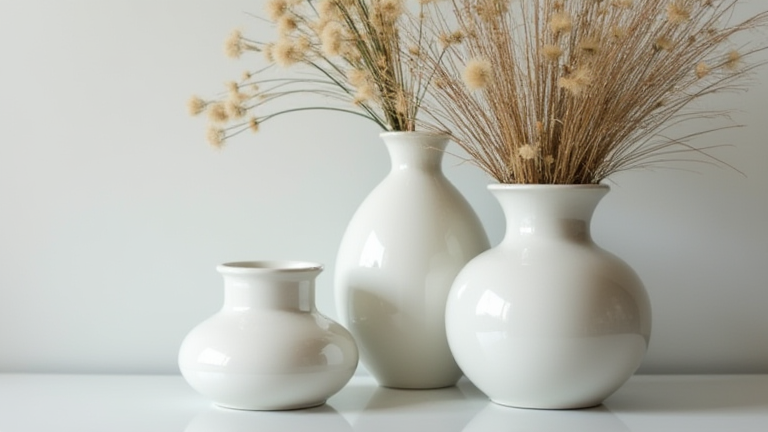
TL;DR: Elevate your home by selecting porcelain vases that complement your architectural lines and curating them in deliberate, asymmetrical groupings. Focus on texture contrast and negative space to transform simple ceramic pieces into sophisticated focal points that reflect your personal aesthetic.
The Art of Curated Elegance
In the realm of interior design, few objects carry the duality of fragility and strength quite like a porcelain vase. These delicate vessels are not merely containers for flowers; they are sculptural statements that anchor a room’s energy. Whether you are drawn to the crisp, minimalist lines of modern white porcelain or the intricate, hand-painted motifs of traditional Meissen, these pieces offer a unique opportunity to blend cultural heritage with contemporary living. The key to styling them effectively lies in understanding their role as both functional decor and artistic expression. By treating your vase collection as a curated gallery rather than a cluttered shelf, you invite a sense of calm and intentionality into your daily routine.
If you want to dig deeper, check out our guide on Handcrafted Porcelain Vases: 10 Stunning Styles for Your Hom.
Texture and Tone
Porcelain’s defining characteristic is its glaze. The way light interacts with the surface can dramatically alter the mood of a space. Matte finishes absorb light, creating a soft, organic feel that pairs beautifully with natural materials like linen, wood, or stone. Conversely, high-gloss porcelain reflects light, adding shine and a sense of luxury that works well in modern or industrial settings. When styling, consider the “temperature” of your room. In a cool, gray-toned living room, a warm, blush-pink vase can introduce a subtle vitality. In a sun-drenched kitchen, a stark white vase with clean geometric lines can enhance the brightness. Do not be afraid to mix finishes within a single display. Pairing a rough, unglazed stoneware piece with a sleek, glazed porcelain vase creates a dynamic visual tension that is far more interesting than uniformity. This interplay of textures keeps the eye moving and prevents the space from feeling static or overly formal.
Composition and Negative Space
The most common mistake in vase styling is over-crowding. Porcelain pieces require room to breathe. Think of negative space as an active design element. When placing a vase on a console table or a mantelpiece, ensure there is ample empty space around it. This isolation highlights the vase’s form and glaze, allowing the viewer to appreciate its craftsmanship. If you are grouping multiple vases, adhere to the rule of odd numbers. Three vases of varying heights and widths create a triangular composition that is naturally pleasing to the human eye. Vary the heights significantly—perhaps one tall and slender, one medium and rounded, and one short and wide. This vertical variation adds depth and dimension to the arrangement. Furthermore, consider the background. A plain wall or a simple shelf backdrop allows the porcelain to stand out. Avoid busy patterns behind your vases, as they will compete for attention and dilute the impact of the pieces. Let the simplicity of the setting enhance the complexity of the object.
Personal Growth Through Object Care
Caring for porcelain is a practice in mindfulness. These delicate items require gentle handling and regular dusting, which encourages you to slow down and appreciate the objects in your life. This ritual of care fosters a deeper connection to your home environment. By maintaining your vases, you are not just preserving an investment; you are engaging in a daily act of appreciation. This mindset shift—from viewing decor as disposable to viewing it as enduring—promotes a more sustainable and intentional lifestyle. It encourages you to choose fewer, better-quality pieces that will last for generations. In a world that often prioritizes speed and excess, the deliberate act of styling and caring for a porcelain vase becomes a small but significant act of resistance. It reminds us that beauty is not found in accumulation, but in curation, care, and the quiet elegance of well-chosen objects.
FAQ
Q: How should I clean a delicate porcelain vase without damaging the glaze?
A: Use a soft, lint-free microfiber cloth and a mild soap solution for exterior cleaning. For the interior, use a long-handled brush with warm water, avoiding abrasive
Leave a Reply