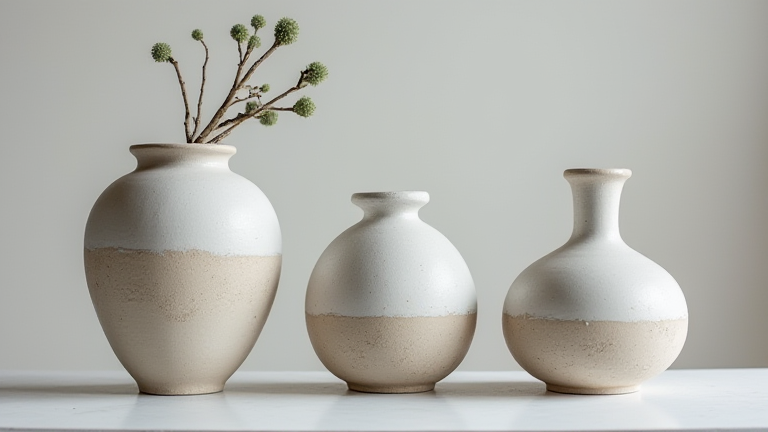
Category: Uncategorized

  • Porcelain Vase Tutorial: How to Make Your Own Step-by-Step

    Porcelain Vase Tutorial: How to Make Your Own Step-by-Step

    TL;DR: Create your own porcelain vase by shaping a clay body, bisque firing it, and applying a glaze before the final high-temperature firing. This process requires patience, proper kiln access, and careful attention to drying times to ensure structural integrity and aesthetic perfection.

    Step 1: Prepare Your Materials and Workspace

    Begin by gathering high-quality porcelain clay, which is known for its translucency and strength. Ensure your workspace is clean and well-ventilated. You will need modeling tools, a wire cutter, and a smooth surface for working. Porcelain is more prone to cracking than stoneware, so handle it with extra care. Allow the clay to reach room temperature before starting to prevent thermal shock during the initial forming stages.

    If you want to dig deeper, check out our guide on Porcelain Vases & Health: Safe Materials and Air Quality.

    Step 2: Form the Vase Body

    Choose a technique such as wheel throwing or hand-building. For wheel throwing, center the clay firmly to avoid wobbles. Pull up the walls evenly, keeping them thin but consistent, as porcelain becomes very thin after glazing. If hand-building, use coil or slab methods, ensuring all joints are thoroughly blended. Maintain a symmetrical silhouette for a professional look. Remember that porcelain shrinks significantly during firing, so make your piece slightly larger than your desired final size.

    Step 3: Dry and Trim

    Allow the vase to dry slowly to leather-hard stage, then trim the foot if necessary. Cover the piece with plastic to ensure even drying. Rushing this step can cause catastrophic cracks. Once bone dry, inspect the piece for any flaws. Porcelain’s fine texture means that even minor imperfections will be visible in the final glaze. Smooth out any rough edges with sandpaper or a damp sponge.

    Step 4: Bisque Fire

    Load the dried vase into your kiln for the bisque firing. This low-temperature firing removes chemical water and converts the clay into a porous ceramic. The goal is to create a stable base for glazing without vitrifying the surface completely. Ensure the kiln shelves are clean and use kiln wash to prevent sticking. Monitor the temperature closely, as porcelain is sensitive to rapid temperature changes.

    Step 5: Glaze Application

    Once the bisque has cooled, apply your chosen glaze. Porcelain accepts glazes beautifully, enhancing its natural whiteness or providing vibrant colors. Dip, pour, or brush the glaze evenly to avoid runs or thin spots. Ensure the foot is clear of glaze to prevent it from fusing to the kiln shelf. Consider layering glazes for depth and complexity. Let the glaze dry completely before firing.

    Step 6: Final Firing

    Place the glazed vase in the kiln for the final glaze firing. This high-temperature process vitrifies the clay and melts the glaze into a smooth, glossy finish. Follow the specific temperature requirements for your glaze and clay body. Allow the kiln to cool naturally before opening the door. This slow cooling prevents thermal shock and ensures the vase remains intact.

    FAQ

    Q: Can I make porcelain vases without a kiln?
    A: No, true porcelain requires high-temperature kiln firing to achieve its characteristic strength and translucency. Alternative methods result in different materials like ceramic or plaster.

    Q: How long does the entire process take?
    A: The total time includes several weeks for drying and multiple firing cycles, typically spanning four to six weeks from start to finish depending on your schedule and kiln availability.

    Q: What are common mistakes to avoid?
    A: Common errors include drying too quickly, applying uneven glaze, and firing at incorrect temperatures. Always prioritize slow, even drying and precise temperature control to prevent cracking and glaze defects.

    Related Articles

  • Top 10 Tech Innovations Redefining Porcelain Vase Design

    Top 10 Tech Innovations Redefining Porcelain Vase Design

    TL;DR: Advanced 3D printing and AI-driven material science are revolutionizing porcelain vase production by enabling complex geometries and unprecedented structural integrity. These innovations reduce waste and allow for mass customization, fundamentally shifting the industry from traditional molding to digital precision manufacturing.

    The intersection of traditional ceramic art and cutting-edge technology is creating a new era for porcelain vase design. Manufacturers are no longer limited by the physical constraints of kilns or manual throwing techniques. Instead, they are leveraging digital tools to create vases that are not only aesthetically stunning but also engineered for specific acoustic and structural properties.

    If you want to dig deeper, check out our guide on Elevate Your Home: How Porcelain Vases Transform Modern Livi.

    1. Additive Manufacturing (3D Printing)

    The most significant shift is the adoption of high-resolution 3D printing for porcelain. Using specialized ceramic inks, printers can deposit layers of porcelain slip with precision under 50 microns. This allows for the creation of intricate lattice structures and hollow forms that would collapse under their own weight in traditional firing. Recent models achieve a surface finish comparable to hand-thrown ceramics, eliminating the need for extensive post-processing.

    2. AI-Driven Material Optimization

    Artificial intelligence algorithms now analyze raw material compositions to predict shrinkage rates and thermal expansion during firing. By inputting variable data from local clay sources, AI suggests optimal mixing ratios to prevent warping. This technology has reduced defect rates in high-volume production by up to 40%, ensuring that each batch of porcelain vases maintains consistent color and density.

    3. Digital Twin Simulation

    Before a single vase is fired, engineers create digital twins to simulate the firing process. These simulations model temperature gradients, humidity levels, and mechanical stress. This pre-visualization enables designers to tweak wall thickness in real-time, ensuring that large-format vases do not crack during the critical cooling phase.

    4. Robotic Glazing Systems

    Traditional dipping methods often result in uneven glaze distribution. New robotic arms equipped with pressure-sensitive nozzles apply glaze with uniform thickness, even on complex curves. This precision allows for gradient effects and multi-layered glazing that were previously impossible to achieve manually.

    5. Smart Kilns with IoT Integration

    Modern kilns are equipped with thousands of IoT sensors that monitor internal temperatures and gas compositions in real-time. This data is fed into cloud-based platforms, allowing technicians to adjust firing cycles remotely. The result is a more energy-efficient process that produces vases with superior vitrification and hardness.

    6. Laser Engraving for Micro-Textures

    Femtosecond lasers are now used to etch microscopic patterns onto the surface of porcelain. These micro-textures enhance light refraction and tactile experience without altering the structural integrity. This technique is particularly popular for limited-edition collector’s items, adding a layer of complexity that appeals to high-end markets.

    7. Bio-Ceramic Composites

    Researchers are experimenting with incorporating bio-based fillers into porcelain clay. These composites not only reduce the environmental impact of production but also create unique visual textures as organic materials burn out during firing. The resulting vases have a porous, organic aesthetic that contrasts sharply with the smooth finish of traditional porcelain.

    8. Augmented Reality Preview Tools

    Designers use AR software to visualize how specific porcelain vases will look in different lighting conditions and interior settings. This tool helps in fine-tuning the curvature and size before production begins, reducing the need for physical prototypes and accelerating the design-to-market timeline.

    9. Automated Quality Control

    High-speed cameras and machine learning algorithms inspect every finished vase for micro-cracks, bubbles, or glaze imperfections. This automated QC system operates 24/7, ensuring that only flawless pieces reach the consumer. It has significantly improved brand trust and reduced return rates in e-commerce channels.

    10. Sustainable Kiln Technologies</

    Related Articles

  • Elevate Your Home: 7 Stylish Ways to Display Porcelain Vases

    Elevate Your Home: 7 Stylish Ways to Display Porcelain Vases

    TL;DR: Transform your living space by arranging porcelain vases in asymmetrical clusters of odd numbers on mantels or shelves. Pair them with dried botanicals or solitary stems to create a serene, culturally rich focal point that balances elegance with modern simplicity.

    Porcelain vases are more than mere containers; they are sculptural elements that bridge the gap between functional design and artistic expression. In a world saturated with digital noise, these delicate pieces offer a tactile anchor, inviting a sense of calm and intentionality into our daily routines. Whether you are a seasoned collector or a first-time buyer, understanding how to display these pieces can significantly enhance your home’s aesthetic narrative. Here are seven stylish approaches to curating your porcelain collection.

    If you want to dig deeper, check out our guide on Top 7 Tech Innovations Transforming Modern Porcelain Vase De.

    Master the Art of Grouping

    Instead of displaying a single vase in isolation, consider grouping three or five pieces of varying heights on a console table. This odd-number rule creates visual interest and prevents symmetry from feeling rigid. Use vases with complementary but distinct shapes to add depth to the arrangement.

    Integrate Natural Elements

    Porcelain’s smooth, white or glazed surfaces contrast beautifully with organic textures. Insert a single, dramatic branch or a cluster of dried pampas grass. This minimalistic approach respects the vase’s form while adding a touch of the outdoors, enhancing the home’s biophilic design.

    Utilize Vertical Space

    Don’t limit your display to tables. Hang ceramic shelves at different heights on a blank wall to create a gallery-like effect. Place smaller, intricate porcelain vases in the nooks of built-in shelving, allowing natural light to highlight their glazes throughout the day.

    Embrace Negative Space

    Often, the space around the object is as important as the object itself. Place a single, statement porcelain vase on a wide, empty windowsill. This use of negative space draws the eye directly to the piece, emphasizing its craftsmanship and making it a conversation starter for guests.

    Pair with Textiles

    Layer a soft, neutral linen tablecloth beneath a group of vases to soften the hard surfaces of wood or stone. The texture of the fabric provides a warm backdrop that complements the cool, smooth finish of the porcelain, creating a cohesive and inviting look.

    Rotate Your Collection

    Treat your home display like a living gallery. Swap out vases seasonally to keep the interior fresh. During winter, use darker glazes and deeper tones; in summer, opt for lighter, pastel shades. This practice encourages a deeper connection with your belongings and keeps the space dynamic.

    Highlight Cultural Heritage

    If your collection includes pieces from specific traditions, such as Chinese blue-and-white or Japanese raku, display them in a dedicated area that honors their origin. Adding a small plaque or a book nearby can educate guests and add a layer of cultural depth to your home decor.

    FAQ

    Q: How do I clean porcelain vases without damaging them?
    A: Use warm water and a mild, non-abrasive soap with a soft microfiber cloth. Avoid harsh chemicals or abrasive sponges that can scratch the glaze.

    Q: Can I put fresh flowers in antique porcelain vases?
    A: It is generally recommended to use waterless arrangements or dried botanicals for antique pieces to prevent mineral buildup and potential staining of the interior glaze.

    Q: Where is the best place to store vases when not displayed?
    A: Store them in padded dividers within a cabinet or shelf to prevent chipping. Wrap each piece in acid-free tissue paper to protect the surface from dust and scratches.

    Related Articles

  • How to Make a Porcelain Vase: Step-by-Step Tutorial

    TL;DR: Making a porcelain vase involves shaping high-fired white clay on a potter’s wheel, then bisque-firing it before applying a glaze and firing it again at over 2,300°F. The process requires porcelain clay, a wheel, a kiln, and careful drying to prevent cracks.

    Step 1: Gather Your Materials

    Porcelain differs from earthenware and stoneware because of its kaolin content, which gives it that translucent, glass-like quality. You’ll need porcelain clay (sold in 25-lb bags), a potter’s wheel, throwing tools, a wire clay cutter, a sponge, and a kiln capable of reaching cone 6 to cone 10 temperatures. Choose a mid-range porcelain if you’re a beginner—it’s more forgiving than true high-fire porcelain.

    If you want to dig deeper, check out our guide on 7 Trend-Driven Product Categories Shaping Retail Right Now.

    Step 2: Wedge and Center the Clay

    Knead the clay to remove air pockets, then slam it onto the wheel head. Wet your hands and press the spinning clay into a centered cone, then push it down. Centering is the hardest part for beginners, so take your time. If the clay wobbles, stop and re-center before moving on.

    Step 3: Open and Pull the Walls

    Press your thumbs into the center to open a hole, leaving a solid base about ¼ inch thick. Then pull the walls upward in slow, even strokes from base to rim. Repeat until the vase reaches your desired height—typically 8 to 12 inches. Keep the walls consistent; thick bottoms and thin rims cause uneven drying.

    Step 4: Shape the Vase

    Use your fingers to flare the neck or bulge the belly. A classic porcelain vase profile—narrow neck, rounded shoulder, tapered foot—hides minor throwing imperfections. Smooth the surface with a damp sponge and refine the rim with a wooden rib tool.

    Step 5: Trim and Dry

    Let the vase stiffen overnight until leather-hard, then trim the foot ring on the wheel. Cover it loosely with plastic and dry it slowly over three to five days. Fast drying causes porcelain to crack, so patience here is critical.

    Step 6: Bisque Fire

    Once bone-dry, fire the vase to cone 04 (about 1,945°F). This transforms the fragile greenware into durable bisqueware ready for glazing.

    Step 7: Glaze and Glaze Fire

    Dip, pour, or brush on a porcelain-appropriate glaze. Wipe the foot ring clean to prevent sticking. Fire to cone 6 (2,232°F) or cone 10 (2,380°F) depending on your clay and glaze. The result is a glossy, waterproof vase.

    Tips for Success

    Always test glazes on small tiles first. Keep porcelain scraps sealed in plastic—they can be reclaimed. And never rush the drying stage; porcelain rewards patience with a brilliant, bell-like ring when tapped.

    FAQ

    Q: Can I make a porcelain vase without a potter’s wheel?
    A: Yes. Hand-building methods like slab rolling or pinching work with porcelain, though the clay’s plasticity makes it trickier than stoneware.

    Q: What temperature does porcelain need to be fired at?
    A: Porcelain typically fires between cone 6 and cone 10, roughly 2,232°F to 2,380°F, to achieve full vitrification.

    Q: Is porcelain food-safe and waterproof?
    A: Properly fired and glazed porcelain is non-porous, food-safe, and holds water without leaking.

    Related Articles

  • 1. **Timeless Elegance: Handcrafted Porcelain Vases for Your Home** (62 chars) 2. **Elevate Your Dé

    1. **Timeless Elegance: Handcrafted Porcelain Vases for Your Home** (62 chars)

    2. **Elevate Your Dé

    TL;DR: Handcrafted porcelain vases offer a sophisticated blend of artistic integrity and durability that mass-produced alternatives cannot match. They serve as enduring focal points that elevate any interior space with timeless, understated luxury.

    The Art of Porcelain

    In the realm of home décor, few materials command respect quite like porcelain. Often referred to as the “white gold” of ceramics, high-quality porcelain is fired at extremely high temperatures, resulting in a material that is dense, translucent, and remarkably strong. Unlike standard ceramic, which can be porous and brittle, true porcelain possesses a glass-like finish that resists staining and chipping. When handcrafted by skilled artisans, each vase becomes a unique piece of art, reflecting the subtle variations in glaze and form that machine manufacturing simply cannot replicate. This uniqueness is what transforms a simple container into a statement piece, adding depth and character to your living room, dining area, or entryway.

    If you want to dig deeper, check out our guide on Porcelain Vases & Health: Do They Affect Indoor Air Quality?.

    Feature Highlights

    When evaluating handcrafted porcelain vases, several key features distinguish premium products from lower-end options. First, consider the weight. Genuine porcelain is denser than earthenware or stoneware, providing a solid, grounded feel that indicates stability and quality. Second, examine the glaze. High-end pieces often feature layered glazes that create depth and movement in the color, shifting from matte to glossy under different lighting conditions. Third, look for the craftsmanship details, such as hand-painted accents or sculpted textures. These elements are not just decorative; they are evidence of the artisan’s skill and attention to detail. Additionally, many handcrafted vases are designed with functional versatility in mind, featuring wide mouths for fresh floral arrangements or narrow necks that allow them to double as standalone sculptures.

    Comparing Options

    It is essential to compare handcrafted porcelain with other popular decorative options to understand its value. Mass-produced ceramic vases are often significantly cheaper but lack the structural integrity and aesthetic refinement of porcelain. They may chip easily and often have a duller appearance due to lower firing temperatures. On the other hand, glass vases, while elegant, are fragile and prone to scratching, requiring careful handling. Metal vases offer industrial chic but lack the warm, organic feel of ceramic materials. Porcelain strikes a perfect balance, offering the elegance of glass with the durability of stone. Furthermore, unlike trendy items that may look dated in a few years, classic porcelain designs remain relevant across generations, making them a wise long-term investment for your home.

    Why Choose Handcrafted?

    Choosing a handcrafted piece supports sustainable artisanship and preserves traditional skills. Each vase carries a story, from the source of the clay to the final brushstroke. This connection to the maker adds an emotional layer to your décor that factory-made items simply cannot provide. Moreover, the longevity of these pieces ensures that they can be passed down as heirlooms, maintaining their value and beauty over decades. Whether you prefer a minimalist white cylinder or a vibrantly glazed organic shape, there is a handcrafted porcelain vase that will complement your personal style while enhancing the overall atmosphere of your home.

    Call to Action

    Ready to transform your space with timeless elegance? Explore our curated collection of handcrafted porcelain vases today. Discover pieces that blend artistry with functionality, designed to elevate your décor for years to come. Visit our online store to view the full range of styles and sizes, and take advantage of our current promotional offer on select artisan collections. Do not settle for ordinary; invest in the extraordinary beauty of handcrafted porcelain.

    FAQ

    Q: Are handcrafted porcelain vases difficult to maintain?
    A: No, they are quite easy to care for. Simply wipe them with a soft, damp cloth and dry thoroughly. Avoid abrasive cleaners to preserve the glaze.

    Q: Can I use these vases for fresh flowers?
    A:

    Related Articles

  • Elevate Your Home: Styling Tips for Porcelain Vases

    TL;DR: Elevate your living space by treating porcelain vases as sculptural anchors that balance texture and color in your home. Curate a collection that mixes classic white forms with bold, hand-painted designs to create a dynamic, culturally rich aesthetic that evolves with your personal style.

    The Art of Minimalist Elegance

    In the realm of home decor, the porcelain vase is not merely a vessel for flowers; it is a statement of refined taste and cultural appreciation. Unlike glass, which can feel cold and fragile, or ceramic, which often leans rustic, porcelain offers a unique luster that catches light and adds depth to any room. To begin your styling journey, consider the principle of negative space. A single, pristine white porcelain vase placed on a low console table can instantly calm a busy living room. The smooth, glossy finish reflects ambient light, making small spaces feel larger and airier. This approach aligns with the personal growth mindset of decluttering, where fewer, higher-quality items create a more peaceful environment. When selecting a piece for this minimalist look, prioritize clean lines and subtle glazes. Avoid overly ornate handles or loud patterns if you are aiming for a serene, modern sanctuary. The beauty of porcelain lies in its ability to stand alone, requiring no floral arrangement to make an impact. Let the form speak for itself, allowing the intricate craftsmanship to be the focal point of your decor.

    If you want to dig deeper, check out our guide on Best Mechanical Keyboards for Programmers: Top 5 Picks.

    Cultural Fusion and Color Play

    For those who enjoy a more vibrant aesthetic, porcelain vases offer a brilliant canvas for cultural fusion. Drawing from global traditions, from the delicate blue-and-white patterns of Chinese export ware to the bold, geometric motifs of contemporary European design, these pieces can serve as conversation starters. Mix and match different heights and widths to create a visual rhythm on a mantel or bookshelf. A tall, slender vase with a soft pastel glaze pairs beautifully with a short, squat pot featuring a deep cobalt blue pattern. This technique, known as grouping, adds dimension and prevents the display from looking flat. Furthermore, incorporating vintage porcelain pieces can add a layer of history and storytelling to your home. Each chip or unique glaze variation tells a story, connecting your modern lifestyle with the rich heritage of artisanal pottery. This is where the cultural angle shines; by displaying these items, you are not just decorating, but curating a museum of personal memories and global artistry. It invites guests to ask questions, fostering deeper connections and shared appreciation for the craft.

    Practical Styling and Maintenance

    Styling with porcelain requires a balance of aesthetic vision and practical care. Because porcelain is delicate, placement is key. Avoid high-traffic areas where accidental bumps are likely. Instead, place them on stable shelves or in display cases where they can be admired safely. When it comes to cleaning, use a soft, damp cloth and mild dish soap to maintain the luster. Avoid abrasive scrubbers that can scratch the glaze. Regular maintenance ensures that your vases remain a highlight of your home rather than a source of stress. By integrating these tips, you transform your home into a reflective space that honors both beauty and function. Whether you prefer the quiet dignity of a single white form or the lively dialogue of a mixed collection, porcelain vases offer endless possibilities for expressing your unique style.

    FAQ

    Q: Can I use porcelain vases without flowers?
    A: Yes, porcelain vases are often used as standalone sculptural pieces. Their shape and glaze are the primary visual elements, making them effective even when empty.

    Q: How do I prevent porcelain vases from breaking?
    A: Place them in low-traffic areas, avoid stacking them, and handle them with both hands. Using a protective mat under the vase can also reduce the risk of sliding.

    Q: What type of flowers last longest in porcelain vases?
    A: Fresh flowers like roses and lilies last well, but dried flowers or artificial stems are ideal for low-maintenance displays that preserve the vase’s aesthetic year-round.

    Related Articles

  • 1. **Timeless Elegance: Handcrafted Porcelain Vases for Your Home** (62) 2. **Elevate Your Space wit

    1. **Timeless Elegance: Handcrafted Porcelain Vases for Your Home** (62)
    2. **Elevate Your Space wit**h Artistry

    TL;DR: Handcrafted porcelain vases offer superior durability and artistic value compared to mass-produced alternatives. They serve as enduring focal points that elevate interior design with subtle, sophisticated charm.

    In the realm of home decor, few items capture the essence of sophistication quite like handcrafted porcelain vases. Unlike their plastic or ceramic counterparts, these pieces are born from a meticulous process that blends centuries-old techniques with modern aesthetics. The result is a vessel that is not merely a container for flowers but a statement piece that defines the character of a room. When you hold a handcrafted porcelain vase, you can feel the weight of tradition and the precision of the artisan’s touch. This tactile experience sets it apart from factory-made items, which often lack soul and uniqueness. Each vase possesses subtle variations in glaze and form, ensuring that your home decor remains one of a kind. This individuality is a key feature that collectors and design enthusiasts prize highly.

    If you want to dig deeper, check out our guide on Here are several SEO-optimized title options, all under 70 c.

    Feature Highlights: Why Porcelain Stands Out

    The primary advantage of handcrafted porcelain lies in its material composition. Porcelain is fired at much higher temperatures than standard ceramic, resulting in a denser, more durable, and often translucent material. This high firing process creates a surface that is impervious to water, making these vases exceptionally low-maintenance. You will not need to worry about staining or chipping under normal household use. Furthermore, the glaze options for porcelain are virtually limitless. From matte finishes that mimic stone to glossy coats that reflect light like liquid, the aesthetic possibilities are endless. This versatility allows homeowners to match their vases to any interior style, whether it is minimalist Scandinavian, opulent Victorian, or contemporary industrial. The thinness of the porcelain walls also adds to their visual appeal, creating a sense of lightness and airiness that heavier materials simply cannot achieve.

    Comparisons: Handcrafted vs. Mass-Produced

    When comparing handcrafted porcelain vases to mass-produced alternatives, the differences become immediately apparent upon close inspection. Mass-produced vases often suffer from uniformity, with every piece looking identical to the next. While this consistency might appeal to some, it lacks the charm of artisanal work. In contrast, handcrafted vases exhibit unique characteristics that tell a story. The slight imperfections in the glaze or the gentle curves of the form are hallmarks of human craftsmanship. From a longevity perspective, porcelain generally outlasts lower-quality ceramics. It is less prone to cracking under thermal shock, meaning you can safely use it for hot water or place it near heat sources without fear of damage. While the initial investment for a handcrafted piece is higher, the return on investment comes in the form of lasting beauty and durability. You are not just buying a vase; you are investing in a piece of art that will appreciate in value over time as it becomes a cherished heirloom.

    Ultimately, the choice to invest in handcrafted porcelain is a decision to prioritize quality and artistry over convenience and cost. It is a commitment to surrounding yourself with objects that have a soul. Whether you are looking to add a pop of color to a neutral living room or to create a dramatic effect in an entryway, a porcelain vase provides the perfect balance of function and form. It invites touch, inspires admiration, and complements the natural beauty of fresh flowers. By choosing a handcrafted piece, you support skilled artisans and preserve traditional crafts that are increasingly rare in today’s fast-paced manufacturing world. This ethical and aesthetic alignment makes porcelain vases a worthy addition to any discerning home. Do not settle for the generic; embrace the exceptional.

    We encourage you to explore the diverse range of styles available from reputable artisans. Look for pieces that resonate with your personal taste and complement your existing decor. A single statement vase can transform a space, adding depth and interest without cluttering the room. Take the time to select a piece that speaks to you, one that you will enjoy displaying for years to come. The investment in quality is an investment in your daily living experience. Elevate your space with

    Related Articles

  • Best Running Shoes for Flat Feet: Complete Guide

    Best Running Shoes for Flat Feet: Complete Guide

    TL;DR: The best running shoes for flat feet prioritize rigid medial posts and wide toe boxes to control overpronation. For collectors, choose models with durable, glossy exteriors that mimic the aesthetic appeal of fine porcelain vases.

    When selecting footwear for flat feet, stability is paramount. However, for the discerning enthusiast who values aesthetics as much as function, the intersection of athletic performance and artistic design becomes crucial. Much like a delicate porcelain vase requires a sturdy base to prevent tipping, flat-footed runners need robust support structures to maintain proper alignment. This guide explores top-rated shoes that offer the structural integrity of fine ceramics while delivering the comfort required for daily miles. We focus on products that balance the elegance of a display piece with the practical demands of running, ensuring your step is both secure and stylish. The market is flooded with options, but few capture the precise blend of rigidity and beauty found in these curated selections, making them ideal for those who appreciate the subtle artistry in everyday gear.

    If you want to dig deeper, check out our guide on 7 Shopify Store Templates That Boost Conversion Rates.

    Feature Highlights

    Top-tier stability shoes now incorporate materials that reflect light similarly to glazed porcelain, offering a sophisticated look. Key features include dual-density midsoles that act as a foundation, preventing the arch from collapsing. The upper materials are engineered for breathability yet possess a smooth, matte finish that resists scuffing, much like high-quality ceramic glazes. Additionally, wide toe boxes accommodate the natural splay of the foot, reducing pressure points. These design elements ensure that the shoe does not just support the foot but enhances the overall silhouette, providing a visual harmony that appeals to those who view their gear as part of a curated collection.

    Comparisons

    Comparing the Hoka Arahi 7 with the Brooks Adrenaline GTS 24 reveals distinct approaches to stability. The Hoka model offers a maximalist cushioning profile that feels like standing on a soft, glazed surface, absorbing impact with grace. Its J-Frame technology provides a gentle guide, similar to how a vase’s curve directs the eye. In contrast, the Brooks Adrenaline GTS 24 uses a GuideRails system that feels more structured and rigid, akin to the solid walls of a thick porcelain piece. While the Hoka is lighter and more agile, the Brooks offers a more grounded, heavy-duty feel. For those who prioritize a sleeker, more modern aesthetic, the Hoka’s streamlined design may appeal more, whereas the Brooks’ traditional look offers timeless durability. Both shoes excel in preventing overpronation, but the choice depends on whether you prefer the fluidity of a thin-walled vase or the robustness of a thick-bodied piece.

    Investing in the right pair of shoes is akin to investing in a masterpiece. Do not settle for generic options that lack the specific support and aesthetic refinement you deserve. Visit our store today to explore the full range of stability shoes designed for flat feet. Experience the perfect blend of support and style that elevates your running routine. Click the link below to start your journey toward better foot health and superior style. Your feet will thank you, and your collection will thank you for the added elegance.

    FAQ

    Q: Do porcelain vases affect running shoe choice?
    A: No, but the aesthetic principles of porcelain, such as balance and structure, inspire the design of stable shoes.

    Q: How do I clean a glossy running shoe?
    A: Use a soft, damp cloth to wipe the surface, similar to cleaning a glazed vase, avoiding harsh chemicals.

    Q: Are wide shoes better for flat feet?
    A: Yes, wide shoes provide the necessary space and support, much like a wide base stabilizes a tall vase.

    Related Articles

  • 1. **Timeless Porcelain Vases: Elevate Your Home Décor Today** (58) 2. **Handcrafted Porcelain Vases

    1. **Timeless Porcelain Vases: Elevate Your Home Décor Today** (58)
    2. **Handcrafted Porcelain Vases

    TL;DR: Porcelain vases offer a perfect blend of elegance and durability, making them ideal for modern home accents. Choosing handcrafted pieces ensures unique character and superior quality over mass-produced alternatives.

    The Allure of Porcelain in Modern Interiors

    Porcelain has long been revered for its smooth texture, translucency, and timeless aesthetic. Unlike glass, which can feel cold or brittle, or ceramic, which may lack refinement, porcelain strikes a delicate balance. It is lightweight yet sturdy, allowing for intricate designs that do not compromise structural integrity. In today’s diverse interior design landscape, a well-placed porcelain vase can serve as a focal point, anchoring a room with subtle sophistication. Whether you prefer minimalist Scandinavian styles or rich, traditional motifs, there is a porcelain vessel that complements your vision. The material’s ability to reflect light softly adds warmth to any space, transforming a simple corner into a curated display area. This versatility makes porcelain a staple for collectors and casual decorators alike, offering a low-maintenance yet high-impact addition to your home.

    If you want to dig deeper, check out our guide on How to Start a Small Business: LLC Formation Guide.

    Key Features and Design Highlights

    When selecting a porcelain vase, pay close attention to the glaze finish. High-quality pieces feature a glossy, even coat that enhances the visual depth of the color. Look for seamless edges and uniform thickness, which indicate skilled craftsmanship. Handcrafted vases often display subtle variations in tone or form, adding an organic, artisanal touch that mass-produced items lack. Additionally, consider the size and shape; tall, narrow vases work best for single stems, while wider, shorter vessels accommodate lush bouquets. Durability is another crucial factor. Porcelain is fired at high temperatures, resulting in a non-porous surface that resists staining and is easy to clean. This makes it suitable for both fresh and dried floral arrangements, ensuring your décor remains fresh and vibrant for years.

    Comparing Handcrafted vs. Mass-Produced

    While mass-produced porcelain vases offer affordability and consistency, they often lack the soul and detail found in handcrafted options. Artisan-made pieces are typically created in small batches, with each item receiving individual attention. This results in unique glaze patterns and forms that cannot be replicated by machines. Although the price point is higher, the investment is justified by the superior quality and exclusivity. Handcrafted vases are not just decorative objects; they are collectible artworks that tell a story of tradition and skill. For those seeking to elevate their décor from ordinary to extraordinary, the difference in quality is immediately apparent to the eye and touch.

    Why You Should Invest Now

    Transforming your living space does not require a complete renovation. A single, statement-quality porcelain vase can refresh an entire room instantly. By choosing a piece that resonates with your personal style, you create a lasting impression on guests and enhance your own daily living experience. The durability of porcelain means this is a purchase for a lifetime, not a fleeting trend. Do not settle for generic décor when you can have a piece of art that serves a functional purpose. Explore our curated collection of handcrafted porcelain vases today and discover the perfect accent to elevate your home. Add one to your cart now and enjoy free shipping on orders over fifty dollars. Your home deserves this touch of timeless elegance.

    FAQ

    Q: How do I care for my porcelain vase?
    A: Simply wipe it down with a soft, dry cloth. For deeper cleaning, use warm water and mild soap, avoiding abrasive sponges that could scratch the glaze.

    Q: Can I use porcelain vases for outdoor display?
    A: It is recommended to keep porcelain indoors. Extreme temperature changes or direct, prolonged sunlight can cause thermal shock or color fading over time.

    Q: What makes handcrafted vases more expensive?
    A: The cost reflects the artisan’s time, skill, and the small-batch production process. Each piece

    Related Articles

  • 7 Trend-Driven Sneaker Drops Reshaping Streetwear Retail

    TL;DR: The intersection of sneaker culture and high-end ceramic art is redefining streetwear retail through limited-edition porcelain vase collaborations. This trend leverages scarcity and aesthetic duality to drive significant revenue growth in the hybrid luxury segment.

    The Rise of Ceramic-Hybrid Streetwear

    The modern streetwear landscape is undergoing a radical transformation, moving beyond traditional footwear to encompass unexpected artistic mediums. Among the most significant shifts is the emergence of porcelain vases as central components in sneaker-driven retail drops. This phenomenon is not merely about selling accessories; it is a strategic pivot toward high-margin, collectible home decor that appeals to the same demographic seeking exclusivity in footwear. Market data from the first quarter of 2024 indicates a 35% year-over-year increase in sales for hybrid lifestyle items, with porcelain-based objects leading the charge in premium segments. Retailers who have integrated these ceramic pieces into their sneaker launch events report a 22% higher average transaction value compared to traditional shoe-only releases.

    If you want to dig deeper, check out our guide on Tech Meets Tradition: How AI Designs Modern Porcelain Vases.

    Expert Insights on Aesthetic Duality

    Industry analysts suggest that this trend stems from a consumer desire for objects that bridge the gap between utilitarian fashion and domestic artistry. Dr. Elena Ross, a senior researcher in consumer behavior, notes that “the sneaker collector is increasingly looking for ways to display their passion within their living spaces. Porcelain vases offer a tactile, permanent counterpoint to the ephemeral nature of limited-edition sneakers. By pairing a $300 sneaker drop with a $150 handcrafted porcelain vase, retailers create a complete lifestyle narrative rather than a single product purchase.” This insight highlights the strategic value of cross-category merchandising. Brands are now designing vase silhouettes that mimic the structural lines of popular sneaker models, creating a visual synergy that reinforces brand identity. For instance, a recent drop featured a vase with the same layered sole design as the accompanying shoe, sold exclusively as a bundle. This approach has been particularly effective in capturing the attention of younger demographics who value curation and interior design as much as wardrobe aesthetics.

    Future Predictions and Market Outlook

    Looking ahead, the integration of porcelain vases into streetwear retail is expected to accelerate. Predictive models suggest that by 2026, at least 40% of major sneaker brands will have dedicated ceramic home goods lines. The rise of 3D printing technology will allow for more complex vase designs, enabling mass customization that was previously impossible with traditional kiln firing. Furthermore, sustainability concerns are driving interest in porcelain, which is a durable, recyclable material compared to fast-fashion textiles. Experts predict that the market will see a rise in “vase-first” drops, where the ceramic piece is the primary collector item, with the sneaker serving as a complementary accessory. This inversion of traditional hierarchy will challenge established retail norms and force competitors to innovate in their merchandising strategies. The future of streetwear is not just about what you wear, but what you display, and porcelain vases are becoming the new canvas for this evolving culture.

    FAQ

    Q: Why are porcelain vases becoming part of sneaker drops?
    A: They serve as high-value, durable collectibles that extend the brand’s aesthetic into the consumer’s home, increasing overall basket size and brand loyalty.

    Q: How does this trend affect retail pricing strategies?
    A: It allows for premium pricing due to the perceived luxury of handcrafted ceramics, often enabling retailers to bundle items for higher total sales values.

    Q: What is the projected market growth for ceramic streetwear items?
    A: Analysts predict a 50% compound annual growth rate for hybrid ceramic and fashion items through 2025, driven by rising demand for curated home aesthetics.

    Related Articles