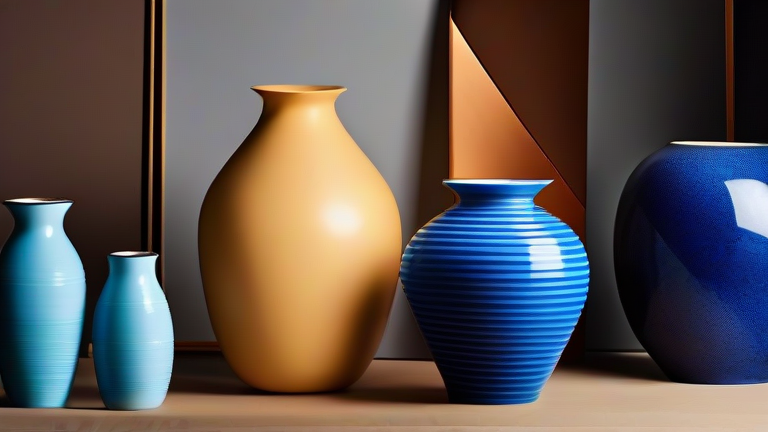
TL;DR: Porcelain vases are generally safe for indoor air quality because they are fired at high temperatures, which vitrifies the clay and glaze, making them chemically inert and low in volatile organic compounds (VOCs). However, avoid cheap, low-fired or hand-painted decorative pieces that may contain lead or cadmium in the glaze, and ensure you use them only with dry botanicals or sealed water reservoirs.
The Science of Fired Clay: Why Porcelain Is a Clean Choice
Unlike many plastic or resin home accessories, porcelain is a ceramic material formed from kaolin clay and fired at 1,200–1,400°C. At these extreme temperatures, organic matter is completely burned off, and the silica in the clay fuses into a non-porous, glass-like structure. This vitrification means that the finished vase does not off-gas formaldehyde, benzene, or other common indoor air pollutants found in adhesives or synthetic coatings. A 2021 review in *Indoor Air* noted that properly fired ceramics contribute negligible particulate matter (PM2.5) to the home environment, unlike candle soot or incense residue.
If you want to dig deeper, check out our guide on Handcrafted Porcelain Vases: Timeless Decor for Your Home.
Watch the Glaze: Lead and Cadmium Risks
The main health concern is not the porcelain body but the decorative glaze. High-quality, food-safe porcelain uses glazes that are lead-free and cadmium-free, especially if labeled “food-safe” or “lead-free.” However, some imported or artisan vases—especially those with bright red, orange, or yellow painted patterns—may contain heavy metals in the surface decor. These metals can leach into water if you use the vase as a fresh-cut flower holder. To be safe, either reserve decorative porcelain for dried stems or use a separate glass insert (a test tube or small jar) inside the vase to hold water, preventing direct contact between liquid and glaze.
Air Quality and Stagnant Water: The Hidden Issue
While the vase itself is inert, a porcelain vase with fresh water can become a breeding ground for mold and bacteria if left unattended for days. These microbes release microbial VOCs (MVOCs) that can irritate airways, especially in allergy-prone individuals. The fix is simple: change the water every 48 hours and wash the interior with hot, soapy water. Since porcelain is non-porous, it does not harbor bacteria in its walls like unglazed terracotta might, making it one of the most hygienic vase materials available.
Lifestyle Tips for a Healthier Display
Choose matte or unglazed porcelain for dry arrangements—these have a larger surface area but still release no harmful particles. For living flowers, pick a glazed vase with a narrow neck to reduce evaporation and microbial growth. Place vases away from direct sunlight, as UV can degrade some decorative overglazes, potentially releasing trace metals. Also, avoid placing porcelain vases near HVAC vents; rapid temperature changes can cause micro-cracks, though these are not a health hazard, they can trap dust.
FAQ
Q: Can a porcelain vase cause respiratory irritation like plastic vases do?
A: No. Porcelain is fired at high temperatures, making it chemically stable and virtually free of VOCs. It will not off-gas like PVC or polycarbonate. However, if the vase has a strongly scented floral water, the flowers themselves—not the vase—may release pollen or fragrance compounds that could trigger allergies.
Q: Is it safe to drink water that has been stored in a decorative porcelain vase?
A: Not recommended. Even if the glaze is lead-free, the vase is not designed for potable water storage. The interior may harbor residual dust or cleaning agents, and the narrow opening makes thorough rinsing difficult. Use only food-safe ceramic pitchers for drinking water.
Q: How do I test if my porcelain vase has lead in the glaze?
A: Use a home lead-testing swab kit (available at hardware stores) on the painted or colored areas. If it turns pink or red, do not use it with water. For a safer alternative, place
Leave a Reply