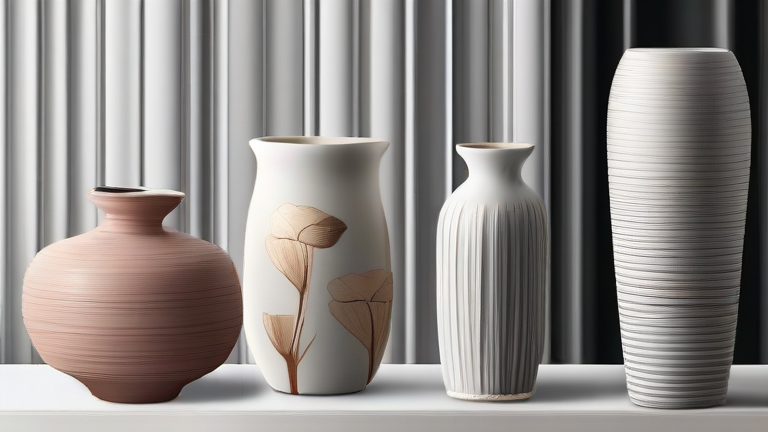
TL;DR: To care for porcelain vases, dust them weekly with a soft, dry microfiber cloth and wash only when necessary using lukewarm water, mild dish soap, and a soft sponge—never abrasive scrubbers. Always dry immediately and handle by the base, not the neck or rim, to prevent chips and cracks.
Step 1: Dust Regularly (Weekly)
Porcelain is a non-porous, glazed ceramic, but dust can settle into fine cracks or decorative relief work. Use a soft, dry microfiber cloth or a natural-bristle paintbrush to gently sweep the surface. For intricate patterns or raised gold detailing, use a soft makeup brush to reach crevices. Never use feather dusters—they can snag on glaze imperfections and scratch the surface.
If you want to dig deeper, check out our guide on **“Smart Kilns & AI Glazes: Tech Reshaping Porcelain Vase Ar.
Step 2: Wash Only When Necessary
If the vase has visible residue, fingerprints, or interior buildup, wash it—but not frequently. Fill a plastic or ceramic basin (never a metal sink) with lukewarm water (not hot, which can shock the glaze) and add 2–3 drops of mild, pH-neutral dish soap. Submerge the vase and use a soft cellulose sponge or a cotton cloth to wipe the exterior in circular motions. For the interior, use a long-handled bottle brush with soft bristles, but only if the opening is wide enough to avoid forced pressure.
Step 3: Rinse and Dry Immediately
Rinse thoroughly with lukewarm running water, tilting the vase to let water flow out of the opening. Do not soak for extended periods—porcelain can absorb water through any tiny, invisible cracks, leading to crazing (fine web-like cracks in the glaze). After rinsing, pat dry with a lint-free cotton towel, then air-dry upside down on a folded dishcloth for 30 minutes. Never use a hair dryer or place near heat—rapid temperature changes cause thermal shock.
Step 4: Handle with Two Hands and Support the Base
Always lift a porcelain vase with one hand under the base and the other supporting the body. Never grip the neck or rim—that’s the weakest point. When moving it, avoid dragging across surfaces; instead, lift straight up. For tall or heavy vases (over 12 inches), place a felt pad under the base to prevent scratches on furniture and to absorb vibration.
Step 5: Store and Display Safely
Display vases away from direct sunlight (UV rays fade painted designs) and away from high-traffic areas where they can be bumped. If storing, wrap each vase individually in acid-free tissue paper, then place in a sturdy box with bubble wrap at the bottom and sides. Do not stack vases inside each other—even glazed surfaces can chip each other.
Step 6: Repair Minor Chips Immediately
If you notice a small chip, do not use superglue—it’s too rigid and will crack further. Instead, use a two-part epoxy designed for ceramics, applied with a toothpick, then gently sand with 2000-grit wet/dry sandpaper after curing. For gold or hand-painted detailing, consult a professional restorer—DIY repairs can devalue the piece.
FAQ
Q: Can I put fresh flowers directly into my porcelain vase?
A: Yes, but always use a separate glass or plastic liner inside the vase. Water and plant bacteria can seep into porous areas of the porcelain base or cause mineral staining. If you must fill it directly, change the water every 2 days and rinse the interior with diluted white vinegar monthly.
Q: How do I remove stubborn stains or hard water marks from the inside?
A: Fill the vase with lukewarm water and add 2 tablespoons of baking soda. Let it sit for 30 minutes, then scrub with a soft bottle brush. For mineral rings near the rim, dip a cotton swab in white vinegar and rub gently—never use lemon juice or bleach, as acids can etch
Leave a Reply