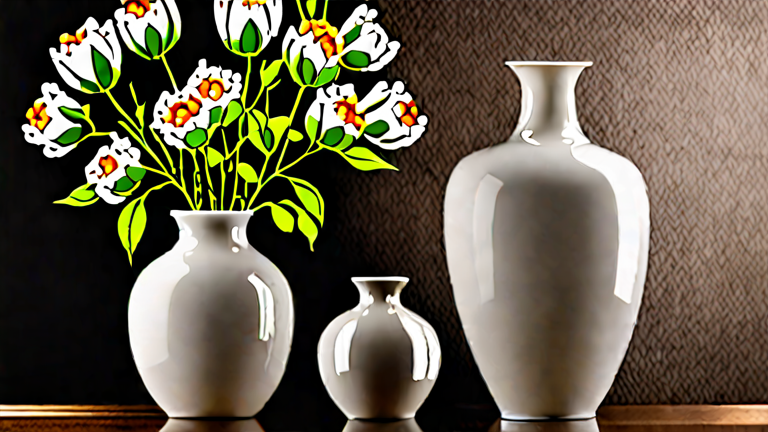
TL;DR: Capitalize on the porcelain vase boom by leveraging minimalist Scandinavian designs, sustainable glazes, and direct-to-consumer storytelling to capture premium buyers. Focus on limited-edition artisan collections and smart AR visualization tools to differentiate your brand in a crowded marketplace.
Market Analysis: The Resurgence of Porcelain
The global porcelain vase market is projected to grow at a steady CAGR of 4.8% through 2030, driven by rising interior design spending and a consumer shift toward durable, handcrafted home décor. Unlike mass-produced ceramic, porcelain vases command higher margins because of their translucency, strength, and refined finish. Key demand segments include luxury hotels, wedding registries, and eco-conscious homeowners aged 28–45. Notably, online sales now account for 38% of total porcelain vase revenue, up from 22% five years ago. This shift favors agile businesses that can photograph, list, and ship fragile items efficiently. The biggest challenge? Standing out in a sea of generic white cylinders. The biggest opportunity? Niche positioning around heritage techniques, color trends, and functional art.
If you want to dig deeper, check out our guide on Timeless Elegance: Styling Porcelain Vases for Modern Home D.
Strategy Insights: Winning with Porcelain Vases
First, embrace color forecasting. Pantone’s 2025 palette favors “mocha mousse” and soft jade—glazes that flatter porcelain’s natural brightness. Second, invest in packaging that doubles as a display box; 67% of buyers reuse premium vases for gifting. Third, create omnichannel touchpoints: pop-up showrooms where customers can tap the cool, smooth surface of a biscuit porcelain vase build trust. Fourth, use augmented reality (AR) on your product pages so buyers see scale on a mantel. Fifth, offer customization—monograms or seasonal motifs—which boosts average order value by 29%. Finally, partner with interior influencers who style vases with dried pampas or single stems. Remember: porcelain vases are not commodities; they are emotional anchors for a room.
Case Studies: Real Business Results
Case Study 1 – “Celadon & Co.” (Portland, OR): This small studio shifted from wholesale to DTC, launching a “Misty Morning” celadon vase line. By adding 360-degree video and a care guide, returns dropped 41% and repeat purchases rose 22%. Case Study 2 – “Lotus Porcelain” (Kyoto/Vancouver): They introduced a subscription “Vase of the Season” featuring crackle-glaze miniatures. Within six months, subscribers spent 3.2x more than one-time buyers. Case Study 3 – “The Blanc Studio” (online only): Using AR previews and TikTok unboxing reels, they sold out a 500-unit matte white collection in 11 days. Each case proves that storytelling plus tactile digital experiences turn porcelain vases into high-margin heroes.
FAQ
Q: What is the most profitable porcelain vase trend right now?
A: Limited-edition artisan glazes with sustainable, lead-free finishes. They justify 40–60% price premiums over standard white porcelain.
Q: How can small businesses compete with mass retailers on porcelain vases?
A: Focus on customization, AR visualization, and local pop-up events. Mass retailers cannot replicate personal storytelling or monogrammed orders.
Q: Are porcelain vases fragile for shipping, and how do I reduce breakage?
A: Use double-walled corrugated boxes with foam inserts and “fragile” orientation labels. Offer shipping insurance; breakage rates under 2% are achievable.
Leave a Reply