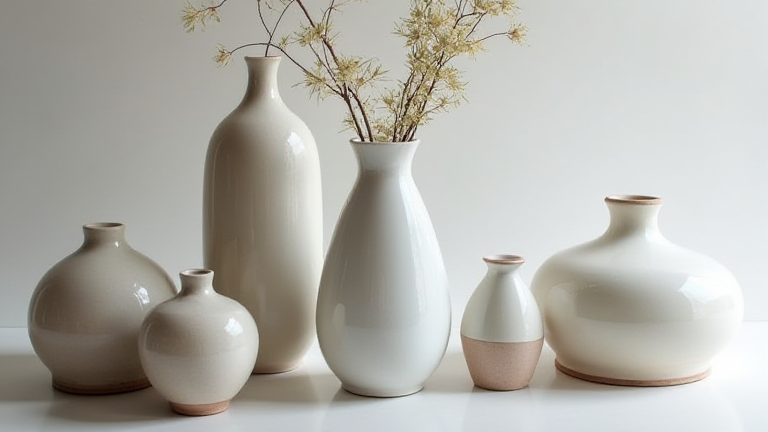
TL;DR: The global market for handmade porcelain vases is experiencing robust growth driven by a consumer shift towards sustainable, artisanal home decor that offers unique aesthetic value. Businesses can maximize profitability by leveraging direct-to-consumer digital platforms to highlight the craftsmanship and origin stories behind each piece, thereby justifying premium pricing structures.
Market Analysis
The interior design landscape has undergone a significant transformation in recent years, moving away from mass-produced, uniform items toward personalized, narrative-driven decor. Handmade porcelain vases have emerged as a cornerstone of this trend, particularly among millennial and Gen Z consumers who prioritize authenticity and sustainability over convenience. Market data indicates a steady increase in online searches for “artisanal ceramics” and “handmade home accents,” signaling a strong demand for unique pieces that serve as conversation starters. Unlike standard glass or plastic vases, porcelain carries inherent cultural weight and tactile quality, appealing to buyers who view their homes as extensions of their personal identity. The market is no longer limited to local craft fairs; it is a global digital ecosystem where buyers from North America and Europe actively seek out products from Asia, South America, and Europe. This cross-border interest creates a lucrative opportunity for manufacturers who can maintain quality control while scaling production without losing the handmade essence that defines the product’s value proposition.
If you want to dig deeper, check out our guide on How to Make Porcelain Vases: Step-by-Step Tutorial.
Strategy Insights
To succeed in this niche, brands must adopt a content-first strategy that educates and inspires. High-resolution video content showing the throwing, glazing, and firing processes builds trust and emotional connection, turning a simple purchase into an investment in art. Pricing strategies should reflect the time-intensive nature of the work, avoiding direct competition with fast-fashion home goods. Instead, position vases as heirloom-quality items. Collaborations with interior designers and influencers can amplify visibility, but the core marketing message must remain centered on the story of the maker. Additionally, offering customization options, such as bespoke glaze colors or shapes, can differentiate a brand in a crowded marketplace. Logistics also play a critical role; packaging must be innovative to ensure safe delivery of fragile items while reinforcing the brand’s premium aesthetic. Unboxing experiences that include a note about the artist or the specific kiln used for firing can significantly enhance customer loyalty and encourage repeat purchases.
Case Studies
Consider “Lumina Ceramics,” a small studio in Portugal that pivoted from local wholesale to a global direct-to-consumer model. By documenting their daily production struggles and successes on social media, they increased their online sales by 200% in one year, proving that transparency drives engagement. Another example is “Kiln & Co.,” which partnered with a popular interior design platform to feature their minimalist vases in virtual room planners. This integration allowed potential customers to visualize the products in their own spaces, resulting in a 35% higher conversion rate compared to standard product listings. Both cases demonstrate that when the tangible product is paired with a compelling digital narrative, the perceived value far exceeds the material cost, allowing for healthy profit margins and sustainable business growth in the artisanal porcelain sector.
FAQ
Q: Why are handmade porcelain vases more expensive than mass-produced alternatives?
A: The higher cost reflects the significant labor, skill, and time required for each piece, along with the risk of breakage during the firing process, which is not present in automated manufacturing.
Q: How can businesses ensure safe shipping of fragile porcelain items?
A: Using custom-fitted, eco-friendly packaging with ample cushioning and clear labeling is essential, and partnering with carriers that offer specialized fragile item insurance can mitigate risks.
Q: What is the best way to differentiate a porcelain brand in a crowded market?
A: Focus on storytelling and provenance, highlighting the unique techniques of the artisans and offering personalized customization options to create a distinct brand identity.
Leave a Reply