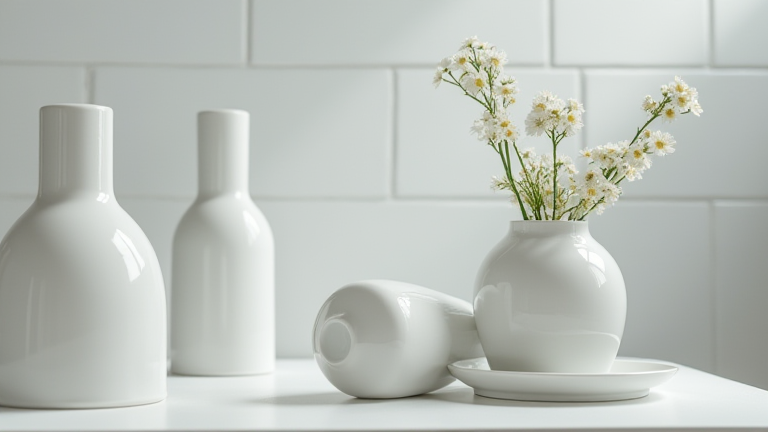
TL;DR: Clean porcelain vases regularly using warm water, mild detergent, and a soft cloth to prevent bacterial buildup and mold growth. Avoid harsh abrasives or extreme temperature shocks that can crack the glaze and create harbors for pathogens.
The Hidden Risks of Neglected Porcelain
Porcelain vases are often viewed as static decorative elements, but in health and wellness terms, they are dynamic surfaces that interact with your home environment. Unlike plastic or metal, glazed porcelain is non-porous, which sounds beneficial for hygiene. However, if the glaze is damaged, or if water stagnates inside the vessel, it becomes a breeding ground for microorganisms. Scientific studies on indoor air quality suggest that stagnant water in decorative vessels can significantly increase humidity levels, promoting the growth of mold spores and bacteria such as Legionella or Staphylococcus aureus. These pathogens can become airborne, potentially affecting respiratory health, especially in individuals with asthma or compromised immune systems. Therefore, maintaining strict hygiene protocols for porcelain vases is not merely an aesthetic concern; it is a critical component of a healthy living environment.
If you want to dig deeper, check out our guide on Handcrafted Porcelain Vases: Timeless Elegance for Your Home.
Science-Backed Cleaning Protocols
Effective cleaning requires a balance between thorough disinfection and preserving the structural integrity of the porcelain. Begin by removing all water and floral stems. Use a mixture of warm water and a pH-neutral dish soap. Apply this solution with a soft microfiber cloth or a long-handled brush designed for delicate ceramics. For the interior, where mold thrives, use a vinegar solution. White distilled vinegar is a natural acid that effectively kills mold and neutralizes odors without leaving harmful chemical residues. Soak the interior with a 1:1 water-to-vinegar solution for at least thirty minutes. This dwell time is crucial, as it allows the acetic acid to penetrate biofilms that soap alone cannot remove. After soaking, rinse thoroughly with clean water. It is vital to dry the vase completely, both inside and out, using a lint-free cloth. Residual moisture is the primary catalyst for future microbial growth. If you notice any chips or cracks in the glaze, replace the vase immediately. Damaged glaze exposes the underlying porous clay, which can absorb water and harbor bacteria that cannot be removed by surface cleaning.
Lifestyle Tips for Long-Term Wellness
Integrate vase hygiene into your weekly cleaning routine to prevent the accumulation of organic matter. Rotate your floral arrangements frequently, and always change the water in the vase to prevent the buildup of bacteria from decaying plant matter. Consider using a vase liner or a smaller inner vessel if you are using large, difficult-to-clean porcelain pieces. This allows for easy removal and washing of the water-holding component. Furthermore, place your vases away from direct sunlight and heat sources. Extreme temperature fluctuations can cause thermal shock, leading to micro-fractures in the porcelain. These tiny fissures are invisible to the naked eye but can trap moisture and contaminants. By adopting these proactive measures, you ensure that your decorative elements contribute to a cleaner, safer, and more aesthetically pleasing home, supporting both your visual well-being and your physical health.
FAQ
Q: Can I use bleach to clean my porcelain vase?
A: No, bleach is too harsh for glazed porcelain and can degrade the glaze over time, making the vase more porous and prone to bacterial growth. Vinegar is a safer, effective alternative.
Q: How often should I deep clean the interior of a vase?
A: You should deep clean the interior weekly if it holds water, or immediately after removing fresh flowers to prevent mold and bacterial buildup.
Q: Is it safe to put a cracked porcelain vase in the dishwasher?
A: No, a cracked vase should be discarded. The crack can absorb water and bacteria, and the high heat and pressure of a dishwasher can cause the vase to shatter, posing a safety risk.
Leave a Reply