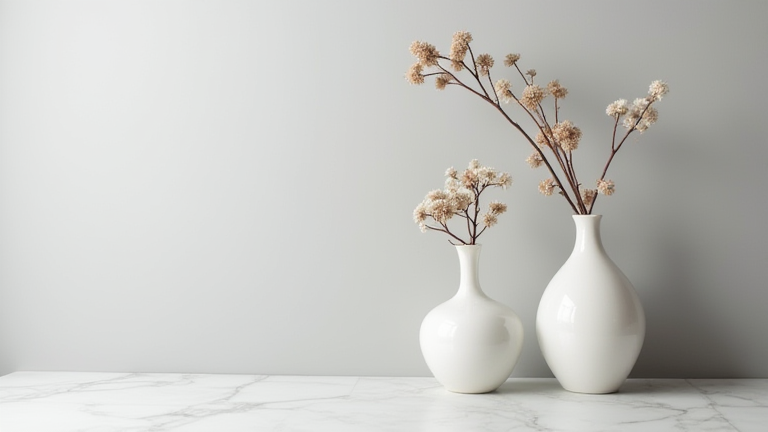
Porcelain Vases & Health: Is It Safe? Air Quality & Care Tips
TL;DR: High-quality porcelain vases are generally safe for indoor use as they are non-porous and do not off-gas volatile organic compounds when unglazed or properly glazed. However, you must ensure the glaze is lead-free and clean the surface regularly to prevent the accumulation of dust and mold, which can negatively impact respiratory health.
Many homeowners appreciate the aesthetic elegance of porcelain vases, yet questions often arise regarding their impact on indoor air quality. Unlike some synthetic materials that may release formaldehyde or other VOCs, porcelain is a ceramic material fired at high temperatures. This process creates a hard, glass-like surface that is chemically inert. When you bring a porcelain vase into your living space, you are not introducing a source of chemical pollution. Instead, the vase serves as a decorative element that, if cared for correctly, supports a healthier home environment by allowing you to display fresh flowers without the need for plastic containers that might leach chemicals into water over time.
If you want to dig deeper, check out our guide on Porcelain Vase Care: Tips for a Healthy Home & Air.
Understanding Material Safety and Lead Concerns
The primary safety concern associated with decorative ceramics is the potential presence of lead in glazes. Historically, lead-based glazes were used to achieve vibrant colors and a glossy finish. While modern manufacturing standards in many countries strictly regulate lead content in food-contact items, decorative items like vases may not always meet the same rigorous safety thresholds. If a vase is used solely for decoration and not for holding food or water, the risk of lead exposure is minimal because there is no ingestion pathway. However, if you plan to use the vase for fresh water or if you have small children who might mouth objects, it is crucial to verify that the product is labeled as lead-free. Reputable manufacturers provide clear labeling regarding material composition. If you are unsure, avoid using unverified vintage or imported vases for water storage. Stick to those explicitly marketed as safe for home decor to eliminate any risk of heavy metal leaching, even in trace amounts, into your living environment.
Impact on Indoor Air Quality
Indoor air quality is heavily influenced by the materials present in your home. Porcelain vases do not emit volatile organic compounds, making them a neutral or positive addition to air quality. The real risk comes from neglect. Porcelain surfaces can accumulate dust, pollen, and pet dander. If these allergens are left undisturbed for extended periods, they can become airborne when the vase is moved or touched, potentially triggering asthma or allergies. Furthermore, if a vase holds stagnant water, it becomes a breeding ground for bacteria and mold. Mold spores are a significant respiratory irritant. To maintain good air quality, ensure that any water in the vase is changed every two to three days. Use a clean container for fresh water and dispose of old water promptly. This simple habit prevents the growth of harmful microorganisms that could otherwise compromise the health of your household members.
Best Practices for Cleaning and Maintenance
Proper care of your porcelain vases ensures both longevity and safety. Begin by removing the vase from its display area and rinsing it with warm water. For routine cleaning, use a mild dish soap and a soft, non-abrasive sponge. Avoid harsh chemical cleaners or abrasive scouring pads, as these can damage the glaze and potentially create micro-scratches that trap dirt. For deeper cleaning, a solution of one part white vinegar to three parts water can help remove mineral deposits and kill surface bacteria. Rinse thoroughly and allow the vase to air dry completely before refilling it with water or returning it to display. Regular maintenance not only preserves the aesthetic appeal of the porcelain but also ensures that the item remains a hygienic addition to your home. By adopting these simple, science-backed habits, you can enjoy the beauty of porcelain vases while safeguarding your family’s health and maintaining optimal indoor air quality.
FAQ
Q: Can I use any porcelain vase for drinking water?
A: Only use vases explicitly labeled as food-safe or lead-free for holding drinking water, as decorative glazes may contain trace amounts of heavy
Leave a Reply