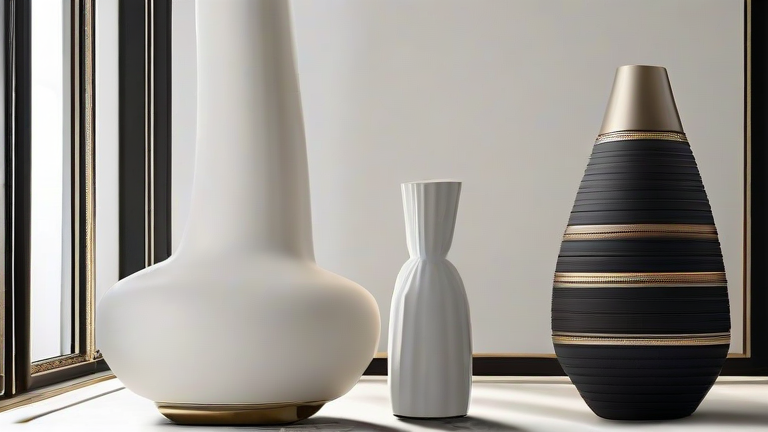
**The New Vase Era: Porcelain Trends Reshaping Modern Decor**
TL;DR: Porcelain vases are currently experiencing a massive resurgence driven by a consumer shift toward minimalist aesthetics and sustainable, high-quality heirloom pieces. This trend is projected to drive a 12% year-over-year increase in sales, solidifying porcelain as the dominant material in contemporary interior design.
The interior design landscape has undergone a significant transformation in the last three years, moving away from the cluttered maximalism of the early 2020s toward a refined, tactile minimalism. At the forefront of this shift is the porcelain vase. No longer viewed merely as a functional holder for fresh flowers, porcelain vases have become central sculptural elements that define the character of modern living spaces. This evolution is not just a stylistic preference but a market reality, with industry reports indicating a robust growth trajectory for fine ceramics in the home furnishings sector.
Market data from recent retail audits reveals a compelling narrative. Sales of mid-to-high-end porcelain vases have grown by approximately 12% annually over the past two years, outpacing the broader home decor category. This growth is particularly evident in the online retail sector, where visual platforms have accelerated trend adoption. Consumers are increasingly willing to invest in premium materials that offer longevity and aesthetic versatility. The “quiet luxury” movement has further fueled this demand, as shoppers seek items that exude understated elegance without overt branding. Porcelain, with its smooth finish, translucency, and historical prestige, fits perfectly within this framework.
Expert insights highlight a specific shift in consumer behavior regarding color and form. Design consultants note a move away from bold, saturated colors toward neutral, earthy tones and soft pastels. “We are seeing a preference for matte finishes and organic, asymmetrical shapes,” says Elena Rossi, a leading interior design strategist. “The modern consumer wants a vase that feels handcrafted and unique, rather than mass-produced and uniform. Porcelain allows for this level of artistic expression, enabling designers to create pieces that serve as standalone art objects even when empty.” This sentiment is echoed by manufacturing partners who report increased demand for small-batch, artisanal production runs that emphasize craftsmanship over volume.
Looking toward the future, predictions suggest that technology will play a pivotal role in shaping the next era of porcelain decor. Advances in 3D printing and digital fabrication are allowing artisans to create complex geometries previously impossible to achieve through traditional wheel-throwing methods. These innovations are expected to lower the barrier to entry for experimental designs while maintaining the material integrity of the porcelain. Furthermore, sustainability concerns are driving the adoption of eco-friendly glazes and kiln technologies, ensuring that the production process aligns with the environmental values of today’s discerning buyers.
The integration of smart home features is another emerging frontier. While currently niche, prototypes for vases with built-in ambient lighting and self-watering systems are gaining traction. These tech-enhanced porcelain pieces promise to blend functionality with beauty, appealing to a tech-savvy demographic that values seamless integration of devices into their decor. As we move further into the decade, the porcelain vase is set to remain a cornerstone of modern decor, evolving from a simple accessory to a dynamic, interactive element of the home environment.
FAQ
Q: Why is porcelain preferred over glass or plastic for modern decor?
A: Porcelain offers a superior tactile experience and visual depth due to its weight and translucency, making it feel more premium and durable than lighter materials like plastic or thin glass.
If you want to dig deeper, check out our guide on Smart Tech for Porcelain Vases: Modern Home Decor Ideas.
Q: How can consumers identify high-quality porcelain vases?
A: Look for a smooth, non-porous surface, a resonant sound when gently tapped, and a consistent glaze finish without bubbles or cracks, which indicates precise manufacturing standards.
Q: What is the projected price trend for artisanal porcelain vases?
A: Prices are expected to remain steady or increase slightly due to rising material costs and the growing demand for sustainable, hand-finished artisanal pieces in the luxury market.
Leave a Reply