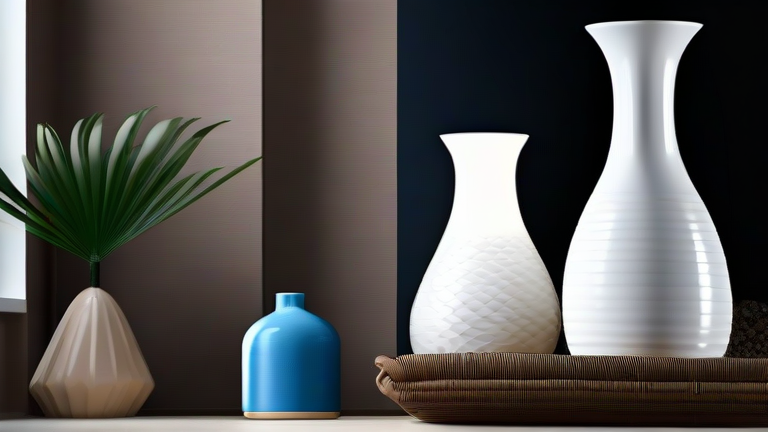
TL;DR: Porcelain vases are generally safe for home decor, but hidden risks like lead in glazes, heavy weight, and bacteria in stagnant water can affect your health. Choose food-safe, lead-free certified porcelain, secure tall vases, and refresh water daily to keep your space both beautiful and healthy.
Why Your Porcelain Vase Could Be a Hidden Health Hazard
Porcelain, fired at high temperatures, is one of the most inert materials used in home goods. However, the glaze—the shiny, glass-like coating—is where problems can arise. Older or cheaply made vases may use lead-based glazes to achieve bright colors or a smooth finish. When you place fresh flowers or water inside, trace amounts of lead can leach into the water, especially if the vase has any micro-cracks or if the water is acidic (e.g., from citrus or certain flower food). Over time, chronic low-level lead exposure is linked to cognitive decline and blood pressure issues. Science-backed advice: only purchase vases labeled “lead-free” or “food-safe” from reputable brands. You can also buy a home lead-testing swab kit—dab it on the inside and outside of the vase. If it turns red, repurpose it as a dry decorative piece, never with water.
If you want to dig deeper, check out our guide on DIY Porcelain Vase Tutorial: Step-by-Step Guide.
Heavy Lifting: Preventing Muscle Strain and Accidents
Large, statement porcelain vases are gorgeous but can weigh 10–20 pounds empty, and more with water and flowers. Lifting or moving them repeatedly can strain your lower back and wrists, especially if you have arthritis. Lifestyle tip: use a two-hand grip and bend at your knees, not your waist. Better yet, place a non-slip felt pad under the vase and slide it instead of lifting. For floor vases, choose a wide, heavy base for stability—this prevents tipping that could shatter porcelain, sending sharp shards across the floor (a cut risk) and forcing you to bend awkwardly during cleanup. If you have pets or toddlers, secure tall vases with a museum putty (clear, removable adhesive) to anchor them to shelves or tables.
Microbiome in the Vase: Bacteria, Mold, and Allergens
Stagnant water in a porcelain vase is a breeding ground for Pseudomonas and mold spores, which can trigger allergies or respiratory irritation—especially in sensitive individuals. A 2019 study in Indoor Air found that flower water can contain up to 10,000 times more bacteria than toilet water after three days. Safe practice: change the water every 24–48 hours, and wash the vase with hot, soapy water weekly. For narrow-necked vases, use a bottle brush with a vinegar rinse (1 part white vinegar to 3 parts water) to dissolve mineral deposits and biofilm. Allow it to air dry completely before storing. If you notice a slimy film inside, that’s bacterial growth—do not just add more water; clean it thoroughly.
Air Quality and Fragrance: What You Put Inside Matters
Porcelain itself does not off-gas VOCs, but certain flower food packets contain chemicals like citric acid and bleach. These are safe in small doses, but if you have asthma, the chlorine odor can be irritating. Instead, make your own flower food: 1 teaspoon sugar, 2 drops of bleach, and 1 teaspoon lemon juice per quart of water. Also, avoid using porcelain vases for essential oil diffusers—the porous unglazed base (if any) can absorb oils and become rancid, promoting mold. Keep your vase on a stable, heat-resistant surface away from direct sunlight, which can degrade the glaze and increase leaching if it’s low-quality.
FAQ
Q: Can I use a vintage porcelain vase for fresh flowers safely?
A: Not without testing. Vintage or antique vases (pre-1980s) often contain lead in their glazes. Do a home lead swab test on the interior. If it tests positive, use it only for dried flowers or as a decorative object
Leave a Reply