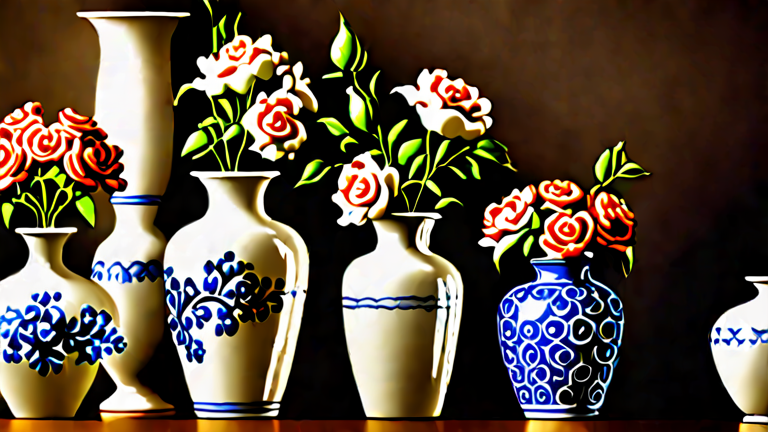
5 Tips to Sell Vintage Porcelain Vases: Pricing & Care Guide
TL;DR: Accurately price vintage porcelain vases by researching comparable sales and authenticating marks before listing. Prioritize meticulous cleaning and secure packaging to preserve value and ensure safe delivery to buyers.
The antique market is experiencing a significant resurgence, with collectors increasingly seeking unique, handcrafted pieces that offer both aesthetic appeal and historical provenance. Among these treasures, vintage porcelain vases stand out as high-demand items. However, navigating the complexities of valuation, care, and sales channels requires a strategic approach. This guide provides actionable insights for sellers looking to maximize their returns while maintaining the integrity of these delicate artifacts. Understanding the current market dynamics is the first step toward successful transactions in this niche sector.
If you want to dig deeper, check out our guide on Porcelain Vase Business: How to Build a Successful Brand.
Market Analysis and Current Trends
Recent data indicates a steady rise in demand for mid-century and early 20th-century porcelain pieces. Collectors are particularly interested in vases featuring intricate hand-painted designs, such as those from Meissen, Sèvres, or Wedgwood. The market favors items with clear provenance, meaning a documented history of ownership or origin. According to recent auction reports, rare floral patterns and limited-edition releases have seen price increases of up to 20% over the past two years. Conversely, mass-produced items from the late 20th century remain saturated, requiring aggressive pricing strategies to move inventory. Sellers must distinguish between true antiques and later reproductions, as the former commands significantly higher premiums. Understanding these nuances allows sellers to target the right audience, whether they are institutional collectors or individual enthusiasts seeking statement pieces for interior design.
Strategy Insights for Effective Sales
Effective sales strategies hinge on accurate authentication and compelling storytelling. Start by examining the base of the vase for maker’s marks, dates, and signatures. Use reputable reference books or online databases to verify authenticity. Once authenticated, create a detailed listing that includes high-resolution photographs of all angles, focusing on any minor imperfections like hairline cracks or glaze wear. Transparency builds trust and reduces the likelihood of returns. Additionally, consider the narrative behind the piece. Was it part of a famous collection? Did it travel from Europe to the States in the 1920s? These details add emotional value. Diversify your sales channels by listing on specialized antique platforms, local consignment shops, and social media groups dedicated to collectibles. Each channel reaches a different demographic, maximizing your potential buyer pool. Finally, price competitively by analyzing recent sales of similar items on major auction sites. Adjust your price dynamically based on interest and time on the market.
Case Studies in Success
Consider the case of a seller in Boston who discovered a set of four Limoges vases in an estate sale. Initially, they assumed the items were worth little. However, after consulting with a local appraiser, they identified rare blue and gold accents that indicated a limited production run. By highlighting these features and providing historical context, the seller listed the set on a high-end antique marketplace. Within two weeks, the vases sold for 300% above their initial estimated value. Another example involves a seller in New York who struggled to sell a cracked Ming dynasty replica. Instead of discarding it, they marketed it as a “repairable art piece” with a significant discount. An artisan buyer purchased it specifically for the restoration project, resulting in a sale that would not have occurred otherwise. These examples demonstrate the importance of flexibility and deep market knowledge.
Care and Presentation Tips
Proper care is essential to maintain value. Clean vintage porcelain gently using a soft, dry cloth. Avoid abrasive cleaners or soaking, which can damage aged glazes and weaken structural integrity. If dust is present, use a soft brush to remove particles. For storage, wrap each vase individually in acid-free tissue paper and place them in padded boxes. Ensure they are stored in a climate-controlled environment to prevent thermal shock, which can cause cracking. When preparing for sale, present the vases in a clean, well-lit area. Use neutral backgrounds to highlight the colors and patterns. This professional presentation signals to buyers that the item has
Leave a Reply