Blog

  • Handmade Porcelain Vases: 10 Elegant Styles for Your Home

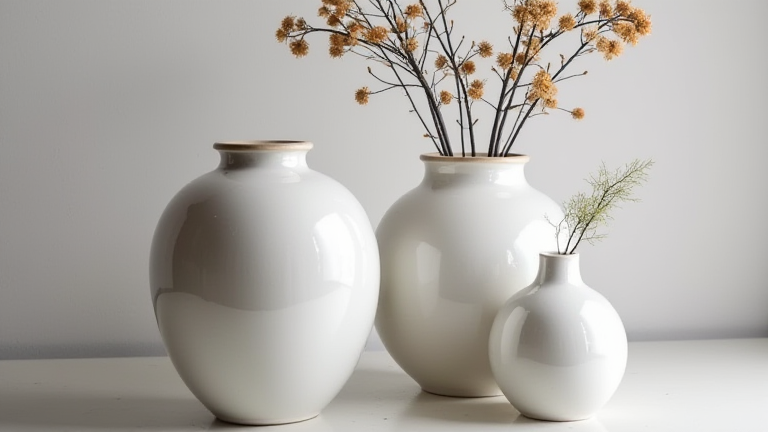
    TL;DR: Handmade porcelain vases come in ten standout styles—from minimalist cylinder and bottle shapes to sculptural fluted and faceted designs—each offering a unique blend of artisan craftsmanship and timeless elegance. Below, we compare the top ten options by form, glaze, and best placement so you can choose the perfect vase for your home.

    Porcelain has been prized for centuries for its luminous translucency, delicate strength, and ability to hold intricate detail. Handmade porcelain vases elevate those qualities further, since each piece carries the subtle variations of a potter’s hand—slightly uneven rims, softly pooled glazes, and forms that feel organic rather than machine-perfect. If you are searching for a vase that doubles as art, these ten elegant styles deserve a closer look.

    If you want to dig deeper, check out our guide on 10 Stunning Porcelain Vase Ideas to Elevate Your Home Decor.

    Feature Highlights of Handmade Porcelain Vases

    Most artisan porcelain vases share several key traits. First, high-fired porcelain (often 1,200–1,400°C) makes the body non-porous, so it holds water without seeping. Second, food-safe and lead-free glazes are common, especially in matte white, celadon, and soft blush finishes. Third, many are wheel-thrown or slip-cast in small batches, meaning no two are identical. Finally, thoughtful details—felted bases, reinforced necks, and narrow openings for single stems—add everyday practicality.

    The 10 Elegant Styles Compared

    1. Classic Bottle: tall, narrow neck; ideal for a single branch or rose. 2. Minimalist Cylinder: clean lines; best for modern shelves. 3. Fluted Column: carved vertical ridges; catches light beautifully. 4. Faceted Bud Vase: geometric planes; perfect for nightstands. 5. Bulbous Moon Jar: round, soft silhouette; a statement on its own. 6. Tapered Trumpet: flared rim; suits loose, wild bouquets. 7. Ribbed Lantern: horizontal bands; pairs well with candles. 8. Asymmetric Organic: slanted mouth; contemporary and sculptural. 9. Two-Tone Glazed: dipped color gradients; adds visual depth. 10. Pierced Lattice: cut-out patterns; decorative even when empty.

    When comparing, consider scale: bud vases (under 6 inches) work on desks, while moon jars and trumpet vases (10–14 inches) anchor dining tables. Matte glazes hide water spots; glossy glazes reflect more light. Narrow necks demand fewer stems; wide mouths need floral foam or a frog. For durability, all ten styles are equally strong, but pierced lattice designs should be handled gently.

    Bring Artisan Beauty Home

    Ready to upgrade your space? Start with one hero piece—a moon jar for the living room or a faceted bud vase for the bedroom—then layer in smaller styles. Handmade porcelain vases reward you with daily beauty and lasting craft. Choose your favorite style today and let your flowers, branches, or even empty shelves shine.

    FAQ

    Q: Are handmade porcelain vases waterproof?
    A: Yes, when high-fired and fully glazed inside, they hold water safely; unglazed exteriors are fine as long as the interior is sealed.

    Q: How do I clean and care for a porcelain vase?
    A: Hand wash with warm water and mild soap, avoid abrasive sponges, and dry immediately to protect the glaze and any metallic accents.

    Q: Which style is best for a small space?
    A: Faceted bud vases and minimalist cylinders work best, as their compact footprints fit shelves, desks, and narrow windowsills without crowding.
    Related Articles

  • 10 Ways Porcelain Vases Elevate Your Everyday Lifestyle

    TL;DR: Porcelain vases transform mundane domestic spaces into curated cultural experiences by bridging the gap between functional utility and artistic expression. They serve as tangible anchors for mindfulness, encouraging a slower, more intentional approach to daily living through the ritual of arrangement and aesthetic appreciation.

    The Alchemy of Stillness

    In a world dominated by the relentless speed of digital notifications and rapid consumption, the modern lifestyle often suffers from a lack of tactile grounding. Porcelain vases offer a sophisticated solution to this sensory void. Unlike plastic or mass-produced glass, porcelain possesses a unique thermal and visual weight that commands attention without demanding it. When you select a high-quality porcelain vessel for your living room or kitchen counter, you are not merely purchasing a container; you are inviting a centuries-old tradition of craftsmanship into your personal narrative. This object becomes a focal point that slows down the eye, encouraging a moment of pause and reflection in the midst of your busy schedule.

    If you want to dig deeper, check out our guide on Handmade Porcelain Vases: Timeless Elegance for Your Home.

    Cultivating a Personal Aesthetic

    One of the most profound ways porcelain elevates your lifestyle is by allowing you to curate a visual identity that reflects your personal growth. The sheer variety of forms, from minimalist cylindrical shapes to ornate, hand-painted traditional designs, allows you to experiment with different moods. A stark white vase against a dark wall can evoke a sense of modern clarity, while a glazed blue piece might inspire a feeling of calm depth. This process of selection is a form of self-discovery. As your tastes evolve, so does your collection. Each new piece tells a story of a specific phase in your life, turning your home into a living museum of your aesthetic journey. It transforms the act of home decor from a temporary trend into a long-term investment in personal expression.

    The Ritual of Arrangement

    Food and travel often dictate our leisure time, but the ritual of arranging flowers in a porcelain vase offers a daily micro-adventure that requires no passport. Whether you are picking wildflowers from a local park or selecting seasonal blooms from a farmers market, the act of arranging them is a meditative practice. The smooth, cool surface of the porcelain provides a tactile contrast to the organic, fragile nature of the stems. This interaction fosters a deeper connection to the natural world, grounding you in the present moment. It is a simple, yet powerful, form of personal growth that emphasizes patience, observation, and care. You learn to appreciate the temporary beauty of the blooms while finding comfort in the enduring presence of the vessel.

    Global Connections Through Local Artifacts

    Porcelain has a rich history of trade and cultural exchange, making each vase a bridge to global heritage. Owning a piece from a specific region allows you to engage with the cultural nuances of its origin. You might learn about the firing techniques used in Jingdezhen or the minimalist aesthetics of Japanese wabi-sabi. This knowledge adds a layer of intellectual depth to your daily environment. It turns a simple object into a conversation starter and a source of cultural education. By integrating these artifacts into your everyday life, you create a home that is not just aesthetically pleasing but also intellectually stimulating and culturally rich.

    FAQ

    Q: Why are porcelain vases better than plastic for daily use?
    A: Porcelain offers superior durability and a premium aesthetic that enhances interior design, whereas plastic often appears cheap and can degrade over time, failing to provide the same sensory satisfaction or long-term value.

    Q: Can I use a porcelain vase for dry arrangements?
    A: Yes, many modern porcelain vases are designed with sealed interiors or are simply used for decorative dry branches and grasses, which adds a unique textural contrast to the smooth ceramic surface.

    Q: How do I maintain the shine of my porcelain vase?
    A: To maintain its luster, gently wipe the exterior with a soft, dry cloth to remove dust, and avoid abrasive cleaners that could scratch the glaze, ensuring the vessel remains a pristine focal point in your home.

    Related Articles

  • Timeless Porcelain Vases: Elevate Your Living Space

    Timeless Porcelain Vases: Elevate Your Living Space

    TL;DR: Timeless porcelain vases serve as enduring artistic anchors that instantly elevate interior aesthetics through their delicate craftsmanship and neutral elegance. By selecting pieces with historical significance or minimalist design, you create a sophisticated focal point that transcends temporary trends and enhances the overall serenity of your home.

    Interior design trends come and go with the seasons, but the allure of fine porcelain remains a constant in the world of high-end decor. Unlike mass-produced glass or plastic alternatives, a genuine porcelain vase carries a weight of history and artistry that transforms a simple shelf or console table into a curated gallery. This material, known for its translucency and pristine white finish, reflects light in a way that adds depth and luminosity to any room, making it a powerful tool for personal growth through environmental harmony.

    If you want to dig deeper, check out our guide on 1. Porcelain Vase Tutorial: Step-by-Step Guide for Beginners.

    The Art of Curation

    Choosing the right porcelain vase is not just about aesthetics; it is an exercise in cultural appreciation. Whether you are drawn to the intricate blue-and-white patterns of traditional Chinese Jingdezhen ware or the stark, sculptural lines of modern Japanese minimalist designs, each piece tells a story. Incorporating these items into your home encourages a slower, more intentional approach to living. It invites you to pause and appreciate the fine details, from the delicate rim of a teacup-shaped vase to the subtle glaze variations that occur during the firing process. This mindful curation contributes to a sense of calm and order, reducing visual clutter and promoting mental well-being.

    From a lifestyle perspective, porcelain vases offer versatility that few other decorative items can match. They can be used in a traditional setting to hold fresh seasonal blooms, connecting you with nature and the changing rhythms of the year. Alternatively, they can stand alone as sculptural objects, emphasizing the beauty of empty space and form. In a modern loft, a large, unadorned white porcelain urn can balance the industrial rawness of exposed brick and steel. In a classic Victorian study, a delicate, hand-painted vase might complement antique furniture and rich wood tones. This adaptability ensures that your investment in fine porcelain remains relevant and beautiful for decades, if not generations.

    Care and Longevity

    One of the primary reasons to choose porcelain over other materials is its durability and ease of care. While it requires gentle handling to avoid chipping, a high-quality porcelain vase is incredibly resistant to stains and moisture. This makes it ideal for humid environments like bathrooms or kitchens, where other materials might degrade. To maintain their luster, simply wipe them down with a soft, dry cloth. Avoid harsh chemical cleaners that can damage the glaze over time. By treating these pieces with respect, you are not only preserving a valuable object but also engaging in a ritual of care that reinforces the value of ownership and stewardship.

    Furthermore, collecting porcelain vases can be a gateway to broader cultural exploration. It may inspire you to learn about the history of ceramics, visit museums dedicated to Asian art, or travel to regions famous for their pottery. This journey of discovery enriches your personal life, connecting your home decor to a global heritage of craftsmanship. It turns a simple decorative choice into an educational and spiritual practice, fostering a deeper connection to the objects that surround you.

    FAQ

    Q: How do I determine if a porcelain vase is authentic and high-quality?
    A: Look for a smooth, glossy glaze with no visible pinholes or bubbles. Tap the vase gently; high-quality porcelain produces a clear, ringing sound, whereas lower-quality materials sound dull. Additionally, check for a maker’s mark or signature on the bottom, which often indicates the origin and artisan.

    Q: Can porcelain vases be used for outdoor display?
    A: While porcelain is durable, it is generally best kept indoors to protect it from extreme temperature fluctuations and direct UV light, which can cause fading or thermal shock. If you wish to display it outdoors, choose a sheltered, covered porch area and ensure the vase is made from frost-proof stoneware or high-grade porcelain.

    <strong

    Related Articles

  • Porcelain Vases & Health: Safe Materials, Air Quality

    TL;DR: Porcelain vases are generally safe for indoor air quality when made from lead-free materials and properly glazed. To ensure your home remains a healthy sanctuary, select certified non-toxic ceramics and maintain them with regular cleaning to prevent dust and mold accumulation.

    The Silent Guardian of Indoor Air

    Indoor air quality significantly impacts respiratory health and overall well-being. Many people overlook inorganic objects like vases as potential sources of particulate matter or chemical off-gassing. Porcelain, a high-fired ceramic, offers a stable and inert alternative to porous materials. Unlike unglazed clay or low-fired ceramics, high-quality porcelain does not absorb moisture easily, reducing the risk of mold growth within the material itself. However, safety depends heavily on the manufacturing process and the specific glazes used. Consumers should prioritize vases labeled as “lead-free” and “cadmium-free,” especially if they are using them for food or if they have small children or pets in the household. Modern industrial porcelain standards have improved dramatically, making these decorative items a low-risk choice for most modern interiors.

    If you want to dig deeper, check out our guide on 7 Ergonomic Standing Desks That Reduce Neck Pain.

    Material Safety and Chemical Leaching

    One of the primary health concerns associated with ceramic vases is the potential leaching of heavy metals from the glaze. Older or poorly regulated products may contain lead or cadmium, which can migrate into the environment if the glaze is acidic or damaged. To mitigate this risk, always purchase from reputable manufacturers who provide compliance documentation. Additionally, avoid using porous, unglazed porcelain for holding water, as trapped moisture can encourage bacterial growth that later disperses into the air when the vase is moved. If you are repurposing antique vases, consider having them professionally tested or applying a food-safe, non-toxic sealant to the interior to create a barrier between the water and the ceramic surface. This simple step ensures that the aesthetic appeal of your decor does not come at the cost of your health.

    Maintenance for a Healthy Home

    Proper maintenance is crucial for keeping porcelain vases hygienic. Dust accumulation on the exterior can trap allergens such as pollen and pet dander. Regularly dusting your vases with a microfiber cloth helps prevent these particles from becoming airborne when the item is moved. For vases that hold fresh flowers, replace the water every two to three days and rinse the interior thoroughly to prevent biofilm formation. Biofilm harbors bacteria that can release volatile organic compounds (VOCs), contributing to stale air and potential respiratory irritation. By adopting these simple hygiene practices, you ensure that your porcelain vases remain beautiful, safe, and conducive to a clean, healthy living environment.

    FAQ

    Q: Are all porcelain vases safe for indoor air quality?
    A: Not necessarily; safety depends on the glaze composition. Always choose lead-free, cadmium-free, and non-toxic certified products to avoid chemical off-gassing.

    Q: Can porcelain vases harbor mold or bacteria?
    A: While the porcelain itself is non-porous, standing water inside the vase can promote bacterial growth. Regularly changing water and cleaning the interior prevents this issue.

    Q: How should I clean a porcelain vase to maintain air quality?
    A: Dust the exterior with a microfiber cloth to remove allergens and rinse the interior with mild soap and water to eliminate biofilm and odors.

    Related Articles

  • How to Glaze Porcelain Vases: Step-by-Step Tutorial

    TL;DR: Clean your bisque porcelain vase, apply 2–3 thin coats of glaze by dipping, pouring, or brushing, then fire it to cone 6–10 depending on the glaze. Keep coats even, avoid touching glazed surfaces, and let the kiln work its magic for a glossy, food-safe finish.

    Step 1: Prep Your Porcelain Vase

    Start with a bisque-fired porcelain vase. Wipe away dust with a damp sponge. Check for cracks or rough spots—sand lightly if needed. Porcelain is dense and smooth, so glaze adheres differently than on earthenware. Make sure the vase is bone dry before glazing.

    If you want to dig deeper, check out our guide on **Porcelain Vase Tutorial: Step-by-Step Guide for Beginners*.

    Step 2: Choose the Right Glaze

    Select a glaze rated for porcelain’s high firing range, typically cone 6 to cone 10. Commercial glazes labeled “porcelain-friendly” work well. Test on a small tile first. Stir the glaze thoroughly—sediment settles fast.

    Step 3: Apply Glaze Evenly

    For dipping: hold the vase upside down by the foot, dip for 2–3 seconds, then lift and let drip. For pouring: pour glaze inside the vase, swirl, and drain. For brushing: use a soft brush and apply 2–3 thin coats, letting each dry. Aim for a 1–2 mm thick layer. Wipe the foot ring clean with a damp sponge—glaze there will fuse the vase to the kiln shelf.

    Step 4: Fire the Vase

    Let the glaze dry completely. Load the vase into a kiln, leaving space around it. Fire according to the glaze’s instructions—usually a slow ramp to cone 6 or 10. Cool slowly to prevent crazing. Unload when the kiln reaches room temperature.

    Tips for Success

    Keep glaze coats thin; thick glaze runs and blisters. Use wax resist on the foot for easy cleanup. For a watertight vase, glaze the interior fully. Test fire a small porcelain cup first to check color and fit.

    FAQ

    Q: Can I glaze a porcelain vase without a kiln?
    A: No. Glaze needs high heat to melt and bond. Air-dry glazes exist but are not durable for vases holding water.

    Q: How many coats of glaze does a porcelain vase need?
    A: Two to three thin coats, or one dip. Thicker is not better—it causes drips and firing defects.

    Q: Should I glaze the inside of a porcelain vase?
    A: Yes, if you plan to use it with water. An unglazed interior can seep and stain. Glaze both inside and outside for a functional vase.

    Related Articles

  • Top 10 Tech Innovations for Modern Porcelain Vase Design

    Top 10 Tech Innovations for Modern Porcelain Vase Design

    TL;DR: Modern porcelain vase design is being revolutionized by 3D printing, AI-driven aesthetics, and advanced kiln automation. These technologies enable unprecedented precision, unique geometries, and sustainable production methods that define the current market standard.

    The intersection of traditional ceramics and cutting-edge technology has transformed how porcelain vases are conceived, manufactured, and marketed. The industry is no longer just about firing clay; it is about data, precision engineering, and material science. Here are the top ten innovations driving this shift.

    If you want to dig deeper, check out our guide on Timeless Porcelain Vases: Elevate Your Home Decor.

    Precision Manufacturing

    1. **Additive Manufacturing (3D Printing):** Unlike traditional wheel throwing, 3D printing allows for complex, non-reversible geometries. Using specialized ceramic pastes, printers can create vases with internal lattice structures that are impossible to mold. This reduces material waste by up to 40% and allows for rapid prototyping of bespoke designs.

    2. **CNC Milling of Hard Porcelain:** Advanced CNC routers can mill high-hardness porcelain blocks. This technique ensures perfect symmetry and allows for intricate engraving. The tolerance of these machines is within 0.05mm, guaranteeing a flawless finish that hand tools cannot achieve consistently.

    3. **Robotic Glazing Arms:** Automated robotic arms apply glaze with millimeter-level accuracy. Sensors adjust the spray distance in real-time, ensuring uniform thickness. This eliminates human error, reducing rework rates and ensuring that every vase in a batch has identical aesthetic qualities.

    Material Science and Kiln Technology

    4. **Nano-Ceramic Blends:** Incorporating nano-particles into the porcelain body enhances durability and light transmission. These vases are stronger yet thinner, allowing for a translucent effect that mimics crystal but offers better thermal shock resistance.

    5. **Smart Kiln Controls:** IoT-enabled kilns monitor temperature gradients with high-frequency sensors. Algorithms adjust heating rates dynamically to prevent cracking. This precision extends the vase’s lifespan and reduces energy consumption by 15% compared to traditional kilns.

    6. **Bio-Active Glazes:** New glazes contain micro-crystals that react to light or touch. Some vases feature color-shifting properties powered by thermochromic compounds, adding an interactive element to static home decor.

    Design and User Experience

    7. **AI-Generated Aesthetics:** Machine learning models analyze historical vase designs to generate new, unique patterns. Designers use these AI suggestions to explore novel shapes, accelerating the creative process and offering customers exclusive, algorithmically verified designs.

    8. **AR Preview Apps:** Augmented Reality applications allow customers to visualize vases in their specific living spaces. By overlaying the 3D model onto a camera feed, users can check scale and color harmony before purchasing, significantly reducing return rates.

    9. **Sustainable Sourcing Tech:** Blockchain is being used to trace the origin of raw materials. This transparency ensures that the kaolin and feldspar used in the vases are ethically sourced, appealing to the growing eco-conscious consumer base.

    10. **Modular Design Systems:** Vases are now designed with interchangeable bases or tops. This modular approach reduces inventory complexity and allows customers to customize their pieces, extending the product’s utility and market life.

    Industry Impact

    These innovations have lowered barriers to entry for small artisan studios while enabling mass production for large manufacturers. The focus on sustainability and customization has reshaped consumer expectations, demanding higher quality and transparency.

    FAQ

    Q: Are 3D printed porcelain vases as durable as traditional ones?
    A: Yes, when properly sintered, 3D printed porcelain achieves similar compressive strength and thermal stability to traditionally fired pieces, often with less material waste.

    Q: How does AI influence the design of modern vases?
    A: AI

    Related Articles

  • Elevate Your Home: Porcelain Vase Styling Tips

    TL;DR: Porcelain vases elevate a home by blending ancient craftsmanship with modern styling, turning everyday corners into curated moments. Choose the right silhouette, play with texture and proportion, and let each vase tell a story through flowers, branches, or beautifully empty space.

    A Timeless Craft, A Modern Canvas

    There is a quiet luxury in porcelain. Born in the kilns of Jingdezhen and refined across centuries of Chinese, Japanese, and European ceramic traditions, porcelain vases carry a cultural weight that few decor objects can match. Their translucent glaze, cool to the touch, reflects light in a way that makes even a simple shelf feel intentional. But owning a porcelain vase is one thing; styling it is another. The good news: you do not need a florist’s budget or an interior designer’s eye to make one shine.

    If you want to dig deeper, check out our guide on Porcelain Vases & Health: Are They Safe?.

    Start With Silhouette and Scale

    Before you think about flowers, look at the vase itself. A tall, slender porcelain vase begs for a single dramatic stem — a dried palm frond, a curled willow branch, or three long-stemmed tulips. A round, bulbous vase works best with a tight, low arrangement or nothing at all. Scale matters too: a petite celadon vase on a crowded bookshelf will disappear, while a large blue-and-white ginger jar can anchor an entire console table. Place the vase, step back, and ask whether it feels like a guest or a host. Porcelain should host the moment.

    Texture, Contrast, and the Art of Empty Space

    Porcelain’s glossy surface loves contrast. Pair a matte white vase with rough linen, dark wood, or a woven rattan tray. A monochrome porcelain piece against a painted wall creates a sculptural silhouette. And do not underestimate the empty vase. In Japanese ikebana and Chinese literati traditions, negative space is part of the composition. A single branch leaning from a porcelain neck can say more than a dozen roses. Rotate your vases seasonally: spring bulbs, summer wildflowers, autumn branches, winter bare stems. The porcelain stays; the story changes.

    Everyday Rituals, Lasting Calm

    Styling with porcelain is ultimately a personal growth practice — a small daily act of attention. Washing a vase, trimming stems, choosing one object to admire. Travelers often return with a porcelain piece from Kyoto, Delft, or Lisbon, and that object becomes a memory anchor. Food stylists use small porcelain vessels to hold sauces or single herbs, bridging kitchen and table. Wherever you place yours, let it slow you down. Porcelain rewards the patient hand.

    FAQ

    Q: How do I clean and care for a porcelain vase?
    A: Hand-wash with warm water and mild soap, avoid abrasive sponges, and dry immediately with a soft cloth. For hard water stains, use a diluted white vinegar rinse, then wash again.

    Q: Can I style a porcelain vase without flowers?
    A: Absolutely. Display it empty as a sculptural object, fill it with dried grasses, or group three vases of varying heights for a minimalist vignette.

    Q: What is the best room for a porcelain vase?
    A: Any room with natural light works, but entryways, dining tables, and bathroom vanities are classic spots. Avoid direct, harsh sunlight to prevent glaze fading over time.

    Related Articles

  • DIY Porcelain Vase Tutorial: How to Make Your Own Elegant Vases

    DIY Porcelain Vase Tutorial: How to Make Your Own Elegant Vases

    TL;DR: Create a stunning DIY porcelain vase by sculpting refined clay forms on a potter’s wheel or by hand-building, then firing them at high temperatures to achieve a durable, glossy finish. Mastering the balance between delicate wall thickness and structural integrity is the key to producing elegant, museum-quality ceramic art at home.

    Understanding Porcelain Materials

    Before you begin, it is crucial to understand that true porcelain requires specific materials and firing conditions. Unlike standard stoneware, porcelain clay contains kaolin and feldspar, which allows for translucency and a fine, white body. You will need a bag of premium porcelain clay, a smooth working surface, and access to a kiln capable of reaching cone 10 temperatures. If you do not have a personal kiln, you can partner with a local pottery studio or use a service that offers firing for finished greenware. The material is unforgiving and prone to cracking if dried unevenly, so patience is your most valuable tool in this process.

    If you want to dig deeper, check out our guide on How to Make a Porcelain Vase: A Step-by-Step Tutorial.

    Shaping the Vase

    Start by wedging your porcelain clay thoroughly to remove air bubbles, which can cause explosions during firing. For a classic elegant look, center a small amount of clay on a potter’s wheel. Pull up the walls slowly, keeping them as thin as possible without collapsing. Porcelain holds thin walls beautifully, creating a delicate appearance. Alternatively, if you prefer hand-building, roll out a uniform slab and cut out a circle for the bottom and a rectangular strip for the walls. Score and slip the edges together, then use a wooden modeling tool to smooth the seams. The goal is a seamless, organic curve that tapers gracefully at the neck. Remember that porcelain shrinks significantly during drying and firing, so keep your dimensions in mind.

    Refining and Firing

    Once the vase is leather-hard, use a rasp or fine sandpaper to smooth any rough spots. Ensure the surface is perfectly uniform, as any imperfections will be highlighted by the glaze. Allow the piece to dry completely, which can take several days depending on humidity. Do not rush this stage. Once bone dry, place the vase in your kiln for a bisque firing. This first firing removes chemical water and makes the piece porous enough to absorb glaze. After the bisque, apply a high-fire glaze designed for porcelain. Dip the vase or pour the glaze over it, ensuring even coverage. Finally, fire the glazed piece to cone 10. This high temperature vitrifies the clay, making it waterproof and giving it that signature porcelain sheen.

    Pro Tips for Success

    Keep your tools clean and sharp to avoid dragging the clay. Work in a humid environment or cover your work with plastic to prevent uneven drying. When glazing, pay attention to the bottom of the vase; use a small amount of wax resist to prevent it from sticking to the kiln shelf. Porcelain is fragile until fully fired, so handle greenware with extreme care.

    FAQ

    Q: Can I use regular stoneware clay for this project?
    A: No, standard stoneware lacks the kaolin content necessary for true porcelain translucency and high-temperature durability. Using the correct porcelain clay is essential for the authentic look and feel.

    Q: What should I do if my vase cracks during the drying stage?
    A: If cracks appear while the clay is still leather-hard, you can often repair them by scoring the edges, applying slip, and blending the area smooth. If it is fully dry, the piece is likely unsalvageable and should be ground down to make a new base.

    Q: How long does the entire process take from start to finish?
    A: The total time is approximately two to three weeks. This includes several days for wedging and shaping, about a week for thorough air drying, and additional days for the bisque firing, gl

    Related Articles

  • Handmade Porcelain Vases: Timeless Elegance for Any Room

    TL;DR: Handmade porcelain vases offer superior durability and artistic uniqueness compared to mass-produced alternatives. They serve as versatile centerpieces that elevate any interior design style.

    The Allure of Handcrafted Porcelain

    In the realm of home decor, few items command attention quite like a piece of fine ceramics. Handmade porcelain vases stand out not merely as vessels for flowers, but as standalone sculptures that breathe life into static spaces. The appeal lies in the imperfection of the perfect; each piece carries the subtle fingerprints of the artisan, creating a narrative that factory-made goods simply cannot replicate. This article explores why these elegant pieces are worth the investment and how they fit into modern living spaces.

    If you want to dig deeper, check out our guide on Handcrafted Porcelain Vases: Elegant Home Decor Ideas.

    Key Feature Highlights

    When selecting a handmade porcelain vase, several distinct features set it apart from its counterparts. First, the material itself is a testament to quality. Porcelain, made from kaolin clay and fired at extremely high temperatures, results in a body that is vitrified, non-porous, and exceptionally strong. This means the vase will not absorb water or odors, making it hygienic and long-lasting. Second, the glazes on handmade pieces are often applied in multiple layers, resulting in depth and luster that machine-applied finishes lack. You will notice a subtle iridescence or texture that changes with the light, adding dynamic visual interest to the room. Finally, the forms are often more organic. While mass production favors uniformity, handcrafting allows for unique curves and silhouettes that complement natural elements like dried pampas grass or fresh eucalyptus.

    Comparing Handmade to Mass-Produced

    To understand the value proposition, one must compare handmade porcelain to its plastic or ceramic counterparts. Plastic vases are lightweight and cheap, but they lack the heft and prestige associated with fine art. They also tend to degrade over time, becoming brittle or discolored. Mass-produced ceramic vases offer a middle ground but often suffer from inconsistent quality and a lack of character. In contrast, handmade porcelain vases are heavier, signaling their density and durability. The investment is higher, but the payoff is a heirloom-quality item that can last for generations. Furthermore, supporting handmade artisans often means supporting small businesses and traditional craftsmanship, adding a layer of ethical and cultural value to your purchase.

    Styling Tips for Any Room

    One of the greatest advantages of porcelain vases is their versatility. A minimalist white vase with a clean, cylindrical shape fits perfectly in a Scandinavian or modern industrial setting. Conversely, a vase with a bold, blue-and-white pattern can anchor a traditional or Asian-inspired decor scheme. For a bohemian touch, consider a vase with a textured, unglazed exterior paired with vibrant, wildflowers. Place them on side tables, mantels, or even directly on the floor for a dramatic effect. The neutral nature of porcelain allows it to blend seamlessly with almost any color palette, making it a safe yet stylish choice for homeowners who frequently update their interiors.

    Final Verdict and Call to Action

    Investing in a handmade porcelain vase is an investment in timeless elegance and artisanal skill. It is a piece that will age gracefully, gaining character rather than losing it. Whether you are looking to refresh your living room or add a sophisticated touch to your dining area, these vases deliver on both aesthetic and functional fronts. Do not settle for the mundane. Explore the world of handcrafted ceramics today and find the perfect piece that speaks to your personal style. Visit our curated collection of artisan porcelain vases to discover your next favorite decorative accent. Elevate your home with the beauty of handmade artistry.

    FAQ

    Q: Are handmade porcelain vases difficult to clean?
    A: No, because porcelain is non-porous, it is very easy to wipe down with a damp cloth and mild soap.

    Q: Can I use handmade porcelain vases for fresh flowers?
    A: Yes, the vitrified surface prevents water absorption, making it ideal for holding fresh stems without leaking

    Related Articles

  • 1. **Porcelain Vases: Timeless Elegance for Modern Homes** (54)
2. **Elevate Your Space with Handcra

    1. **Porcelain Vases: Timeless Elegance for Modern Homes** (54) 2. **Elevate Your Space with Handcra

    1. **Porcelain Vases: Timeless Elegance for Modern Homes** (54)
    2. **Elevate Your Space with Handcra**

    TL;DR: Porcelain vases offer a perfect blend of durability and aesthetic refinement that suits contemporary interiors. They serve as versatile focal points that elevate any room through their intricate craftsmanship and versatile design options.

    Why Choose Porcelain for Your Decor

    When searching for decorative pieces that last, porcelain stands out due to its superior material properties. Unlike softer ceramics, porcelain is fired at extremely high temperatures, resulting in a dense, non-porous surface that is both waterproof and resistant to chipping. This durability ensures that your investment remains pristine for decades. Furthermore, the translucency of high-quality porcelain allows light to pass through thin sections, creating a soft, ethereal glow that adds depth to any arrangement. Whether you prefer a minimalist white silhouette or a vibrant, glazed masterpiece, porcelain adapts seamlessly to various design styles, from industrial loft spaces to traditional Victorian parlors.

    If you want to dig deeper, check out our guide on Handmade Porcelain Vases: Elegant Home Decor & Care Guide.

    Feature Highlights of Top-Rated Vases

    Modern porcelain vases incorporate several key features that enhance their functionality and beauty. Many contemporary designs feature wide mouths for easy cleaning and floral arrangement versatility. The glazes used are often lead-free and food-safe, making them safe for holding fresh water and flowers. Additionally, many manufacturers now offer custom sizing options, allowing you to select specific heights that complement your furniture scale. Handcrafted pieces often include unique artisan signatures or textured rims, providing a tactile experience that mass-produced items lack. These details transform a simple container into a conversation piece that showcases artistic dedication.

    Comparison with Alternative Materials

    Comparing porcelain to other common vase materials reveals distinct advantages. Glass vases, while transparent, are significantly more fragile and prone to shattering under minor impact. Ceramic vases, though durable, often lack the fine, delicate lines achievable with porcelain due to their lower firing temperatures. Metal vases, such as those made from copper or brass, offer industrial charm but can be heavy and difficult to place on delicate surfaces. Porcelain strikes a balance, offering the elegance of glass with the sturdiness of ceramic. It is also easier to clean than porous unglazed clay, ensuring that your floral displays remain hygienic and fresh. For those seeking a balance of beauty, longevity, and practicality, porcelain remains the superior choice.

    Call to Action: Transform Your Home Today

    Ready to infuse your living space with timeless elegance? Explore our curated collection of handcrafted porcelain vases designed to complement your unique style. Each piece is inspected for quality and shipped with protective packaging to ensure it arrives in perfect condition. Do not let your home lack the finishing touch that defines true sophistication. Visit our online store now to discover the perfect vase for your entryway, dining table, or bookshelf. Use our current seasonal promo code for an exclusive discount on your first purchase. Elevate your interior design with a piece that speaks of quality and grace.

    FAQ

    Q: Are porcelain vases suitable for outdoor use?
    A: While durable, most porcelain vases are best used indoors to avoid thermal shock from extreme temperature changes and direct sunlight.

    Q: How should I clean my porcelain vase?
    A: Wash gently with mild soap and warm water, using a soft cloth to avoid scratching the glaze, and ensure it is completely dry before storing.

    Q: Can I use these vases for dried flowers?
    A: Yes, porcelain vases are excellent for dried flowers as they do not absorb water, preventing any staining or odor retention over time.

    Related Articles