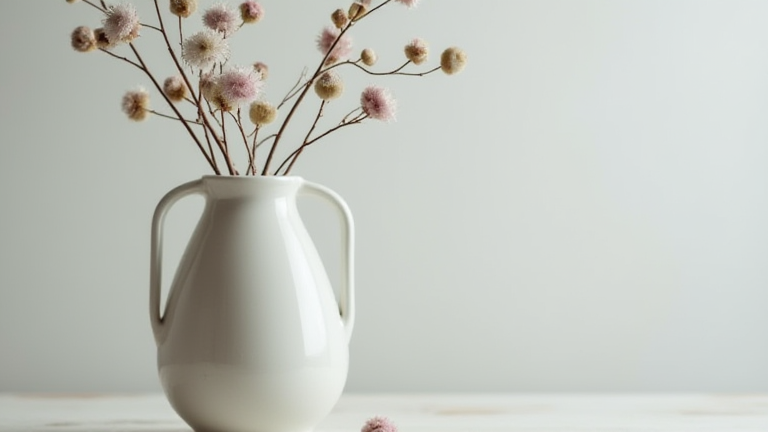
TL;DR: Yes, vintage or improperly glazed porcelain vases can leach lead and other heavy metals into water or air, posing health risks especially to children. To stay safe, use modern, food-safe glazed ceramics for holding liquids and keep antique pieces as display-only decor.
The Hidden Chemistry in Your Decor
Porcelain vases are prized for their delicate beauty, but the science behind their glaze matters more than aesthetics. Traditional porcelain glazes often contain lead oxide, which lowers the melting point and adds a glossy, glass-like finish. While modern commercial manufacturers in the US and EU have largely phased out lead in food-contact ceramics, many imported or antique pieces still use lead-based glazes. When you fill such a vase with water or acidic liquids (like juice or vinegar), the lead can leach into the liquid. Over time, even dry dust from a deteriorating glaze can settle on surfaces, becoming a household contamination risk.
If you want to dig deeper, check out our guide on **Timeless Trends: Why Porcelain Vases Are Modern Decor’s Ne.
How Lead Leaches: The Science of Glaze Stability
Lead is not chemically bound in all glazes equally. A properly fired glaze at high temperatures (above 1,200°C) forms a stable glass matrix, trapping heavy metals. However, low-fired or “raw” glazes—common in folk art, some handmade ceramics, or cheap imports—can remain porous and unstable. Acidic substances accelerate leaching because hydrogen ions break the silica-lead bonds. A 2020 study in Environmental Health Perspectives found that 1 in 4 vintage ceramic vessels tested released lead above the FDA’s safe limit for drinking water. Even if you never put water in a vase, the glaze can chip, creating lead dust that settles on nearby tabletops—a particular hazard for crawling infants who put hands to mouth.
Practical Safety Steps for Vase Lovers
First, test your vases. Home lead test swabs (e.g., from hardware stores) can detect surface lead on glazes, but they are less reliable for deep leaching. For a definitive answer, send a sample to a certified lab (cost: $25–50). Second, adopt the “display-only” rule: never use antique or unknown-source vases for flowers with water, especially if you plan to keep the water near food prep areas. Instead, use modern, labeled “food-safe” stoneware or glass vessels for fresh flowers. Third, if you must use a vintage vase, line the inside with a clear, food-grade epoxy sealant (available at craft stores) to create a barrier—but reapply annually, as sealants degrade.
Lifestyle Tips for a Cleaner Home
Keep porcelain vases on high shelves or in closed cabinets to minimize dust accumulation. Wipe them with a damp cloth weekly, and wash hands after handling antique pieces. If you suspect lead contamination, use a HEPA-filter vacuum on surrounding floors and wash any nearby textiles. For pregnant women and children, avoid vintage ceramic decor in bedrooms and playrooms entirely. Finally, when buying new porcelain, look for “lead-free” or “FDA-compliant” labels, and prefer brands that publish third-party ceramic testing results.
FAQ
Q: Is it safe to put flowers in a vintage porcelain vase if I don’t drink the water?
A: Not necessarily. Water sitting in a lead-glazed vase can absorb lead, and when you pour it out, the water may splash onto your hands or nearby surfaces. Also, the stems and leaves can absorb lead, which then transfers to your hands when you touch them. Always treat vintage vases as display-only.
Q: Can lead from porcelain vases affect air quality?
A: Yes, but only if the glaze is chipping or “crazed” (covered in fine hairline cracks). Chipped glaze releases lead dust into the air, which can settle on floors and be inhaled or ingested. Regularly inspect your vases for cracks and discard or seal any damaged pieces.
Q: Are modern handmade porcelain vases from local artisans safe?
A: Often yes, but not guaranteed. Small-batch kilns
Leave a Reply