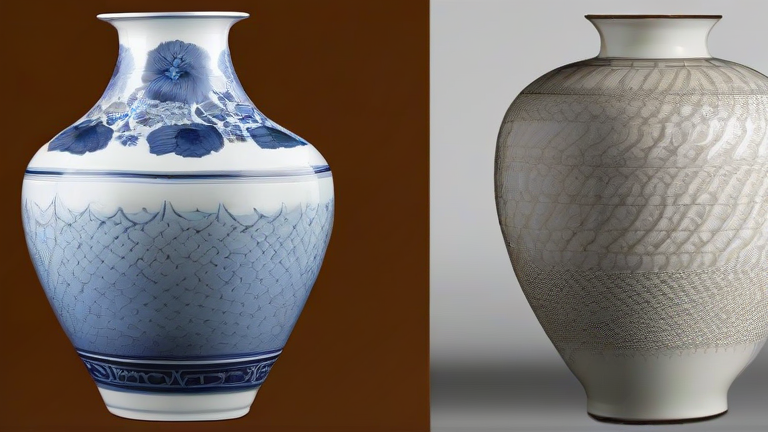
TL;DR: Clean your porcelain vase with mild dish soap and warm water using a soft cloth, never abrasive scrubbers. For restoration, repair chips with two-part epoxy, match the glaze with acrylic paint, and seal with a clear matte finish to prevent future damage.
Step 1: Assess the Damage & Gather Supplies
Before touching the vase, inspect it under bright light. Note cracks, chips, crazing (fine hairline cracks in glaze), or mineral deposits. You will need: microfiber cloths, distilled water, pH-neutral dish soap, soft-bristle toothbrush, bamboo skewers, two-part epoxy (clear), 400-grit sandpaper, acrylic craft paints (matching glaze), fine artist brush, and a spray-on clear matte sealant. Do not use bleach or ammonia—they degrade porcelain glazes.
If you want to dig deeper, check out our guide on 5 Ways Porcelain Vases Elevate Your Home’s Elegant Lifestyle.
Step 2: Gentle Cleaning (The 90% Solution)
Fill a plastic basin with lukewarm distilled water (tap water leaves mineral streaks). Add 3 drops of pH-neutral soap. Submerge the vase for 5 minutes only—prolonged soaking can weaken old repairs. Use the toothbrush dipped in soapy water to scrub crevices and raised decorations with circular motions. For stubborn dirt inside the neck, wrap a bamboo skewer in a damp microfiber cloth and twist gently. Rinse with distilled water, then pat dry with a fresh microfiber cloth. Let air-dry completely for 24 hours before any restoration.
Step 3: Repairing Chips & Cracks
For a chipped rim or body, sand the broken edge with 400-grit sandpaper until smooth, wiping away dust. Mix a pea-sized amount of two-part epoxy on a disposable surface. Using the bamboo skewer, apply a thin layer to the chip, pressing the fragment back if you have it. Hold firmly for 60 seconds, then prop the vase upright with rolled towels to cure for 12 hours. For hairline cracks, work epoxy into the line with the skewer tip, then wipe excess with a damp cloth. Do not skip curing time—rushing causes weak joints.
Step 4: Color Matching & Glaze Touch-Up
Once epoxy is fully hard, sand the repair flush with surrounding glaze. Mix acrylic paints to match the vase’s base color—do three test swatches on a paper plate, let dry, and choose the closest. Apply 2–3 thin coats with the artist brush, waiting 20 minutes between coats. For glossy vases, add a drop of clear gloss medium to the final coat. For matte finishes, apply a matte sealant spray from 12 inches away in a well-ventilated area. Let sealant cure for 48 hours before handling.
Step 5: Preventive Maintenance
Never display porcelain in direct sunlight—UV rays yellow the glaze. Dust weekly with a dry feather duster. For annual deep cleaning, repeat Step 2 only. Avoid using the vase for fresh flowers without a waterproof glass liner; water seepage causes crazing. Store wrapped in acid-free tissue paper, not plastic.
FAQ
Q: Can I use vinegar to remove hard water stains from my porcelain vase?
A: No. Acetic acid etches porcelain glazes, leaving dull spots. Instead, soak a cotton ball in distilled water, place it over the stain for 10 minutes, then wipe with a soft cloth.
Q: My vase has a crack that goes all the way through. Can I still repair it?
A: Yes, but only for display, not water use. Apply epoxy to both sides of the crack, then clamp gently with rubber bands. After curing, reinforce the inside with a thin layer of epoxy using a skewer. Never pour liquid into it again.
Q: How do I know if my vase is antique and worth professional restoration?
A: Look for unglazed foot rims, hand-painted marks, or irregular glaze pooling. If you suspect it’s pre
Leave a Reply