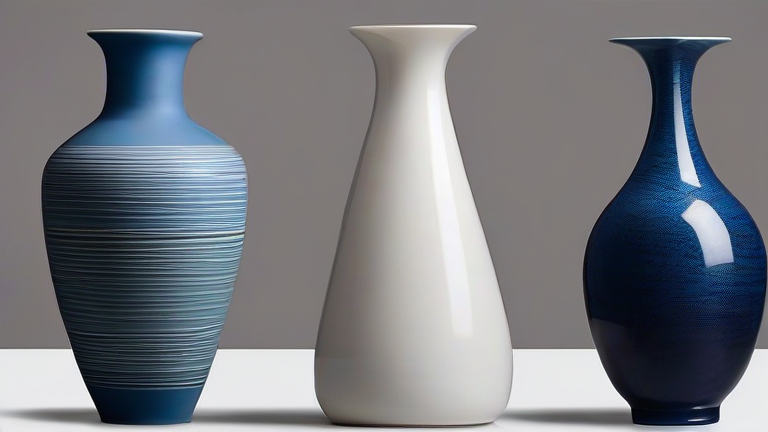
TL;DR: The five timeless porcelain vase styles that elevate any room are the blue-and-white Ming-inspired ginger jar, the minimalist celadon bottle, the organic sculptural form, the Art Deco geometric urn, and the rustic Japanese Hagi-yaki. Each brings a distinct cultural narrative and visual anchor, turning a simple vessel into a conversation piece.
1. The Blue-and-White Ginger Jar: A Global Travelogue
Born in China’s Ming dynasty, this style migrated along the Silk Road and into Dutch delftware, making it the ultimate cultural traveler. Its cobalt floral or landscape motifs add instant heritage to a bookshelf or mantel. Place a single peony stem inside, and you’ve got a low-maintenance nod to trade routes and porcelain history. It works equally well in a coastal cottage or a monochrome loft.
If you want to dig deeper, check out our guide on Why Cold Brew Coffee Is Trending: 5 Reasons You Need to Try .
2. Celadon Bottle: The Quiet Minimalist
Celadon’s pale jade glaze has been prized in Korea and China for a thousand years—not for its pattern, but for its meditative calm. A slender celadon bottle, empty or holding a single branch of quince, brings a spa-like breath to a dining table. It’s the perfect antidote to visual clutter, teaching a lesson in negative space that feels like a slow travel retreat without leaving home.
3. The Organic Sculptural Form: Art Meets Nature
Think irregular, hand-pinched silhouettes inspired by gourds, driftwood, or river stones. These modern pieces—often from Japanese or Scandinavian studios—celebrate imperfection (wabi-sabi). Place one on a console next to a stack of hardcover books. Its asymmetrical profile adds movement and a personal-growth reminder: beauty lives in the unpolished.
4. Art Deco Geometric Urn: A Roaring Twenties Time Capsule
Sharp lines, lacquered blacks, and gold or platinum accents define this style, echoing the glamour of Parisian hotel lobbies and ocean liners. A geometric porcelain urn on a sideboard instantly elevates a neutral room into a jazz-age lounge. Use it as a statement piece—no flowers needed—or fill with dried eucalyptus for a layered textural contrast.
5. Hagi-yaki Rustic Vase: The Japanese Tea Ceremony Spirit
From Japan’s Hagi region, this soft, creamy clay vase features a crackled glaze that deepens with use—like a well-worn travel journal. Its earthy, thumb-pressed rim invites touch. Pair it with a low ikebana arrangement on a dining or entryway table. It’s a daily ritual in mindfulness, anchoring your space in slow, intentional living.
FAQ
Q: What is the best porcelain vase style for a small apartment?
A: Choose the celadon bottle or Hagi-yaki rustic vase—both are compact, visually light, and don’t overwhelm tight corners. Their neutral tones blend with any shelf or windowsill.
Q: Can I mix multiple porcelain vase styles in one room?
A: Yes, but limit to two or three styles with a shared color palette (e.g., all whites and blues, or all earth tones). Group them at varying heights on a tray to create a curated, gallery-like vignette.
Q: How do I care for a collectible porcelain vase without damaging it?
A: Dust with a soft, dry microfiber cloth weekly. For deeper cleaning, use lukewarm water and a drop of mild dish soap—never abrasive scrubbers. Keep away from direct sunlight to prevent glaze fading, and always handle by the base, not the rim.
Leave a Reply