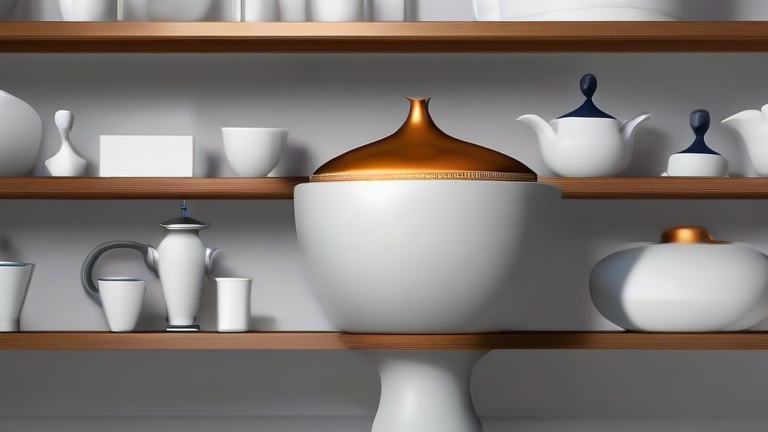
TL;DR: To master porcelain vase care, handle pieces with clean, dry hands to prevent oil stains and accidental drops. Regularly dust with a soft, lint-free microfiber cloth and avoid harsh chemical cleaners that can etch the delicate glaze surface.
Understanding Porcelain Vase Maintenance
Porcelain vases are exquisite decorative items known for their strength and translucency. However, their delicate nature requires specific handling to maintain their aesthetic appeal over time. Unlike ceramic or stoneware, porcelain is fired at higher temperatures, making it less porous but more susceptible to thermal shock and physical impact. Proper maintenance ensures that your investment remains pristine for generations. Understanding the material’s unique properties is the first step in creating a sustainable care routine that preserves both the structural integrity and the visual beauty of the vase.
If you want to dig deeper, check out our guide on Elevate Your Home: 10 Stylish Porcelain Vase Decor Ideas.
Step-by-Step Cleaning Instructions
Begin by removing any dust or debris using a dry, soft microfiber cloth. Gently wipe the exterior and interior surfaces, paying special attention to the rim and base where dirt often accumulates. If the vase contains dried water spots or mild stains, use a bowl of lukewarm water mixed with a few drops of gentle dish soap. Soak a soft sponge in the solution, wring it out thoroughly, and gently scrub the affected areas. Avoid using abrasive scrubbers or rough towels, as these can leave microscopic scratches on the glaze. Rinse the vase with clean water to remove any soap residue, ensuring no film remains. Finally, dry the piece completely with a lint-free towel to prevent new water spots from forming. Allow the vase to air dry completely before placing it back on display.
Essential Handling and Storage Tips
Always handle porcelain vases with both hands to distribute weight evenly and prevent tipping. Keep your hands clean and dry, as natural oils from skin can leave permanent marks on the glossy surface. When moving a vase, avoid dragging it across surfaces; lift it completely to prevent friction damage. Store vases in a stable location away from direct sunlight, which can cause fading or thermal stress. If you must stack vases for storage, place a soft cloth or foam padding between each item to protect the rims and bases. Avoid placing hot objects directly on the vase, as rapid temperature changes can cause cracking.
Long-Term Preservation Strategies
To maintain the vibrancy of colored or painted porcelain, keep the item away from high-humidity environments like bathrooms or kitchens. Humidity can weaken adhesive elements if the vase has applied decorations. Periodically inspect the vase for hairline cracks or chips. If you notice minor damage, consult a professional conservator before attempting any repairs. Using a clear, anti-static spray designed for fine art can help repel dust and reduce the frequency of cleaning required. By implementing these preventive measures, you ensure that your porcelain vase remains a stunning focal point in your home decor for many years.
FAQ
Q: Can I use vinegar to clean my porcelain vase?
A: No, vinegar is acidic and can etch or dull the glaze over time, so stick to mild soap and water.
Q: How do I remove stubborn dried floral stems from inside?
A: Soak the vase in warm water for several hours to soften the stems, then gently twist them out with pliers.
Q: Is it safe to wash a porcelain vase in the dishwasher?
A: It is generally not recommended because high heat and harsh detergents can damage the glaze or cause thermal shock.
Leave a Reply