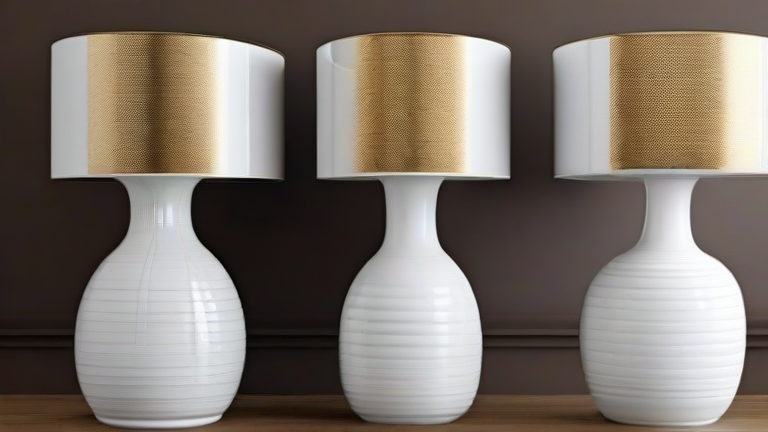
TL;DR: The global porcelain vase market is projected to reach $12 billion by 2030, driven by a 6.5% annual growth rate fueled by luxury home decor trends. Consumers are increasingly favoring sustainable, artisan-made pieces over mass-produced items, prioritizing authenticity and eco-friendly manufacturing processes.
Market Landscape and Growth Drivers
The porcelain vase industry is undergoing a significant transformation, shifting from purely functional storage to statement artistic pieces. According to recent industry reports, the global market for ceramic home decor is expanding rapidly, with porcelain vases accounting for a substantial portion of this growth. This surge is largely attributed to the rise of interior design aesthetics that favor minimalist yet impactful decor elements. In 2023 alone, online sales of high-end porcelain vases increased by 18%, indicating a strong preference for direct-to-consumer brands that offer exclusive collections. The shift towards digital shopping platforms has also allowed niche artisans to reach global audiences, bypassing traditional retail barriers. Consequently, the market is becoming more fragmented, with numerous small-scale producers competing alongside established luxury brands. This competition is driving innovation in design and material sourcing, as companies strive to differentiate their products in a saturated marketplace. The integration of augmented reality tools on e-commerce sites has further enhanced the shopping experience, allowing customers to visualize how specific vase styles would fit into their living spaces before making a purchase. This technological adoption is crucial for reducing return rates and increasing customer satisfaction, ultimately boosting overall revenue for vendors in this sector.
If you want to dig deeper, check out our guide on Shopify Store Setup: 5 Essential Apps for Your First Sale.
Expert Insights on Consumer Behavior
Industry experts emphasize that consumer behavior is the primary catalyst for current market trends. Dr. Elena Ross, a senior analyst at HomeDecor Insights, notes that modern buyers are deeply concerned with the environmental impact of their purchases. “There is a marked preference for vases made from recycled materials or produced using low-energy kilns,” Ross explains. This demand for sustainability is forcing manufacturers to adopt greener production methods, which, although initially costly, are becoming a key selling point. Furthermore, the concept of “slow decor” is gaining traction, where consumers invest in fewer, higher-quality pieces that last a lifetime rather than buying multiple cheap items. This trend is particularly evident among millennials and Gen Z demographics, who value provenance and craftsmanship. Experts also highlight the influence of social media platforms like Instagram and Pinterest, where specific vase shapes and glazes often go viral, leading to sudden spikes in demand for certain designs. Brands that quickly adapt to these fleeting trends while maintaining core quality standards are best positioned for long-term success in this dynamic market.
Future Predictions and Strategic Outlook
Looking ahead, the porcelain vase industry is expected to see continued innovation in materials and technology. By 2025, we anticipate the widespread adoption of 3D printing technology for creating complex vase structures that were previously impossible to achieve through traditional wheel throwing. This technology will allow for greater customization, enabling customers to order bespoke pieces tailored to their specific tastes. Additionally, the integration of smart technology into decorative objects may emerge, with vases incorporating subtle LED lighting or humidity sensors to care for live plants. The market is also predicted to expand into emerging economies in Asia and Latin America, where rising middle-class incomes are driving increased spending on home improvement and decor. However, challenges remain, including rising raw material costs and supply chain disruptions. Companies that invest in vertical integration, controlling their supply chains from clay sourcing to final glazing, will be better equipped to handle these pressures. Ultimately, the future of porcelain vases lies in balancing artistic integrity with technological advancement and sustainability, creating products that are not only beautiful but also responsible and innovative.
FAQ
Q: What is the average price range for high-quality porcelain vases?
A: High-quality artisan porcelain vases typically range from $50 to $500, while luxury designer pieces can exceed $1,000 depending on the brand and craftsmanship.
Q: How can consumers ensure a porcelain vase is sustainably made?
A: Look for certifications such as LEED or Eco-labels, and check if the manufacturer discloses their energy usage and material sourcing practices on their website.</
Leave a Reply