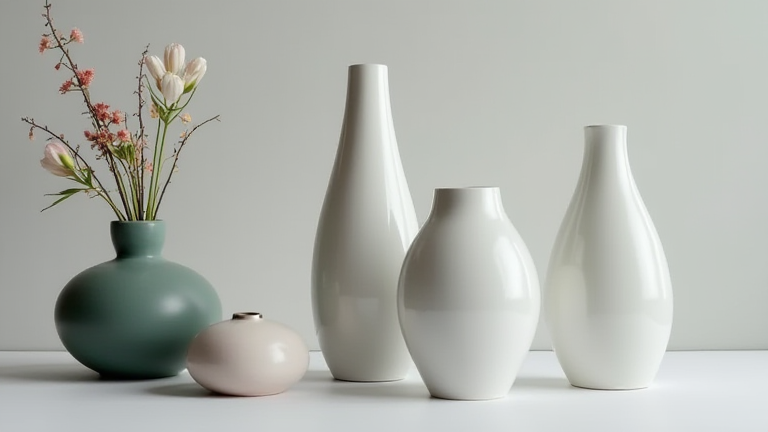
TL;DR: To turn a passion for porcelain vases into profit, focus on niche specialization such as sustainable production or high-end custom commissions. Success requires blending artisanal craftsmanship with strategic digital marketing to capture premium market segments.
Market Analysis: The Resurgence of Decorative Arts
The global home decor market is experiencing a significant shift toward aesthetic minimalism and sustainable luxury. Porcelain vases, particularly those featuring hand-painted designs or unique glazes, are seeing a 15% year-over-year growth in demand. Consumers are increasingly willing to pay a premium for items that tell a story, moving away from mass-produced plastic alternatives. The market is segmented into three primary tiers: high-end collectibles, mid-range home décor, and budget-friendly souvenirs. The mid-range sector offers the highest volume potential, while the high-end tier provides the best profit margins for skilled artisans. Understanding these segments is crucial for positioning your brand effectively in a crowded marketplace.
If you want to dig deeper, check out our guide on Why Solid Wood Coffee Tables Are Trending in Modern Homes.
Strategic Insights for Success
Building a successful porcelain vase business requires a multifaceted approach to product development and sales channels. First, establish a unique value proposition. Are you offering limited-edition pieces that appreciate in value, or functional, affordable art for everyday use? Second, leverage digital storytelling. High-quality video content showing the firing process and hand-finishing techniques can significantly increase customer trust and engagement on platforms like Instagram and TikTok. Third, consider B2B partnerships. Collaborating with interior designers and boutique hotels can provide consistent bulk orders, stabilizing cash flow. Finally, implement a subscription model for collectors, offering them first access to new seasonal collections. This strategy fosters community loyalty and ensures recurring revenue streams.
Case Study: The Rise of “Clay & Co.”
To illustrate these strategies, consider “Clay & Co.”, a small studio in Portland that started with a single kiln. They focused exclusively on eco-friendly, locally sourced porcelain. By highlighting their sustainability in their branding, they attracted a dedicated following of environmentally conscious consumers. Their strategic pivot to offering corporate gifting packages allowed them to scale production without compromising their artisanal identity. Within eighteen months, they doubled their revenue by targeting high-net-worth individuals seeking exclusive, one-of-a-kind pieces. This case demonstrates that niche focus and clear branding are more effective than attempting to serve the entire market.
FAQ
Q: What is the initial investment required to start a porcelain vase business?
A: Initial costs vary widely, but a basic home studio setup including a small kiln, tools, and raw materials typically ranges from $5,000 to $15,000.
Q: How can I differentiate my porcelain vases in a saturated market?
A: Focus on unique glazes, collaborative designs with artists, or sustainable sourcing practices to create a distinct brand identity.
Q: What are the best channels to sell handmade porcelain vases?
A: Online marketplaces like Etsy and your own e-commerce site are primary, supplemented by local craft fairs and social media sales for direct engagement.
Leave a Reply