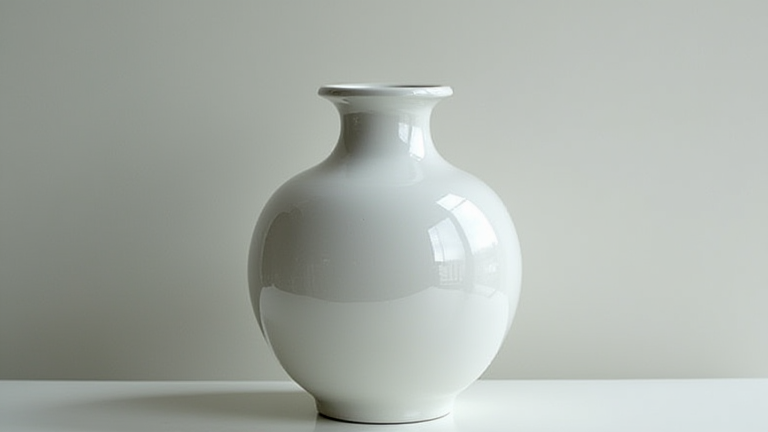
TL;DR: Porcelain vases pose minimal health risks if they are from reputable manufacturers and have a stable, lead-free glaze, but vintage or imported items may leach toxic heavy metals into stored liquids or food. To ensure safety, always test older ceramics for lead content and avoid using them for food or beverage storage, reserving them strictly for decorative purposes.
The Hidden Dangers in Ceramic Glazes
Porcelain is renowned for its elegance, durability, and aesthetic appeal, making it a staple in modern home decor. However, beneath the glossy surface lies a complex chemistry that can sometimes pose significant health hazards. The primary concern with porcelain vases, particularly those found in antique markets or imported from regions with lax regulatory standards, is the presence of lead and cadmium in the glazes. Lead has been used historically to make glazes flow smoothly and create a vibrant, glossy finish. While the porcelain body itself is inert and safe, the glaze is where the danger resides. If the glaze is not properly fired or is chemically unstable, it can leach lead ions into anything that comes into contact with it. This is a critical distinction: the risk is not in the clay itself, but in the decorative coating applied to it.
If you want to dig deeper, check out our guide on Why Porcelain Vases Are a Timeless Business Opportunity.
Understanding Heavy Metal Exposure
Exposure to lead, even in small amounts, can have severe neurological and developmental effects, particularly in children and pregnant women. Symptoms of low-level lead exposure are often subtle and can include fatigue, abdominal pain, and cognitive difficulties. Cadmium, another heavy metal sometimes found in ceramic glazes, poses risks to the kidneys and lungs. It is crucial to understand that while modern industrial porcelain produced in countries with strict safety regulations, such as the United States, the European Union, and Japan, is generally safe, this is not a universal guarantee. Vintage vases, those purchased from tourist markets, or items from manufacturers with no certification may contain hazardous levels of lead. The risk increases if the vase is used to hold acidic substances, such as water that has been in contact with citrus or if it is used to store food, as acid accelerates the leaching process.
Practical Safety Tips and Lifestyle Adjustments
To mitigate these risks, adopt a cautious approach when handling and displaying porcelain vases. First, prioritize provenance. Buy new porcelain from established brands that explicitly state their products are lead-free and cadmium-free. If you have inherited or purchased vintage vases, consider sending a sample of the glaze to a certified laboratory for heavy metal testing. Services like the National Lead Information Center provide guidance on testing methods. Second, enforce a strict “decor only” policy. Never use a porcelain vase to store drinking water, fruit, or any edible items. If the interior of the vase is glazed and shows signs of wear, chipping, or crazing (fine cracks), the risk of leaching increases significantly. In such cases, it is safer to avoid placing any liquids inside.
Maintenance and Cleaning Best Practices
Regular maintenance can also reduce potential exposure. Clean your vases with mild soap and warm water, avoiding abrasive scrubbers that might damage the glaze surface. If you suspect a vase is unsafe, do not discard it immediately; instead, repurpose it. Use it to hold dry decorative items like dried flowers, stones, or candles. This allows you to enjoy the aesthetic value of the porcelain without the health risks associated with liquid contact. Additionally, keep vases out of reach of young children, who may be more likely to put objects in their mouths or knock them over, potentially ingesting small shards of lead-glazed ceramic. By staying informed and taking proactive steps, you can enjoy the beauty of porcelain in your home while maintaining a healthy, safe environment.
FAQ
Q: Are all porcelain vases safe to use?
A: No, not all porcelain vases are safe. Modern, certified porcelain from reputable manufacturers is generally safe, but vintage, antique, or imported items may contain lead or cadmium in their glazes, posing health risks if used for food or beverages.
Q: How can I test
Leave a Reply