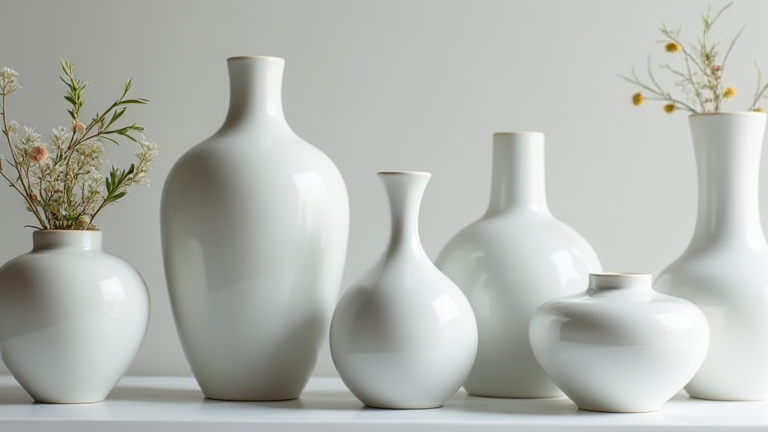
TL;DR: Porcelain vases themselves are inert and safe, but the real health risks arise from lead glazes in low-quality imports and bacterial growth in stagnant water. To ensure your well-being, choose certified lead-free ceramics and maintain a strict schedule for cleaning and water changes to prevent mold and toxin exposure.
Understanding the Material Safety
Porcelain is a high-fire ceramic material known for its density and non-porous nature. Unlike lower-quality earthenware, genuine porcelain does not absorb water or harbor bacteria within its structure. However, the aesthetic appeal of porcelain often comes from glazes and painted finishes. Some traditional glazes, particularly those found in inexpensive decorative imports, may contain lead or cadmium to achieve vibrant colors or a glassy finish. According to the U.S. Consumer Product Safety Commission, lead exposure can lead to serious health issues, including developmental delays in children and neurological problems in adults. It is crucial to verify that your vases are labeled as “lead-free” or meet FDA food-contact safety standards, even if you do not intend to use them for storage. If a vase was produced in a region with less rigorous manufacturing oversight, it might release trace amounts of heavy metals into your environment over time. Always wash new vases thoroughly before use and avoid placing them near food preparation areas to minimize any potential risk of cross-contamination.
If you want to dig deeper, check out our guide on How to Fix Common Errors in Python Scripts.
Hygiene and Mold Prevention
The primary wellness concern associated with flower vases is not the ceramic itself, but the water they hold. Stagnant water is a perfect breeding ground for bacteria, algae, and mold spores. When you place fresh flowers in a vase, the plant material releases sugars and organic matter into the water. This nutrient-rich environment accelerates microbial growth. Within just twenty-four to forty-eight hours, a vase can become a hotspot for pathogens if not properly maintained. Mold spores can become airborne when the water is disturbed or when the vase is cleaned, potentially triggering allergies or respiratory issues in sensitive individuals. To mitigate this risk, change the water in your vase every two days. Remove any wilted petals or leaves that fall into the water, as these decompose rapidly and fuel bacterial growth. Furthermore, ensure the vase is completely dry before storing it. A damp interior creates a microclimate that encourages mold colonization on the inner walls. Use a mild soap solution for weekly deep cleans, but avoid harsh chemicals that might damage the glaze or leave residues that affect water clarity and smell.
Safe Handling and Lifestyle Tips
Incorporating porcelain vases into your home decor can enhance your mental well-being by adding beauty and tranquility to your space. However, safety must remain a priority. Keep breakable items out of reach of young children and pets to prevent accidental drops, which could lead to physical injury or exposure to broken glass. If you collect antique vases, be particularly cautious. Older pieces are more likely to contain leaded glazes. Do not use antiques for holding liquids unless you have had them tested by a professional laboratory. For modern decor, consider using vases with a matte finish, as these are less likely to contain high levels of metallic additives compared to glossy, brightly colored glazes. Regularly inspect your vases for chips or cracks in the glaze. Damaged areas can harbor dirt and bacteria that are difficult to remove, posing a hygiene risk. By adhering to these simple maintenance routines and sourcing your ceramics from reputable manufacturers, you can enjoy the aesthetic benefits of porcelain vases without compromising your health. A clean, safe home environment is the foundation of true wellness, ensuring that your decorative choices contribute positively to your daily life rather than posing hidden threats to your family’s well-being.
FAQ
Q: Are all porcelain vases lead-free?
A: No, not all porcelain vases are lead-free. While the clay body is safe, the glazes used for decoration may contain lead, especially in older or low-cost imported items. Always look for certifications indicating compliance with safety standards.
Q: How often should I clean my flower vase?
A: You should change the water in your vase every two days and perform a deep clean with mild soap
Leave a Reply