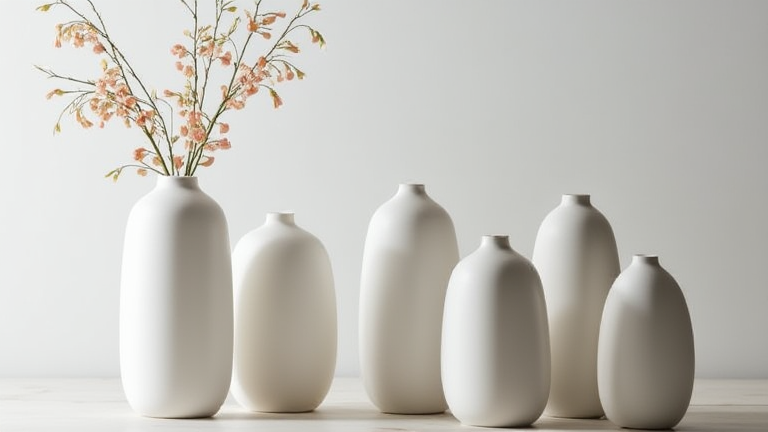
Elevate Your Home: 10 Timeless Porcelain Vase Styling Ideas
TL;DR: Transform your living space by using porcelain vases as sculptural anchors that balance negative space and add refined texture. These versatile pieces serve as both functional containers for fresh florals and standalone art objects that curate a sophisticated, timeless aesthetic.
The Art of the Empty Vessel
Porcelain possesses a unique quality that few other materials can replicate: a luminous, delicate strength. Unlike heavy ceramic or opaque stoneware, porcelain allows light to dance across its surface, creating a sense of airiness that is essential for modern interior design. The first step in styling these vases is understanding that they do not need to be filled to be impactful. A single, pristine white vase on a dark walnut sideboard can serve as a powerful focal point, drawing the eye without demanding attention. This minimalist approach aligns with the cultural trend of “wabi-sabi,” where beauty is found in imperfection and simplicity. By leaving the vessel empty, you invite the viewer to appreciate the craftsmanship of the glaze and the precision of the form. It is a personal growth exercise in restraint, teaching us that less often is indeed more when it comes to home curation.
If you want to dig deeper, check out our guide on Why Quiet Luxury Leather Totes Are Replacing Fast Fashion.
Play with Scale and Negative Space
When arranging your collection, consider the concept of negative space. Do not clutter every shelf or surface. Instead, group vases in odd numbers, such as three or five, to create a dynamic visual rhythm. Vary the heights significantly; place a tall, slender cylinder next to a short, wide bowl to create tension and interest. This technique borrows from culinary plating, where the arrangement of elements on a plate determines the overall aesthetic appeal. By treating your home like a canvas, you allow the porcelain to breathe. This approach also reflects a broader lifestyle shift towards mindful living, where we curate only what serves a purpose or brings genuine joy. The contrast between the smooth, cool touch of porcelain and the warm, organic texture of wood or linen creates a sensory experience that grounds the room in comfort and elegance.
Integrating Culture and Travel
Porcelain has a rich history that spans continents, from the imperial kilns of China to the refined workshops of Europe. Incorporating vases from different cultural backgrounds can tell a story of travel and exploration. A blue-and-white patterned vase might evoke memories of a trip to the East, while a minimalist Scandinavian design could reference a retreat to the Nordic countries. Use these pieces as conversation starters, placing them in areas where guests naturally gather, such as the entryway or the dining table. This cultural layering adds depth to your home, transforming it from a mere shelter into a repository of experiences and memories. It encourages a personal growth journey of appreciation for global craftsmanship and the diverse ways in which artistry is expressed across borders.
Seasonal Adaptability and Fresh Florals
One of the greatest advantages of porcelain is its adaptability to seasonal changes. In spring, pair a clear or white vase with delicate cherry blossoms to enhance the feeling of renewal. In winter, use a bold, colored vase to hold sturdy branches like pine or eucalyptus, adding a touch of nature to the cozy indoor environment. The food and lifestyle angle here is subtle but present; much like a well-set table, the right floral arrangement can elevate the mood of a room. Whether you are hosting a dinner party or simply enjoying a quiet morning with coffee, the presence of fresh flowers in a beautiful vessel signals care and intention. It is a small daily ritual that connects you to the natural world, reminding you of the cycles of life and beauty that exist outside your four walls.
Lighting and Reflection
Finally, do not underestimate the power of lighting in highlighting your porcelain. Natural light is ideal, as it enhances the translucency of the material. However, in the evening, use warm, low-intensity lamps to cast soft shadows and highlight the contours of the vase. Avoid harsh overhead lighting, which can create unflattering reflections and wash out the delicate details of the glaze. Proper lighting ensures that your
Leave a Reply