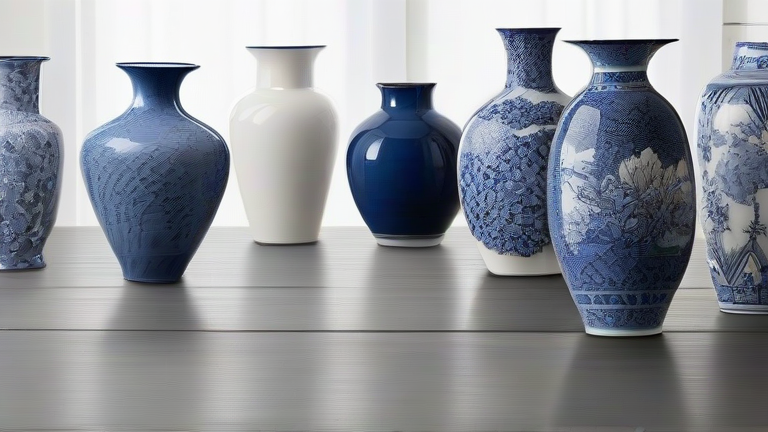
TL;DR: The perfect porcelain vase depends on your space—tall, slender “trumpet” styles suit minimalist entryways, while bulbous “ginger jar” shapes anchor traditional shelves. For modern interiors, choose matte-glaze cylindrical vases; for classic elegance, opt for hand-painted blue-and-white or celadon crackle finishes.
Why Porcelain Vases Are a Timeless Investment
Porcelain vases are not just containers—they are sculptural anchors that elevate a room’s visual rhythm. Fired at high temperatures, they offer a glass-like, non-porous surface that resists water rings and fading, making them superior to ceramic or earthenware. When choosing, consider three core variables: silhouette, glaze, and scale. A 12-inch trumpet vase draws the eye upward, perfect for tall dried branches, while a 6-inch round “ball” vase suits low, lush bouquets. Do not overlook the base—a weighted, flat foot prevents tipping, a common flaw in cheaper imports.
If you want to dig deeper, check out our guide on Tech for Porcelain Vases: Best Care, Display & Restoration.
Feature Highlights: The Five Dominant Styles
1. The Ginger Jar (Bulbous, Short Neck)
With a rounded body and a narrow mouth, this classic pairs with peonies or simple greenery. Its wide belly offers stability, and hand-painted cobalt patterns (like the iconic “Willow” motif) add heritage. Best for: bookshelves, side tables, or as a standalone pair.
2. The Trumpet or “Flute” Vase (Tall, Flared Rim)
A dramatic vertical line that mimics a trumpet’s bell. Ideal for single-stem statement flowers like calla lilies or elegant pampas grass. Choose a matte white or charcoal glaze to avoid competing with the stems. Best for: entryway consoles, fireplace mantels.
3. The Cylinder or “Temple” Vase (Straight, Uniform)
A minimalist’s dream—clean, unadorned, and often with a textured glaze like sand or bamboo groves. These vases work as repetitive groups (three varying heights) or alone with a tight cluster of hydrangeas. Best for: modern kitchens, office desks.
4. The Bud Vase (Miniature, 4–7 inches)
Small but mighty, these are designed for a single bud or a sprig of eucalyptus. Often sold in sets of three, they allow playful color-blocking on a windowsill. Best for: bathroom ledges, nightstands.
5. The Gourd or “Calabash” (Squat, Curved Waist)
Inspired by natural bottle gourds, these have an asymmetric curve that suggests movement. They excel with trailing vines like ivy or jasmine. A crackle glaze (looks like aged ice) adds tactile interest. Best for: rustic or Japandi interiors.
Comparative Guide: Glaze and Finish
Glossy glazes reflect light and feel luxurious but show fingerprints; matte glazes hide smudges but can appear chalky under warm bulbs. Celadon (a pale jade-green) is a safe mid-tone that complements both wood and metal. High-fired “oxblood” red or deep midnight blue makes a bold focal point, but avoid these in small rooms—they shrink visual space. For durability, always check for “high-fired” (above 1200°C) in the description; this ensures chip resistance.
How to Choose the Right Size and Placement
As a rule, the vase height should be one-third to one-half the height of its display surface. A 10-inch vase on a 30-inch console feels balanced; a 14-inch vase on the same surface overwhelms. For floor vases, choose 20 inches or taller, and ensure the opening is at least 3 inches wide to accommodate stems without cramping.
Call-to-Action: Make Your Choice Today
Ready to upgrade
Leave a Reply