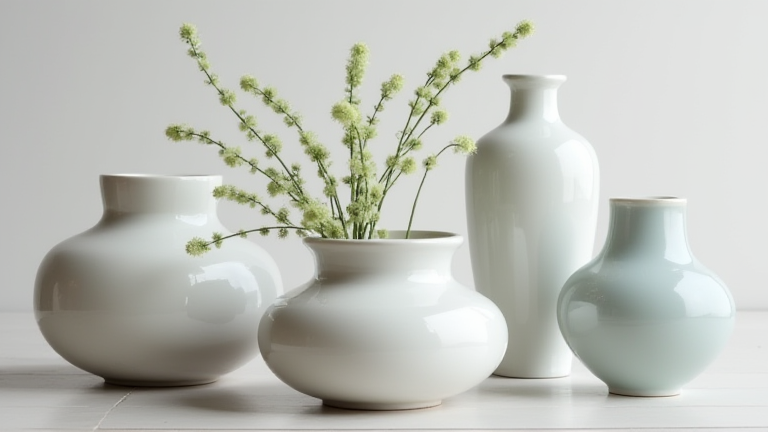
TL;DR: Clean porcelain vases with mild dish soap, warm water, and soft cloths—never abrasive scrubbers or harsh chemicals—and display them away from direct sunlight and high-traffic edges. For stubborn stains, use a diluted vinegar solution or a dedicated porcelain-safe cleaner, then dry immediately to prevent water spots.
Step 1: Gather Your Cleaning Supplies
Before touching your vase, assemble the right tools: a soft microfiber cloth, a gentle dish soap (pH-neutral), a soft-bristled baby toothbrush or artist’s brush for crevices, distilled white vinegar, and cotton swabs. Avoid steel wool, scouring pads, or any abrasive powder—these will permanently scratch the glaze. For antique or hand-painted porcelain, skip vinegar and use only soapy water.
If you want to dig deeper, check out our guide on Top 10 Tech Innovations in Porcelain Vase Manufacturing.
Step 2: Dust First, Then Wash
Use a dry, soft brush or a feather duster to remove loose dust from the exterior and interior rim. This prevents gritty particles from scratching the surface during wet cleaning. If the vase has a narrow neck, wrap a damp cloth around a chopstick and twist gently inside to lift dust—never stick your hand in if the opening is small.
Step 3: Hand-Wash in Warm, Soapy Water
Fill a plastic or ceramic basin (never metal—it can react) with lukewarm water and a few drops of mild dish soap. Submerge the vase fully, or if it’s too tall, wash in sections using a soaked cloth. Use the baby toothbrush to gently clean raised patterns, handles, or filigree. Rinse thoroughly with clean, lukewarm water—soap residue dulls the glaze. Never use hot water; sudden temperature changes can cause crazing (tiny cracks).
Step 4: Tackle Stubborn Stains & Mineral Deposits
For white or hard water rings inside the vase, fill with a 1:3 vinegar-to-water solution and let sit for 30 minutes. Swirl, then pour out and rinse. For coffee or tea stains, make a paste of baking soda and water, apply with a soft cloth, and rub gently in circles—rinse immediately. Do not soak painted or gilded vases in vinegar; instead, use a cotton swab dipped in soapy water and blot stains.
Step 5: Dry and Polish Immediately
Water spots are the enemy. After rinsing, pat the vase dry with a clean, lint-free microfiber towel. For interior moisture, use a hairdryer on the cool setting, aiming into the opening for 60 seconds. Then, buff the exterior with a dry cloth to restore natural luster. Never air-dry porcelain—minerals in tap water will leave chalky residues.
Step 6: Display with Care
Choose a stable shelf or cabinet away from direct sunlight, which fades painted designs and can yellow clear glazes. Keep at least 2 inches of clearance from heat sources (radiators, vents). For tall vases, ensure the base is wider than the neck to prevent tipping. If displaying fresh flowers, use a separate plastic liner inside the vase—water and plant sap can seep into porous unglazed bases. For empty vases, place a silica gel packet inside to absorb humidity and prevent mildew.
Step 7: Routine Maintenance
Dust your porcelain vases weekly with a soft brush. Wash them fully every 3–4 months, or immediately after any liquid spill. For vases with metallic trim (gold or platinum), never use vinegar—use only water and a micro-damp cloth. Store seasonal vases wrapped in acid-free tissue paper, not newspaper (ink transfers).
FAQ
Q: Can I put my porcelain vase in the dishwasher?
A: No, never. Dishwasher detergents contain harsh alkalis and high heat that can craze the glaze, fade hand-painted details, and weaken gold or platinum trim. Always hand-wash.
<p
Leave a Reply