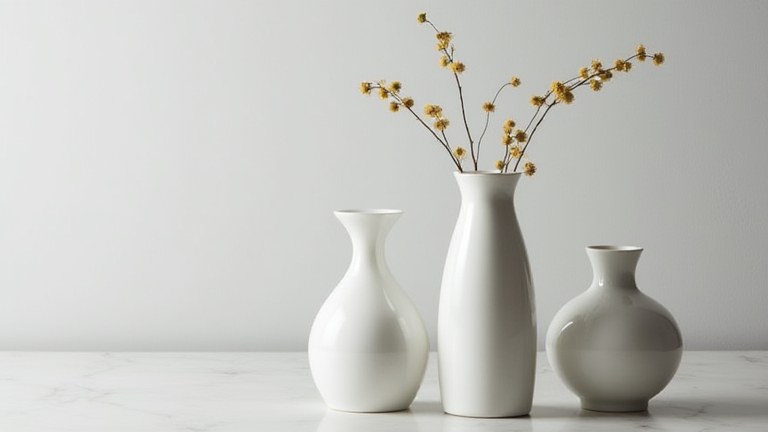
TL;DR: Clean porcelain vases by hand with warm water, mild dish soap, and a soft cloth, avoiding abrasive scrubbers and harsh chemicals. For long-term care, dust weekly, keep them out of direct sunlight, and always support the base when lifting to prevent cracks.
Step 1: Empty and Assess the Vase
Before any cleaning, remove all flowers, water, or decorative fillers. Turn the vase upside down over a sink to drain residual moisture. Inspect the interior and exterior for cracks, chips, or crazing (fine hairline cracks in the glaze). If you find significant damage, do not submerge the vase in water—instead, wipe the exterior only with a barely damp cloth and consult a professional conservator for deep cleaning.
If you want to dig deeper, check out our guide on Tech for Porcelain Vases: Smart Lighting & 3D Printing.
Step 2: Dust and Dry-Brush First
Use a soft, dry microfiber cloth or a large, clean makeup brush to gently remove loose dust and dirt from the surface, including the rim and foot. For intricate relief patterns or narrow necks, use a dry cotton swab or a soft-bristled toothbrush (never metal). Dusting before wet cleaning prevents gritty particles from scratching the glaze during washing.
Step 3: Hand-Wash with Mild Soap
Fill a plastic or ceramic basin (never a metal sink) with lukewarm water—not hot, as rapid temperature changes can crack porcelain. Add 2–3 drops of clear, unscented dish soap. Submerge a soft sponge or a lint-free cloth in the solution, wring it out until damp, and wipe the vase’s exterior in circular motions. For the inside, use a long-handled bottle brush wrapped in a soft cloth to avoid scratching. Do not soak the vase for more than 2 minutes.
Step 4: Rinse and Dry Immediately
Rinse the sponge or cloth in clean, lukewarm water and wipe away all soap residue from the vase. Then, using a separate dry, soft towel, pat the surface dry immediately. Never air-dry porcelain, as water spots and mineral deposits can etch the glaze. For stubborn water marks, dab with a 50/50 solution of distilled white vinegar and water, then rinse thoroughly. Do not use bleach, ammonia, or abrasive powders.
Step 5: Handle Stubborn Stains and Odors
For dried flower residue or tea stains inside the vase, fill it with warm water and drop in one denture-cleaning tablet (unflavored). Let it fizz for 15 minutes, then rinse. For lingering odors, add 2 tablespoons of baking soda to warm water, swish gently, and rinse. Never scrub with steel wool or scouring pads. If a stain remains, repeat the tablet method rather than increasing force.
Step 6: Polish and Store Correctly
Once dry, buff the exterior with a soft, dry cotton cloth to restore sheen. Do not use furniture polish or wax on porcelain, as these leave a sticky film. Store vases upright on a felt-lined shelf, away from edges. If stacking, place a soft cloth between each vase. Always lift by the body—never by the neck or rim—and support the base with your other hand.
Ongoing Care Tips
Dust your porcelain vases weekly with a feather duster or dry cloth to prevent buildup. Avoid displaying them in direct sunlight, which can fade painted decorations, and keep them away from heating vents or fireplaces, as rapid temperature shifts cause crazing. When changing water in fresh-flower arrangements, rinse the vase with warm water every two days to prevent algae and bacterial film.
FAQ
Q: Can I put a porcelain vase in the dishwasher?
A: No. Dishwasher detergents and high heat can dull the glaze, fade hand-painted designs, and weaken the porcelain structure. Always hand-wash as described above.
Q: How do I remove yellow stains from the inside of a white porcelain vase?</
Leave a Reply